seasonal-marketing

Seasonal Marketing

1 article to help your business succeed

Seasonal marketing capitalises on the natural rhythm of holidays, events, weather changes, and cultural moments to create timely, relevant campaigns that resonate with customers. For UK businesses, the calendar offers numerous opportunities — from January wellness trends and Valentine's Day through to summer events, back-to-school periods, Halloween, Bonfire Night, and the crucial Christmas trading period. These guides cover planning a seasonal marketing calendar, creating campaigns that feel authentic rather than forced, and measuring the impact of seasonal promotions on revenue and brand awareness.

💡Quick Tips for Seasonal Marketing

  • Plan seasonal campaigns at least 6-8 weeks in advance — last-minute promotions feel rushed and miss early-bird customers
  • Build a 12-month seasonal marketing calendar at the start of each year, blocking key dates and campaign themes
  • Adapt your messaging to the season but stay authentic to your brand — forced seasonal content feels insincere
  • Review last year's seasonal performance data before planning this year's campaigns to repeat what worked and avoid what didn't

Featured Article

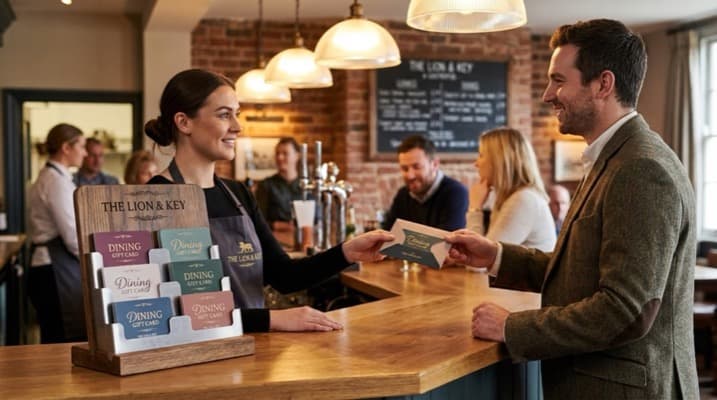
A restaurant owner displaying branded gift cards at the counter alongside a digital gift card on a tablet screen
01/03/202614 min read

Restaurant Gift Card Marketing: Strategy & ROI Guide

You're tweaking your menu and running promotions, but those vouchers behind the till are collecting dust. Restaurant gift card marketing turns a passive product into an active acquisition channel that...

Read article

Related Topics

Frequently Asked Questions

Which seasonal events drive the most revenue for UK businesses?

Christmas (November-December) is typically the biggest period, followed by Valentine's Day, Mother's Day, Easter, and Father's Day. Summer bank holidays and the back-to-school period are also significant. For restaurants specifically, Mother's Day is often the busiest single day of the year.

How far in advance should I plan seasonal marketing?

Major campaigns (Christmas, Valentine's Day) should be planned 8-12 weeks ahead. Smaller seasonal moments (bank holidays, awareness weeks) need 4-6 weeks. Social media content can be planned 2-4 weeks ahead. Having a year-round calendar prevents the scramble of last-minute planning.

Explore more topics to grow your business

Browse All Articles