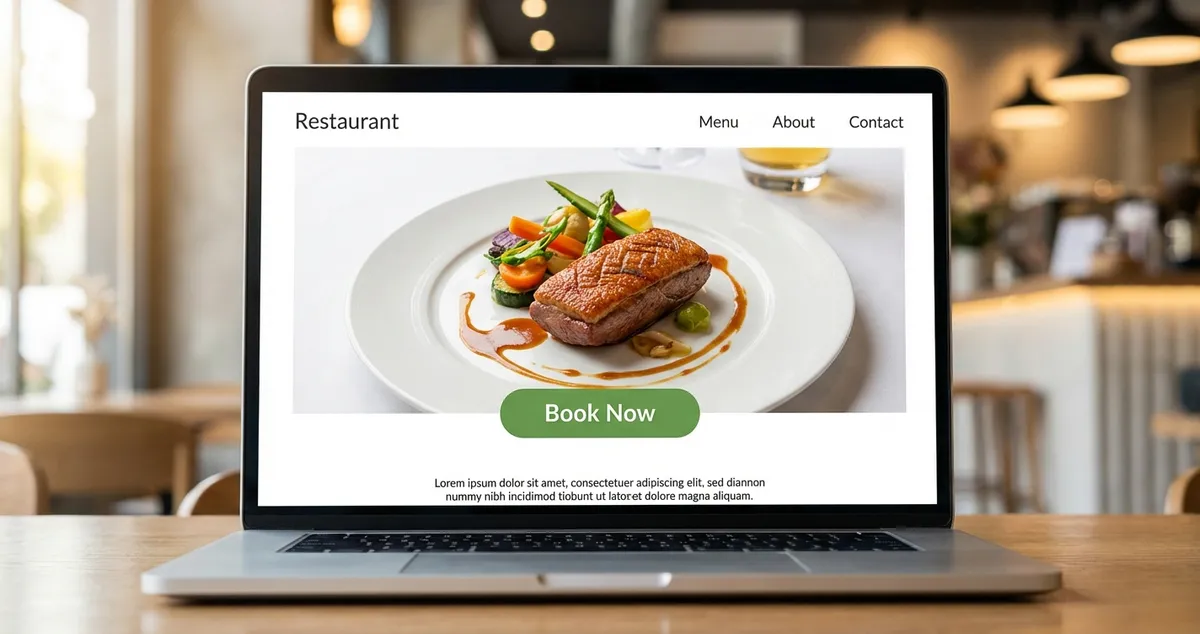
Build restaurant landing pages that turn visitors into bookings. Covers mobile layout, page speed, CTAs, and social proof with UK examples.
You've spent money driving traffic to your website. Ads running, social posts scheduled, maybe even a mention in a local food blog. People are clicking through. But when they land on your page, nothing happens. No bookings. No orders. Just a bounce back to Google. That's usually a sign your landing page isn't doing its job.
A restaurant landing page is a focused webpage designed to convert visitors into customers through a single clear action. Unlike your homepage, which serves multiple purposes, a landing page strips away distractions and guides visitors toward one goal, whether that's booking a table, placing an order, or signing up to your email list.
What you'll learn:
- Why restaurant landing pages convert better than generic homepages
- The essential elements every high-converting page needs
- How page speed directly impacts your bookings
- Mobile-first design principles for on-the-go diners
- Common mistakes that kill conversions
If you're running restaurant advertising campaigns, your landing page is where that investment either pays off or gets wasted.
Info
Related: Restaurant Marketing Guide - Master the basics to drive more qualified traffic to your landing pages.
Why Restaurant Landing Pages Outperform Standard Homepages
Let's start with the numbers. The catering and restaurant industry achieves an average landing page conversion rate of 18.2%, according to Unbounce's conversion benchmark report. That's significantly higher than the cross-industry average of just 4.02%.
Here's why dedicated landing pages work better than sending traffic to your homepage:
- Single focus: Landing pages eliminate distracting navigation, which doubles conversion rates
- Matched intent: When someone clicks your "Book Sunday Roast" ad, they land on a page specifically about Sunday roast bookings
- Clear next step: One prominent call-to-action removes decision paralysis
- Faster loading: Stripped-down pages load faster, reducing bounce rates
For example, a fish and chip shop running a Google Ads campaign for "best fish and chips in Brighton" might create a dedicated landing page featuring their award-winning batter, a prominent "Order for Collection" button, and photos of their actual food. That focused approach converts better than sending traffic to a generic homepage with navigation to menus, delivery, catering, and gift vouchers.
Common Mistake
If you're only treating landing pages as an afterthought you'll always lose to competitors who integrate them into their marketing operations.
Essential Elements of High-Converting Restaurant Landing Pages
Here's what separates landing pages that fill tables from ones that get ignored.
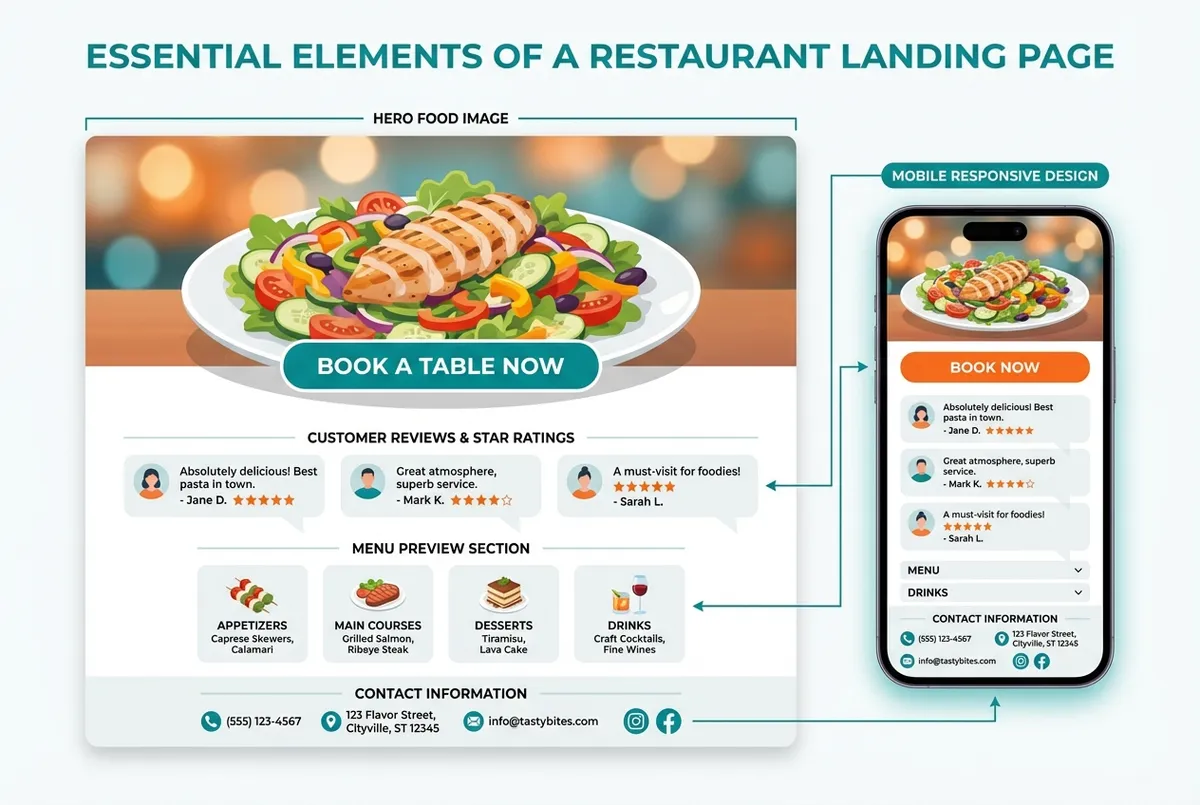
The key elements every restaurant landing page needs
1. Mouthwatering Hero Image
Your hero image is your first impression. High-quality food photography isn't optional, it's your main sales tool.
A gastropub might feature their signature pie with steam rising from a golden crust. A sushi restaurant might showcase a beautifully arranged omakase platter. Whatever you choose, it should make visitors hungry before they've read a single word.
Image guidelines:
- Use professional photos (smartphone snaps rarely cut it)
- Show your signature dish, not generic stock food
- Ensure images load quickly (compress to under 200KB)
2. Single, Prominent Call-to-Action
Landing pages that use a single call-to-action achieve an average conversion rate of 13.5%. Adding multiple CTAs splits attention and reduces conversions.
Your CTA should:
- Use action-oriented text ("Book Your Table" not "Reservations")
- Stand out with contrasting colours
- Appear above the fold, visible without scrolling
- Repeat once more after key content sections
For instance, "Reserve Your Table for Tonight" is more compelling than "Make a Reservation" because it creates immediacy.
3. Mobile-Optimised Booking Integration
In the UK, mobile devices account for approximately 55% of all web traffic. For restaurants, this percentage often runs higher since diners frequently search while on the go.
Your booking system should:
- Require only a few taps to complete
- Pre-populate date fields with today's date
- Show available time slots immediately
- Send instant confirmation via text or email
Analytics Check
If you can't tell whether mobile visitors are booking or bouncing, that's usually a sign your analytics setup needs work.
4. Social Proof That Builds Trust
Include authentic reviews from Google or TripAdvisor. Seeing that others have had a great experience removes the risk for new visitors.
Effective social proof includes:
- Star ratings with review counts
- Short testimonial quotes with names
- "As featured in" badges if you've had press coverage
- Photos from real customers (with permission)
5. Scannable Menu Preview
Visitors want to know what they'll eat before they commit. Include a condensed menu or "featured dishes" section that highlights your best offerings with descriptions that spark appetite.
Instead of "Tomato Soup - £6.50", try "Roasted Tomato & Basil Soup - slow-roasted vine tomatoes with fresh basil and cream, £6.50".
Page Speed: The Silent Conversion Killer
Furthermore, speed matters more than most restaurant owners realise. According to Google's research, when page load time increases from 1 to 3 seconds, bounce probability increases by 32%. At 5 seconds, it jumps to 90%.
The numbers are stark:
- Sites loading in 1 second: 7% bounce rate
- Sites loading in 3 seconds: 11% bounce rate
- Sites loading in 5 seconds: 38% bounce rate
For every additional second of load time, conversion rates drop by approximately 4.4%. If your landing page takes 5 seconds to load instead of 2, you could be losing nearly 15% of potential bookings.
Quick wins for faster pages:
- Compress images to WebP format
- Remove unnecessary plugins and scripts
- Use a content delivery network (CDN)
- Enable browser caching
- Choose fast, reliable hosting
If you're reading this thinking "I don't have time for technical stuff", you're not alone. But a 3-second improvement in load time could mean the difference between a quiet Wednesday night and a full house.
Mobile-First Design for Restaurant Pages
Here's the reality: nearly 51% of restaurant website visitors browse on mobile networks rather than WiFi, meaning they're often searching while out deciding where to eat. Your page needs to work perfectly on a smartphone.
Mobile-first checklist:
- Booking button visible without scrolling
- Phone number clickable to call directly
- Address links to maps for navigation
- Menu readable without pinching to zoom
- Images sized appropriately (not desktop-sized files)
- Forms use appropriate keyboard types (number pad for phone fields)
Many successful restaurants create mobile-first landing pages where the booking button appears as the first visible element. This ensures the majority of visitors can take action immediately.
Quick Test
Ask yourself: would I follow through and book if I landed on my own page while standing in a queue? If not, that's your signal to simplify.
Common Landing Page Mistakes to Avoid
Let's look at where restaurant landing pages typically fail.
Mistake 1: Too Many Choices
If you're offering booking, takeaway ordering, gift vouchers, newsletter signup, and event enquiries all on one page, visitors get overwhelmed. Don't try to do everything on one page - that approach rarely converts. Create separate landing pages for each campaign.
Mistake 2: Generic Stock Photography
Diners can spot stock photos instantly. A generic image of pasta rarely converts because it doesn't represent your actual food. Invest in professional photography of your real dishes.
Mistake 3: Hidden Contact Information
Don't make visitors hunt for your phone number or address. These should be immediately visible, especially on mobile where someone might be trying to find you right now.
For instance, a curry house in Manchester discovered their phone number was only visible after scrolling three screens down. Moving it to a sticky header increased phone bookings by 40%.
Mistake 4: Slow Booking Systems
If your reservation widget takes forever to load or requires too many steps, visitors abandon ship. Hungry diners won't wait for a clunky booking system. Test your booking flow on mobile and count the taps required.
Mistake 5: No Clear Value Proposition
Why should someone book with you instead of the restaurant down the road? State your unique selling point clearly, whether that's "Farm-to-table ingredients from local suppliers" or "Award-winning Sunday roasts". Never assume visitors will figure out what makes you special on their own.
Minimum Viable Landing Page
Here's where to start if time is tight. If you only have 30 minutes this week, focus on these three elements:
This week, audit your restaurant landing page:
- Day 1-2: Check your page load time at PageSpeed Insights and compress any images over 200KB
- Day 3-4: Ensure your booking button appears above the fold on mobile and test the full booking flow yourself
- Day 5-7: Add one piece of social proof, whether a Google review quote or a "4.5 stars from 200+ reviews" badge
That's enough to start. You don't need a complete redesign. Small improvements compound.
If you're reading this after yet another slow Tuesday night, know that you're not alone. Stop ignoring your analytics - the numbers tell you exactly what's broken.
Measuring What Matters
Let's talk about the numbers that actually indicate success. Track these metrics to understand whether your landing page is working, and use our ROI calculator to see what a better conversion rate is worth:
| Metric | Target | How to Measure |
|---|---|---|
| Conversion rate | 10%+ | Bookings / Total visitors |
| Bounce rate | Under 40% | Google Analytics |
| Mobile conversion | Match desktop | Segment by device |
| Page load time | Under 3 seconds | PageSpeed Insights |
For example, a pizza restaurant running Google Ads might discover their desktop conversion rate is 12% but mobile sits at just 3%. That's a clear signal to prioritise mobile booking flow improvements.
If your conversion rate sits below 5%, start with page speed and mobile usability. These two factors often cause the biggest problems. Would you book a table through your own landing page on your phone? If the honest answer is "probably not," you've identified your starting point.
Regular Reviews
Don't just check your metrics monthly. Set a calendar reminder for Friday mornings to review the previous week's numbers. Patterns emerge faster when you're looking regularly.
Key Takeaways
If you run a restaurant and want to see how Local Brand Hub can support your marketing, explore our restaurant marketing tools.
Key Takeaways
A restaurant landing page that converts isn't about flashy design, it's about removing friction between a hungry visitor and your booking system.
The essentials:
- One clear goal per page with a single, prominent CTA
- Mouthwatering photography that represents your actual food
- Sub-3-second load times (every second costs you bookings)
- Mobile-first design since most visitors browse on phones
- Social proof that builds trust with new customers
Would a tired restaurant owner after a 12-hour shift want to fill out your booking form? If not, simplify it.
Your landing page is the bridge between your advertising spend and actual revenue. Get it right, and every pound you invest in marketing works harder. Get it wrong, and you're paying to send potential customers to your competitors.
Start with speed. Add clear calls-to-action. Include social proof. Test on mobile. Then measure and improve.
For UK restaurants
Need Help With Your Landing Pages?
Local Brand Hub helps UK restaurants create landing pages that convert visitors into bookings.
Start freeGet More Marketing Tips
Practical marketing tips for UK business owners, straight to your inbox. No spam, unsubscribe anytime.
About the Author
Local Brand Hub
Empowering UK Businesses
Local Brand Hub provides comprehensive business management tools designed specifically for UK local businesses to streamline operations, automate marketing, and grow revenue.
More articlesRelated Articles
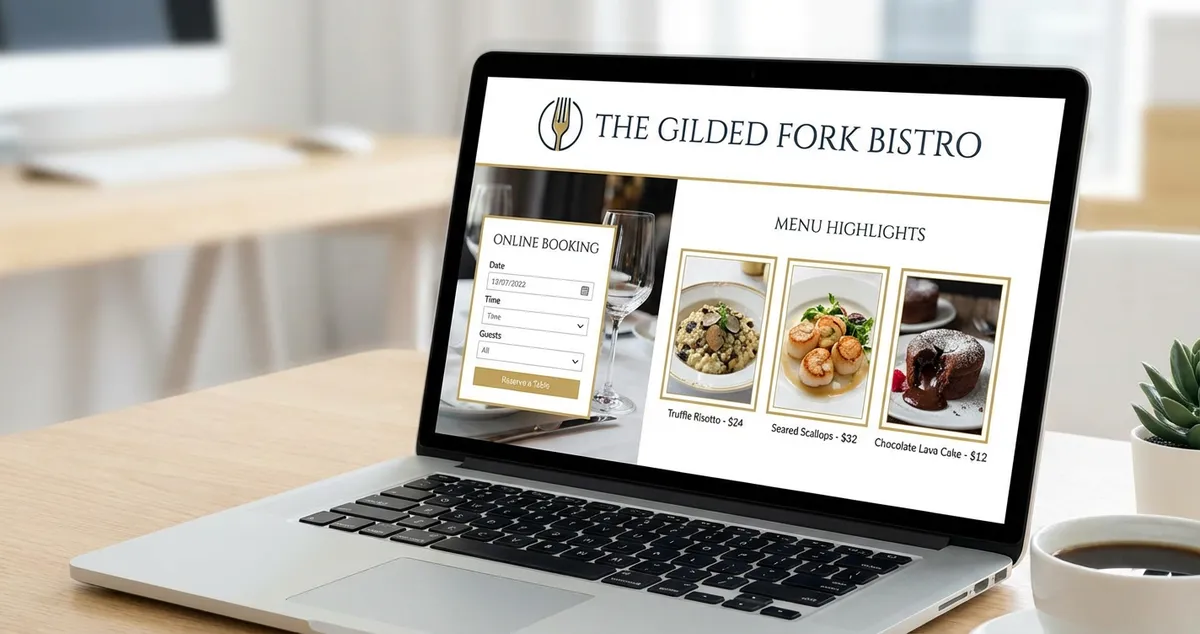 Marketing Tips
Restaurant Landing Pages: Convert Clicks into Bookings
Create restaurant landing pages that turn ad clicks into table bookings. Design tips, essential elements, and conversion strategies for UK venues.
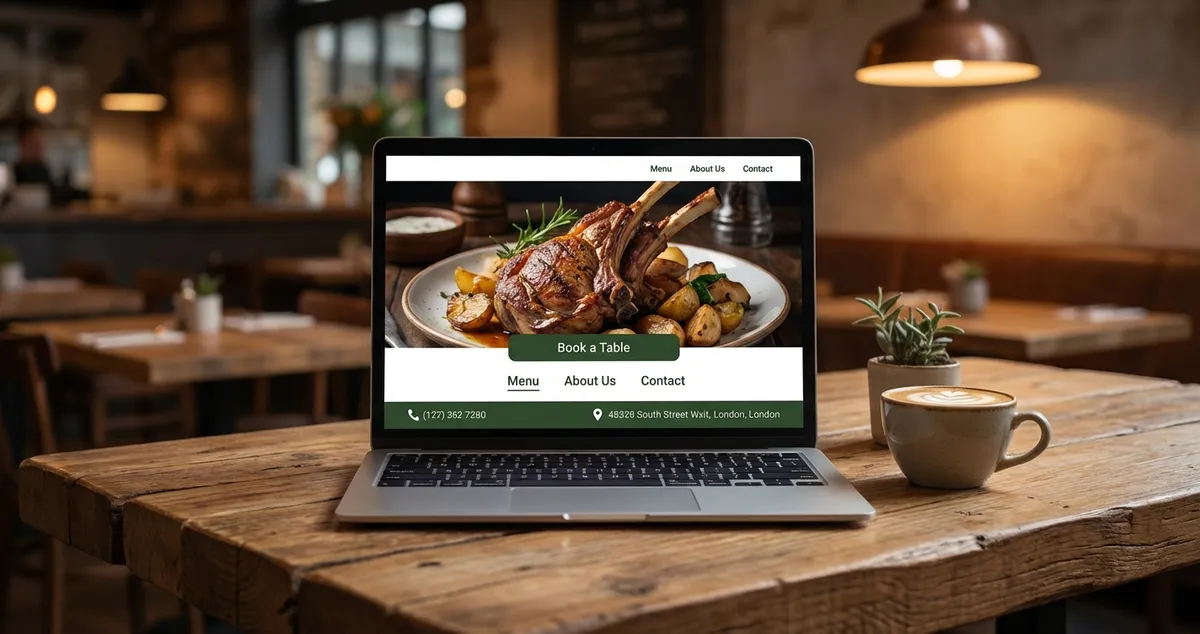 Marketing Tips
Restaurant Homepage Design: 7 Elements That Convert
Learn 7 essential restaurant homepage design elements that convert visitors into diners. Mobile-first layouts and booking buttons.
 Marketing Tips
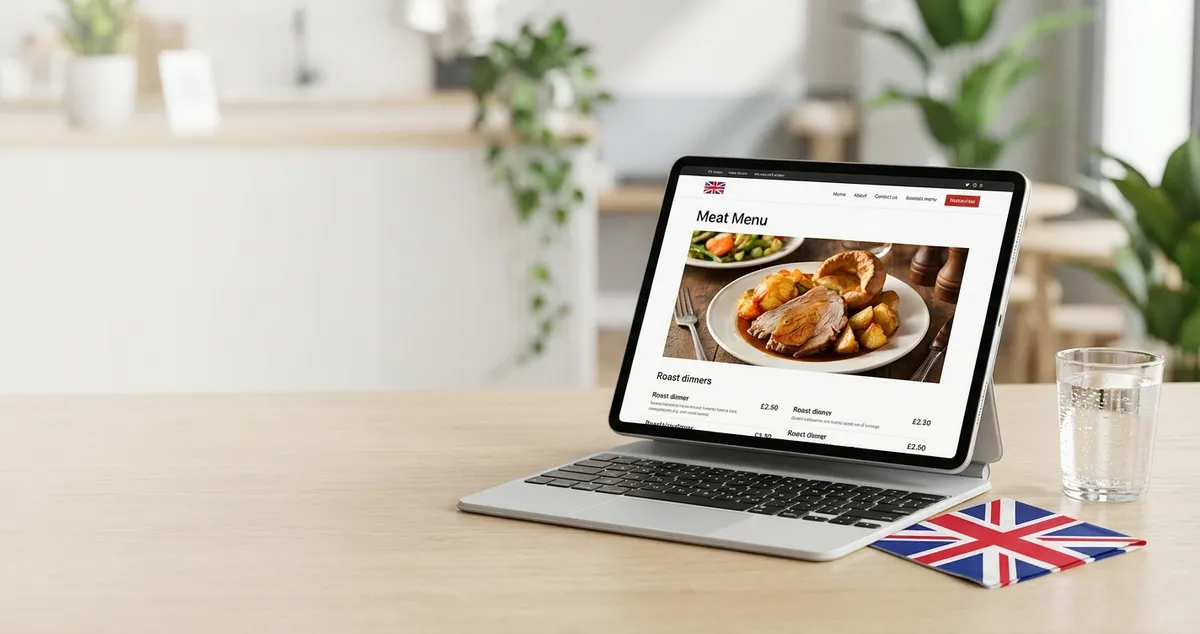
Restaurant Menu Page Design: UK Guide for Conversions
Design a restaurant menu page that converts browsers into diners. Step-by-step guidance on layout, UX, and mobile optimisation for UK restaurants.