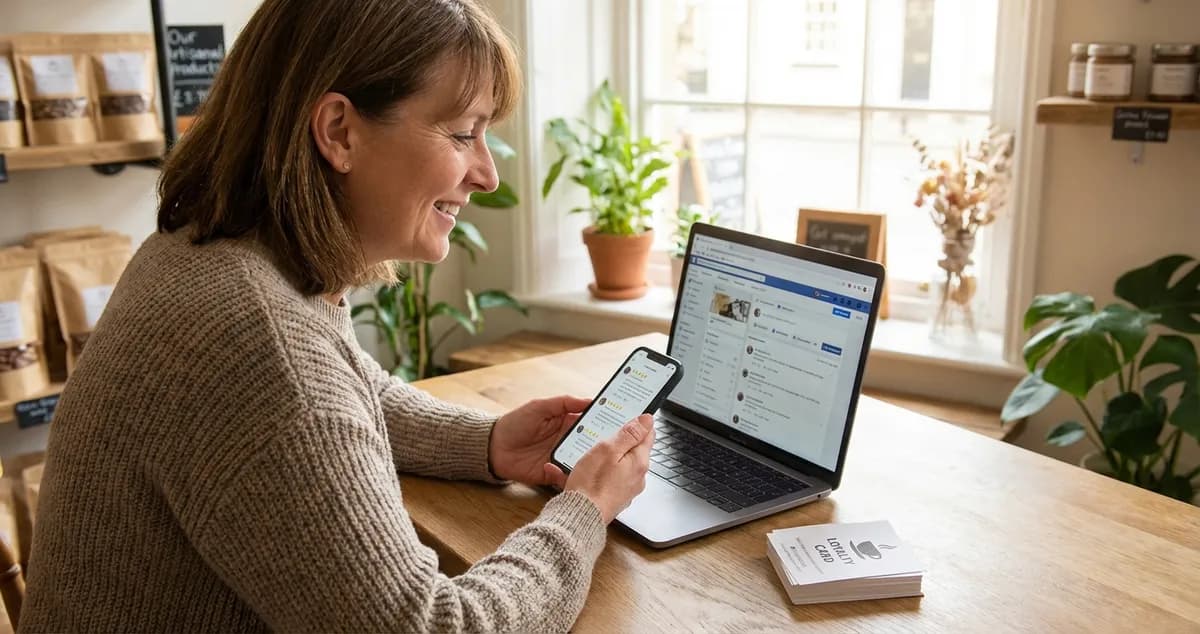
Practical restaurant marketing on a budget ideas for tight budgets. Free and low-cost strategies UK independents use to attract customers without agencies.
You're watching chains spend thousands on advertising while you're wondering if you can afford a Facebook boost this month. Your marketing "budget" is whatever's left after wages and suppliers, which is often nothing. If you're reading this thinking "I've tried everything and nothing sticks," you're not alone.
Short on time? Here's the quick version
- Free channels often outperform paid: Google Business Profile, email, and word-of-mouth deliver excellent ROI at zero cost
- Focus on 3 core channels: Google, email list, and reviews before anything else
- Consistency beats creativity: Regular adequate content beats occasional brilliant posts
- Time is your currency: Budget marketing means spending time wisely, not money
- Master 2-3 channels before adding more
Full breakdown of 20 ideas below
Restaurant marketing on a budget is a strategy that prioritises free and low-cost channels (like Google Business Profile, social media, email, and word-of-mouth) over paid advertising. For UK independents, the most effective budget strategies typically focus on maximising existing customer relationships and leveraging free platforms where diners already search for places to eat.
The good news? Most effective restaurant marketing on a budget costs little or nothing. According to UK Hospitality's 2025 survey, independent restaurants that focused on three core free channels (Google Business Profile, Instagram, and email) generated comparable customer acquisition to those spending £500+ monthly on paid ads. The difference was consistency, not cash. If you're running a food business, you'll find that strategy beats spend.
This guide covers 20 budget-friendly marketing ideas organised by cost (free, low-cost, and smart investments), with specific guidance on what actually moves the needle for independent UK restaurants.
Related: Restaurant marketing: the complete framework for attracting and retaining customers.
What You'll Learn
- 8 completely free marketing tactics that take under an hour each
- 7 low-cost ideas (under £50/month) with genuine ROI
- 5 smart investments worth considering when budget allows
- How to prioritise when you can only do one thing
- Common budget marketing mistakes that waste your time
Table of Contents
- Free Marketing Ideas (£0)
- Low-Cost Ideas (Under £50/Month)
- Smart Investments (Worth the Budget)
- How to Prioritise With Limited Time
- Common Budget Marketing Mistakes
- Minimum Viable Marketing Plan
- Frequently Asked Questions
Free Marketing Ideas (£0)
These tactics cost nothing but time. Start here if you're working with zero marketing budget: these are the foundation of restaurant marketing on a budget.
Typical ROI comparison, your mileage may vary:
| Tactic | Time Investment | Typical ROI |
|---|---|---|
| Google Business Profile | 2hrs setup, 15min/week | High |
| Email List Building | 1hr setup, 30min/week | High |
| Review Collection | 5min/day | Medium-High |
| Social Media (1 platform) | 1hr/week | Medium |
1. Optimise Your Google Business Profile
Time required: 2 hours initially, 15 minutes weekly
Your Google Business Profile (formerly Google My Business) is often your most powerful free marketing tool. When someone searches "restaurants near me," this is what determines whether you appear.
What to do:
- Upload 10+ high-quality photos (food, interior, exterior, team)
- Fill in every field: hours, menu link, attributes, description
- Add products/services (popular dishes with photos)
- Post weekly updates (specials, events, behind-the-scenes)
- Respond to every review within 24 hours
Real-world result
A cafe in Bristol increased their "directions requests" by 40% after adding 15 new photos and posting weekly specials for two months. Total cost: £0.
Related: Restaurant Google Business Profile optimisation: detailed setup guide.
2. Encourage Reviews Systematically
Time required: 5 minutes per day
Reviews frequently influence where people choose to eat. But many happy customers don't leave reviews unless prompted.
What to do:
- Create a simple review request card with QR code
- Train staff to mention reviews after positive feedback
- Respond to every review (positive and negative)
- Include review links in post-visit emails
- Display your Google review rating visibly
Warning
Don't pay for reviews because it's against platform terms and can get your listing penalised. Also avoid only responding to complaints.
3. Build an Email List From Day One
Time required: 1 hour setup, 30 minutes weekly
Email marketing typically has higher ROI than social media, yet many restaurants ignore it. Start collecting emails now, even if you don't know what to send yet.
What to do:
- Add signup cards to tables ("Get exclusive offers")
- Collect emails for reservations and WiFi login
- Send a simple monthly newsletter with one promotion
- Include a personal touch from the owner
Real-world result
A family restaurant in Manchester built a 2,000-person email list in 18 months using only table cards. Their monthly "locals newsletter" drives an average of 25 midweek bookings per send.
4. Leverage Local Community Groups
Time required: 30 minutes weekly
Facebook community groups, Nextdoor, and local forums are where your neighbours discuss recommendations. Be genuinely helpful, not salesy.
What to do:
- Join local Facebook groups and neighbourhood forums
- Answer questions about dining recommendations authentically
- Share genuine local news, not constant promotions
- Participate in community discussions
Warning
Heavy self-promotion gets you banned or ignored. Don't join a local group just to spam your offers. That approach backfires quickly. The goal is reputation, not advertising.
5. Create a Referral System
Time required: 2 hours setup
Word-of-mouth is often your most trusted marketing channel. Make it easy for happy customers to bring friends.
What to do:
- Create referral cards ("Your friend gets £10 off, you get £10 off")
- Thank customers who bring groups
- Recognise and reward your regulars
6. Partner With Complementary Local Businesses
Time required: 2-3 hours monthly
Cross-promotion with non-competing businesses expands your reach to their customers. Avoid one-sided partnerships where you're doing all the promoting: both businesses should benefit equally.
What to do:
- Hotels: Offer guest discounts in exchange for lobby placement
- Offices: Corporate lunch deals with nearby businesses
- Gyms: Post-workout meal promotions
- Theatres: Pre-show dinner packages
Partnership example
A restaurant near a cinema created a "Dinner + Movie" package with a shared flyer. The cinema displays the menu; the restaurant promotes the cinema. Both win customers.
7. Master One Social Platform
Time required: 1 hour weekly
Instead of being mediocre everywhere, be excellent on one platform where your customers actually are.
For most restaurants: Instagram tends to work well for visual food content. Post 3-4 times weekly with:
- Fresh food photos (natural light, minimal editing)
- Behind-the-scenes kitchen moments
- Staff highlights and stories
- User-generated content (reshare customer posts)
Warning
Don't spread too thin or you'll end up mediocre everywhere. This approach typically leads to poor results. Pick one and do it properly.
8. Claim All Your Listings
Time required: 3 hours once
Beyond Google, ensure your restaurant appears correctly on every platform people use to find restaurants.
Claim and complete profiles on:
- TripAdvisor
- Yelp
- Apple Maps
- Bing Places
- OpenTable/TheFork (if relevant)
- Industry-specific directories
Low-Cost Ideas (Under £50/Month)
Now that you've mastered the free channels, these low-cost tactics deliver measurable returns on minimal investment. This is where restaurant marketing on a budget starts to feel more strategic.
9. Print Simple Table Marketing
Cost: £30-50 for table cards/stands
Physical table marketing converts seated customers into repeat customers.
What works:
- Review request cards with QR codes
- "Join our mailing list" table tents
- Loyalty programme signup
- Upcoming events flyers
Keep it focused
Avoid cluttering tables with too many cards: one clear call-to-action works better than three competing messages.
10. Run Targeted Facebook/Instagram Ads
Cost: £30-50/month
With hyper-local targeting, even tiny budgets can reach relevant customers.
What to do:
- Target 3-5 mile radius around your location
- Promote specific offers, not general awareness
- Use actual food photos, not stock images
- Run for 2-4 weeks, then evaluate results
Start small: £5/day for a week targeting local users interested in dining out. If it drives 5+ covers, scale up.
11. Invest in Better Food Photography
Cost: £50-100 one-time (or free with practice)
Your photos represent your food online. Poor photos can actively hurt your business.
Options:
- Hire a local photographer for 1 hour (£50-100)
- Learn basic smartphone photography (free)
- Natural light, minimal props, consistent style
12. Create a Simple Loyalty Programme
Cost: £20-30 for stamp cards, or free digital options
Loyalty programmes can increase visit frequency. Keep it simple enough that customers actually use it.
Budget options:
- Physical stamp cards (£20-30 for 500 cards)
- Digital via your booking system (often included)
- Simple spreadsheet tracking for VIP customers
Make rewards achievable
Don't make the reward too hard to reach: if customers need twenty visits before getting anything, they'll lose interest after the first few stamps.
13. Send Handwritten Thank You Notes
Cost: £10-15/month for cards
In a digital world, handwritten notes can stand out dramatically.
When to send:
- After large group bookings
- To customers celebrating special occasions
- To regulars who haven't visited recently
- After positive reviews
Real-world result
A gastropub in Leeds sends handwritten cards to birthday celebration bookings. They report roughly 30% of recipients post the card on social media: free advertising.
14. Host Low-Cost Events
Cost: £0-50 depending on format
Events can give people a reason to visit and something to talk about.
Budget event ideas:
- Quiz night (prizes donated or leftover stock)
- Tasting evenings (charge attendance covering costs)
- Live acoustic music (tip jar arrangement)
- Charity evenings (community goodwill)
15. Improve Your Menu Descriptions
Cost: £0-30 (DIY or basic copywriting)
Menu descriptions influence what people order. Better descriptions can increase average spend.
What works:
- Describe ingredients and preparation
- Use sensory language (crispy, tender, aromatic)
- Highlight provenance (locally sourced, farm name)
- Avoid purple prose and clichés
Smart Investments (Worth the Budget)
However, when you have some marketing budget for your restaurant, these investments typically deliver strong returns for restaurants marketing on a budget. Before committing, it helps to work out the likely payback so you back the tools that earn their keep.
16. Professional Website (or Fix Your Current One)
Cost: £300-800 one-time
Your website needs to load fast, show your menu clearly, and make booking easy. That's it.
Real-world result
A pizzeria in Edinburgh spent £400 on a basic Squarespace site with online ordering. Within three months, online orders accounted for 15% of their revenue. The website paid for itself in the first month.
Must-haves:
- Mobile-friendly design
- Menu as text (not just PDF)
- Clear booking/contact information
- Current photos and opening hours
Warning
Don't waste money on fancy animations, complicated booking systems, or anything that slows loading. These rarely improve conversions and often hurt mobile performance.
17. Booking System Integration
Cost: £30-100/month depending on platform
If you take reservations, a proper booking system reduces no-shows and captures customer data.
Options for UK restaurants:
- ResDiary
- OpenTable
- Quandoo
- DesignMyNight
18. Basic Email Marketing Tool
Cost: £10-30/month
Once your email list passes 500 people, a proper tool makes campaigns manageable. Don't pay for expensive automation features you won't use: start with the basics and upgrade later.
Budget-friendly options:
- Mailchimp (free up to 500 subscribers)
- Brevo (formerly Sendinblue)
- MailerLite
19. Review Management Software
Cost: £20-50/month
As review volume grows, tracking and responding becomes time-consuming. Don't ignore negative reviews hoping they'll disappear; they won't, and other potential customers are reading them.
What it provides:
- Alerts when new reviews appear
- Response templates
- Performance tracking across platforms
20. Local SEO Basics
Cost: £100-300 one-time or ongoing
If you're not appearing in local searches, professional help can identify quick fixes.
What to prioritise:
- Google Business Profile optimisation
- Local citation cleanup
- Website technical SEO
- Review strategy
Related: Restaurant local SEO: how to rank in local searches.
How to Prioritise With Limited Time
With all these restaurant marketing on a budget options, the question becomes: where do you start? If you can only do three things this month, here's where to focus:
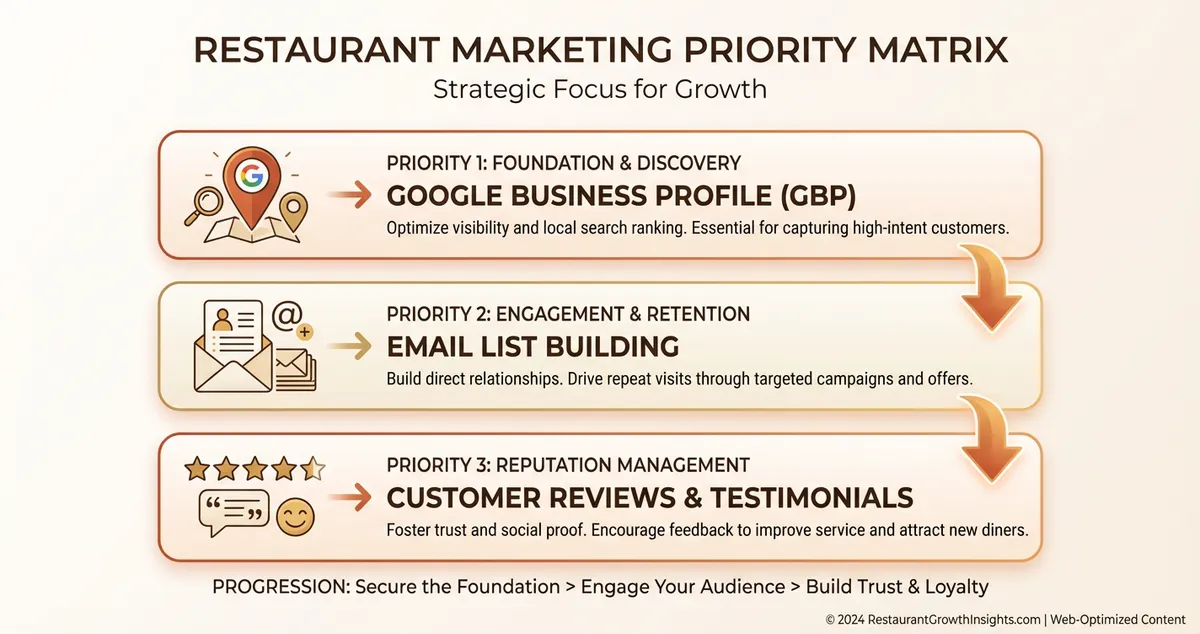
Week 1: Google Business Profile
- Complete every field
- Upload 10+ photos
- Set up weekly posting schedule
Week 2: Email List
- Create signup mechanism
- Send first newsletter
- Add to every customer touchpoint
Week 3: Reviews
- Create review request process
- Train staff on asking
- Respond to all existing reviews
Ongoing: Post weekly on Google and one social platform. Send monthly email. Ask for reviews consistently.
If you're only doing these three things well, you're ahead of most independent restaurants.
Real-world result
A tapas bar in Birmingham followed exactly this three-week plan for restaurant marketing on a budget. Within two months, their Google profile views increased significantly and their email list grew to several hundred subscribers, without spending a penny on advertising.
Common Budget Marketing Mistakes
Even with the best intentions, restaurant marketing on a budget can go wrong. Avoid these common pitfalls that waste time and money.
Mistake 1: Spreading Too Thin
Trying to maintain 5 social platforms, write blogs, send emails, and run ads, all poorly, beats doing 2-3 things excellently.
Fix: Pick your top 2-3 channels. Ignore the rest until you've mastered these.
Mistake 2: Chasing Trends Over Fundamentals
TikTok might seem exciting, but if your Google Business Profile has outdated hours and no recent photos, fix that first. Don't get distracted by shiny new platforms when the basics are broken.
Fix: Fundamentals first. Google Business Profile, reviews, email list. Then consider trends.
Info
If you're only chasing new platforms without fixing basics, you'll always struggle to see results. That's usually a sign your tracking needs tightening before you add more channels.
Mistake 3: Expecting Instant Results
Marketing compounds over time. Restaurants that post consistently for months see dramatically different results than those who give up early.
Fix: Commit to at least three months before evaluating any channel.
Mistake 4: Ignoring What's Working
If Friday's Instagram post got 3x normal engagement, analyse why and do more of that, instead of constantly trying new things.
Fix: Track what works. Do more of it. Don't abandon tactics that are working just because something new looks exciting.
Warning
If you're trying everything and nothing seems to work, that's usually a sign you're not sticking with anything long enough. Restaurant marketing on a budget requires patience and consistency, not constant pivoting.
The biggest mistake is giving up after two weeks because you haven't seen results: most budget marketing tactics need 2-3 months to show measurable impact.
Minimum Viable Marketing Plan
Furthermore, if you're overwhelmed by all these restaurant marketing on a budget options, here's the bare minimum that still moves the needle:
This week, set up sustainable marketing:
- Day 1-2: Optimise Google Business Profile completely
- Day 3-4: Create email signup mechanism and send first message
- Day 5-6: Set up review request process
- Day 7: Post your first Google update and schedule weekly reminders
Time commitment: 4-5 hours setup, then 2-3 hours weekly ongoing.
That's it. Master these before adding anything else.
Real-world result
A curry house in Leicester started with just this minimum viable approach to restaurant marketing on a budget. After six weeks, they had built a decent email list and saw a noticeable uptick in midweek bookings, all from free channels.
Key Takeaways
If you run a restaurant and want to see how Local Brand Hub can support your marketing, explore our restaurant marketing tools.
Key Takeaways
Ask yourself: Are you doing three channels well, or ten channels poorly? Most restaurants benefit from narrowing focus, not expanding it. That's the core principle of restaurant marketing on a budget.
- Free channels often outperform paid: Google Business Profile, email, and word-of-mouth deliver excellent ROI at zero cost
- Consistency beats creativity: Regular, adequate content beats occasional brilliant posts
- Fundamentals first: Get Google, reviews, and email right before exploring trends
- Time is your currency: Budget marketing means spending time wisely, not just money
- Pick your battles: Master 2-3 channels before adding more
Start by spending 2 hours this week completing your Google Business Profile. Take 10 new photos, fill every field, and post your first update. That single action will likely drive more customers than any paid advertising, proving that restaurant marketing on a budget works when you focus on fundamentals.
Weekly Action
This week, audit your current marketing presence:
- Day 1-2: Check your Google Business Profile: are all fields complete? When did you last post?
- Day 3-4: Count how many customer emails you've collected in the past month. If zero, create a collection system
- Day 5-7: Respond to every unanswered Google review and create a plan to ask for more
Frequently Asked Questions
How much should a small restaurant spend on marketing?
Industry guidelines suggest 3-6% of revenue for marketing. However, many successful independents spend far less by focusing on free channels. Start with fundamentals before scaling up.
What is the most cost-effective restaurant marketing?
The most cost-effective restaurant marketing is typically a strategy that focuses on Google Business Profile, which often offers strong ROI for most restaurants. It's completely free and directly influences where you appear in local searches. Email marketing typically follows closely, with ROI often exceeding social media or paid advertising. Reviews and word-of-mouth round out the top tier.
Can you market a restaurant with no budget?
Yes. Many successful independent restaurants build their customer base primarily through free channels: Google Business Profile, systematic review collection, email lists, community involvement, and consistent social media. Restaurant marketing on a budget, or no budget at all, is about investing time and consistency, not money.
What marketing doesn't work for restaurants on a budget?
Avoid: broad social media advertising (targeting is too vague), printed newspaper ads (declining readership, unmeasurable), generic leaflet drops (low conversion), and trying to maintain presence on every platform. Focus beats breadth.
Real-world example
A gastropub in Norwich spent £200 on a local newspaper ad and tracked zero attributable bookings. The same budget spent on targeted Facebook ads to their area generated over a dozen reservations they could track directly.
For UK restaurant owners
Simplify Your Budget Marketing
LocalBrandHub helps independent restaurants manage their marketing across channels without dedicated marketing staff. If juggling Google, social, and email feels overwhelming, having everything in one dashboard with scheduled reminders makes consistency achievable.
Start freeGet More Marketing Tips
Practical marketing tips for UK business owners, straight to your inbox. No spam, unsubscribe anytime.
About the Author
Local Brand Hub
Empowering UK Businesses
Local Brand Hub provides comprehensive business management tools designed specifically for UK local businesses to streamline operations, automate marketing, and grow revenue.
More articlesRelated Articles
 Marketing Tips
Restaurant Interior Signage: Menu Boards & Upselling
Plan your restaurant interior signage strategy. Compare menu boards, wayfinding signs, hygiene displays and upselling signage with UK costs and rules.
 Marketing Tips
Restaurant Outdoor Signage: A-Boards & More
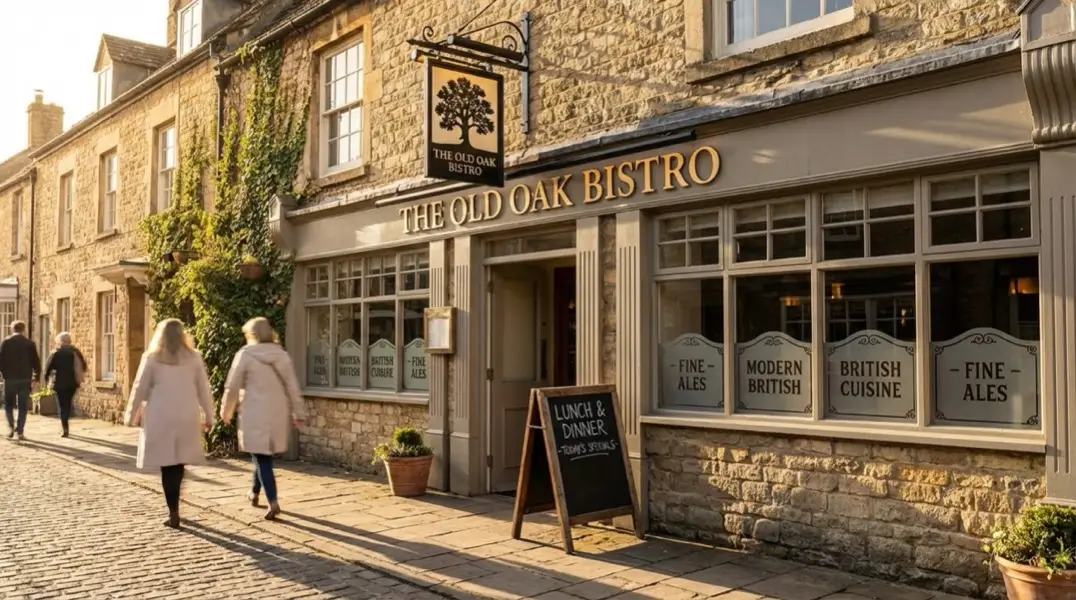
Choose the right restaurant outdoor signage for your UK venue. Compare A-boards, projecting signs, fascia options, costs and planning permission rules.
 Marketing Tips
Restaurant Signage: Types, Costs and UK Regulations
Complete guide to restaurant signage for UK owners. Covers fascia signs, A-boards, LED lighting, menu boards, costs, materials and planning regulations.