
Prepare your restaurant for 2025-2026 with trends shaping UK dining: AI ordering, nostalgia menus, and the 30/30/30 cost framework.
You're scrolling through industry articles at midnight after a 12-hour shift, wondering if AI will replace your front-of-house team. The future of restaurants combines technology adoption with evolving consumer expectations, helping venues serve more customers while maintaining the human touch that makes dining worthwhile.
Nearly all UK food businesses are small independents, and the sector's future is shaped by operators like you making thoughtful changes. Based on our analysis of industry reports and operator feedback, the reality is more nuanced than headlines suggest. This guide on restaurant trends explains what that future means in practice.
What You'll Learn
- How the 30/30/30 rule applies to restaurant economics in 2026 (for example, why a gastropub's labour split differs from a fine dining restaurant)
- Which technology investments deliver real returns for independents
- What nostalgia dining means for menu development
- How to prepare for regulatory and consumer shifts
What Is the Future of Restaurant Business?
Let's start with the big picture. The future of restaurant business is a framework that combines technology adoption with evolving consumer expectations to help venues serve more customers while keeping the human touch that makes dining worthwhile.
Info
According to SevenRooms' 2025 UK Restaurant Trends Report, 74% of UK restaurant operators already use AI in some capacity.
This is not about replacing your team but augmenting what they can do.
What this looks like on the ground:
- A gastropub in Manchester might use AI scheduling to match staff levels to predicted bookings
- A quick-service spot in Birmingham could deploy automated guest communication to handle routine enquiries
Lumina Intelligence's 2026 trends report notes that operators and guests alike are embracing intentionality: a slower, more purposeful approach to dining.
Cost Savings with Automation
The cost concern is valid. But Tableo's 2025 analysis found restaurants using automation saw labour costs drop by 15% and sales rise by 20%.
Related: Restaurant Technology Trends
With that context on where the industry is heading, let us look at the financial framework that underpins sustainable restaurant operations.
What Is the 30/30/30 Rule for Restaurants?
Now that we understand where the industry is heading, let's look at the financial framework. The 30/30/30 rule is a framework that allocates restaurant revenue into three equal portions: 30% for food, 30% for labour, 30% for overhead, with 10% remaining as profit. This benchmark helps you check whether your cost structure is sustainable.
For instance, a bistro doing £400,000 annually should aim for roughly £120,000 each on food and labour costs.
How each category breaks down:
| Category | Target | What It Includes |
|---|---|---|
| Food | 30% | Ingredients, inventory, waste |
| Labour | 30% | Wages, benefits, taxes |
| Overhead | 30% | Rent, utilities, marketing |
| Profit | 10% | Net margin |
Note: These percentages are guidelines, not fixed rules. Your ideal split depends on your restaurant type and market.
Info
As Paperchase Hospitality Accountancy's 2025 analysis explains, this model has shifted. Rising labour costs and food inflation mean traditional percentages rarely apply.
How different restaurant types adjust:
- Quick-service: might run at 25% labour costs because service is faster
- Fine dining: might hit 35% labour because skilled chefs command higher wages
Neither is wrong; both are responding to their market.
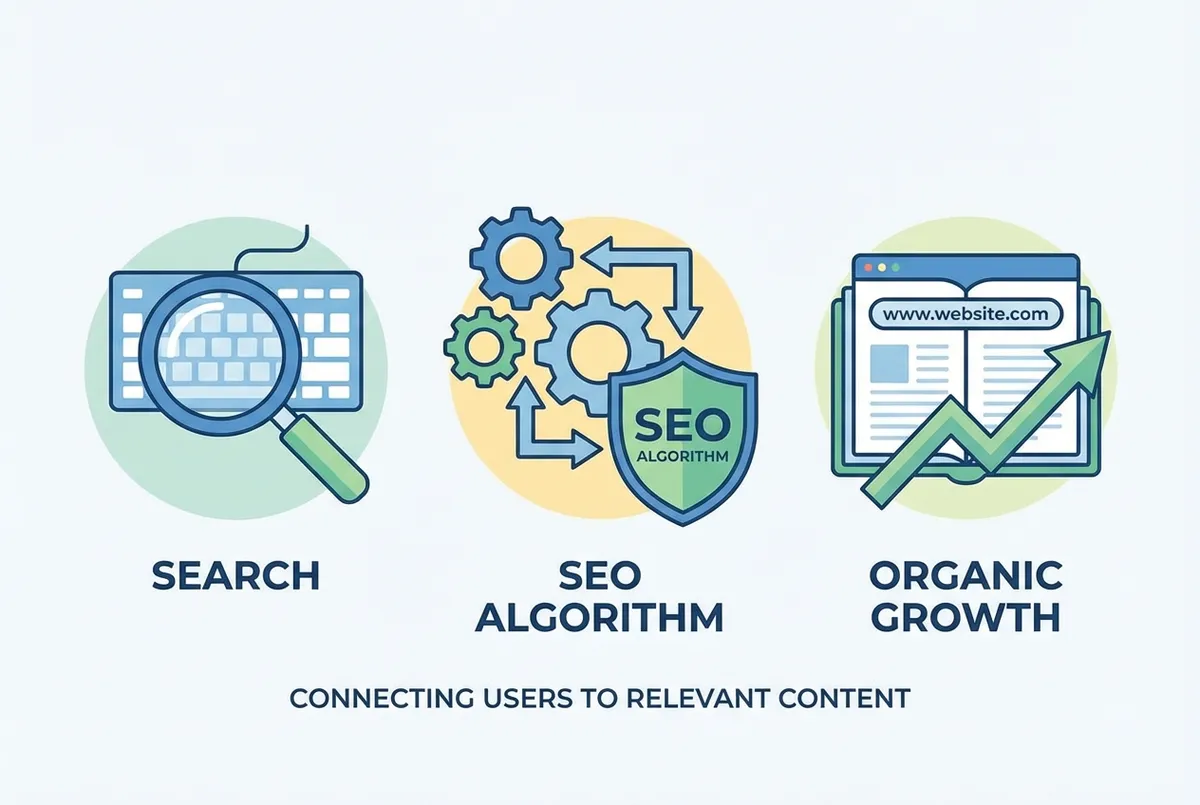
The 30/30/30 Rule Cost Breakdown
If you're only tracking revenue you'll always lose to competitors who know their real margins weekly. Cost tracking matters.
If you can't tell whether your food costs are rising or your portions are drifting, that's usually a sign your tracking systems need improvement.
Related: Restaurant Industry Trends UK
Beyond the numbers, consumer preferences are also shifting. One of the most surprising trends is the return of familiar brands and comfort-driven dining.
Which Restaurant Brands Are Making Comebacks?
When it comes to consumer behaviour, nostalgia is reshaping UK dining in 2026. For example, Jamie Oliver is partnering with Brava Hospitality Group to revive Jamie's Italian, with scope for up to 40 sites, according to Restaurant Online's January 2026 report.
But this is not just about famous names. The broader trend involves restaurants leaning into comfort-food nostalgia to attract cost-conscious diners.
Why nostalgia marketing works:
Mintel's 2025 research explains this clearly: after the pandemic and inflation, consumers seek comfort in familiar dishes that remind them of easier times.
For independent restaurants, this creates opportunities. You do not need a famous brand. Consider these approaches:
- Reintroduce dishes that were popular five or ten years ago
- Use retro menu design or throwback pricing promotions
- Highlight heritage ingredients or traditional cooking methods
Nostalgia tactics that work:
- A family-run Italian in Leeds might bring back their 1990s lasagne recipe that regulars still ask about
- A cafe in Bristol could run a "prices from when we opened" promotion for their anniversary week
- These tactics cost nothing to implement but create genuine emotional connections
Clays bar in London has achieved 25% year-on-year growth by crafting menus that remind customers of their childhood with upmarket twists.
Strategy You Can Replicate
That is not luck; it is strategy you can replicate.
If you're only chasing new trends you'll always lose to competitors who understand the power of familiarity and heritage.
What Is the Next Big Thing in the Food Industry?
Moving on from nostalgia, let's look at what's genuinely new. The next big thing is a strategy that combines cultivated meat and precision fermentation technologies, both attracting significant investment in 2026.
Info
Australia approved cultivated meat in late 2025, and the U.S. FDA issued clearance for cultivated salmon, signalling that the category is moving toward mainstream production.
The immediate opportunity for UK restaurants:
However, UK restaurant adoption remains years away. What matters more immediately is the rise of hybrid approaches:
- Products combining plant-based, fermented, and cultivated inputs
- Better taste and scalability through blended technologies
ICL Group's 2026 analysis notes that products with just 10% cultivated meat reportedly offer richer taste than fully plant-based alternatives. This hybrid approach may be how these technologies actually reach your menu.
Quality over quantity wins:
For independent restaurateurs, the practical takeaway is this: plant-based menus are becoming more selective and quality-focused. Rather than offering every option available, successful operators are curating dishes that deliver genuine flavour.
For example, a British restaurant might offer two excellent plant-based mains rather than five mediocre ones. A pub could focus on a single outstanding vegan roast rather than a confusing array of alternatives.
Focus on Flexitarians
If you pick just one approach to plant-based menus, focus on dishes that appeal to flexitarians, not just committed vegans. That is where the growth is.
Related: Restaurant Trends 2025
Speaking of excellence, understanding what makes award-winning restaurants successful can inform your own approach to the future.
What Is the UK Restaurant of the Year 2025?
Here's what excellence looks like at the top. The UK Restaurant of the Year is a principle that rewards consistency and quality.
Info
In 2025 this recognition went to The Ritz London at the National Restaurant Awards in June. Under Executive Chef John Williams, the restaurant steadily built its reputation over years of consistent excellence.
The top five UK restaurants for 2025:
- The Ritz - London (National Restaurant of the Year)
- Moor Hall - West Lancashire (Chef of the Year: Mark Birchall)
- The Ledbury - London
- Trinity - London (rose nearly 30 places)
- Core by Clare Smyth - London
What independents can learn:
These awards reveal something important: consistency matters more than dramatic pivots. The Ritz was excellent for years before recognition followed.
Neighbourhood Restaurants Can Compete
The Good Food Guide's Best Local Restaurant awards 2025 offer more relevant benchmarks for independents. Lucky Lychee in Winchester won overall: a neighbourhood restaurant, not a destination. Serving your community brilliantly can compete with fine dining.
Now that we have covered where the industry is heading and what consumers want, let us get practical about the technology that can help you compete.
How Technology Is Shaping Restaurants of the Future
Now let's get practical about the technology that can help you compete. If you are still debating whether to invest in restaurant technology, the decision is increasingly being made for you. According to Square's 2025 Future of Restaurants Report, 85% of restaurant leaders plan to invest in AI or automation tools.
Technology applications with the clearest returns:
- Predictive scheduling: AI systems that align staffing with predicted traffic patterns
- Automated guest communication: Tools that reduce response times and boost engagement
- Inventory forecasting: Systems that minimise waste while preventing stockouts
- Dynamic pricing: Menu adjustments based on demand and availability
Younger consumers (aged 18-38) are significantly more likely to return to restaurants using automation, according to Hospitality Tech360's 2026 analysis.
Warning
If you are not adopting technology while competitors are, you are likely losing customers who expect seamless digital experiences.
The hybrid model that works:
But here is the important nuance: 74% of consumers want automation to fill gaps when restaurants are not fully staffed, not to replace human service entirely.
If you are down two staff on a Saturday night, technology should:
- Handle reservations automatically
- Field routine enquiries via chatbot or automated responses
- Manage the waitlist digitally
Your remaining team should deliver hospitality face-to-face. That is the balance that works.
Technology is not replacing workers; it is helping operators cope with ongoing labour shortages. UKHospitality's 2025 research notes the sector has faced significant staffing pressure.
All of this can feel overwhelming. So let us break it down into something you can actually do this week.
This Week: Prepare Your Restaurant for the Future
Weekly Action
If you only have 30 minutes this week, use them to assess your technology readiness. Here is a practical breakdown:
Day 1-2: Audit your current tech stack
- List every system you use (POS, reservations, inventory, marketing)
- Identify gaps where manual processes are costing you time
- For example, if you spend two hours weekly on rota planning, that is a scheduling tool opportunity: work out how much time you could save before you invest
Day 3-4: Research one AI tool
- Choose based on your biggest pain point (scheduling, guest communication, or inventory)
- Request a demo from one provider
- Ask specifically about integration with your existing POS system
Day 5-7: Talk to your team
- Ask which repetitive tasks frustrate them most
- Identify one process you could automate without losing service quality
- For instance, if your host spends 30 minutes daily confirming reservations by phone, automated SMS reminders could free that time
Self-Assessment Questions
Would you follow your own restaurant on social media? Would you book based on your own website? Sometimes the most revealing questions are the simplest ones.
The Key to Success
The restaurants that thrive will combine technological efficiency with genuine human hospitality. The ones that struggle will either resist technology entirely or forget that people still want to be served by people.
Key Takeaways: Future of Restaurants
If you run a restaurant and want to see how Local Brand Hub can support your marketing, explore our restaurant marketing tools.
Key Takeaways: Future of Restaurants
Finally, let's pull everything together. The future of restaurants is not about choosing between technology and tradition. It is about using emerging tools to free up time for what humans do best: creating memorable experiences.
What to remember:
- The 30/30/30 rule provides a useful framework, but your targets should be tailored to your specific operation
- Most UK operators are already using AI and reporting clear benefits
- Nostalgia-driven dining is a genuine trend that independents can leverage without famous brand names
- Plant-based menu curation matters more than chasing emerging food technology
- Technology should handle repetitive tasks so your team can focus on hospitality
The restaurants that succeed:
- They know their customers
- They manage their costs
- They keep showing up
That has not changed. It will not change.
The tools are evolving, but the fundamentals remain. The future belongs to operators who adapt thoughtfully while staying grounded.
Not those who chase every trend. Not those who stubbornly resist change. The ones who survive are the ones who stay curious while staying practical.
Last updated: February 2026. For specific financial advice, consult a qualified hospitality accountant.
Get More Marketing Tips
Practical marketing tips for UK business owners, straight to your inbox. No spam, unsubscribe anytime.
About the Author
Local Brand Hub
Empowering UK Businesses
Local Brand Hub provides comprehensive business management tools designed specifically for UK local businesses to streamline operations, automate marketing, and grow revenue.
More articlesRelated Articles
 Marketing Tips
Digital Menu Boards for Restaurants: UK Costs and Guide
Compare digital menu board costs from £499-£7,000, see 38% sales uplift stats, and learn setup requirements. UK pricing and supplier guide for restaurants.
 Marketing Tips
Digital Menu Screens: A Practical Guide for UK Restaurants
Learn how digital menu screens can boost UK restaurant sales by 3-10%. Get realistic costs from £2,000, ROI timelines, and honest UK supplier advice.
 Marketing Tips
Digital Menu Technology: Guide for UK Restaurants
Digital menu technology boosts sales by 3-9% for UK restaurants. Compare QR codes, digital boards, screens and kiosks with costs and ROI.