How much does it cost to open a coffee shop in the UK? Realistic startup costs by category, sample budgets, and where owners overspend.
How much does it cost to open a coffee shop in the UK? Most independent owners spend between £30,000 and £60,000 to open a small high-street cafe, with the espresso machine, fit-out and lease deposit accounting for the bulk. Mobile coffee vans typically cost a quarter of that, while London locations can run much higher.
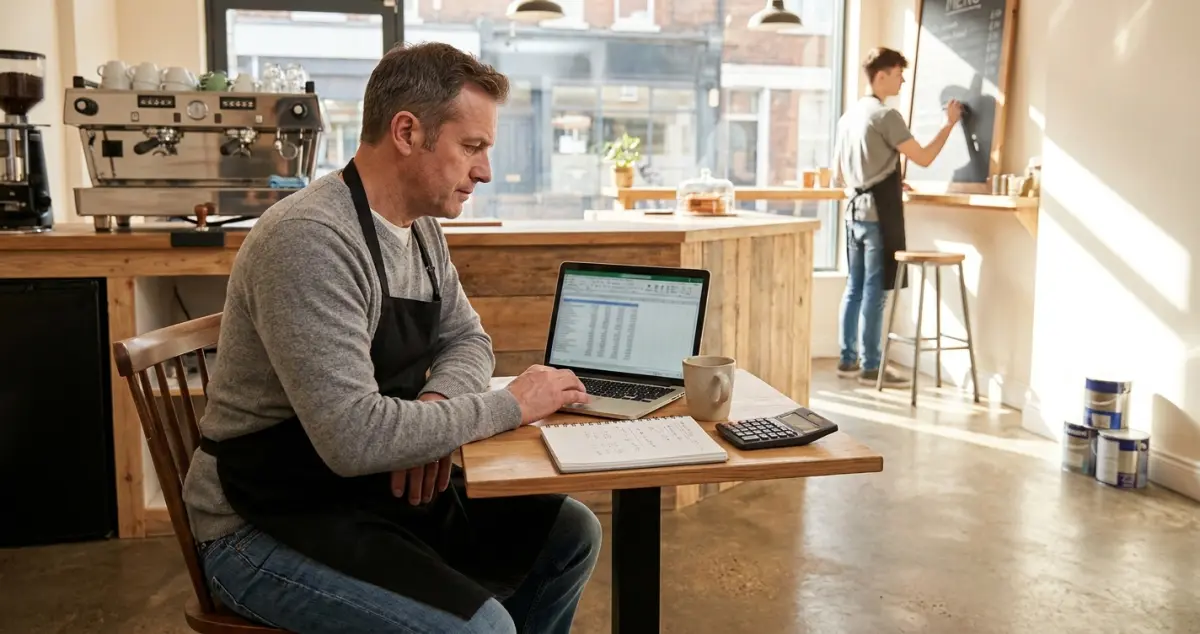
You've sketched the rough numbers on a notepad and they don't quite add up. The espresso machine alone is a five-figure decision, and that's before you've thought about the lease deposit. The honest cost of opening a coffee shop is rarely the headline figure: it's what hides in the gaps. 11 min read.
What You'll Learn
- The realistic UK startup cost ranges for different coffee shop sizes
- Where the money actually goes (and the hidden costs most first-timers miss)
- How much money you need to start a coffee shop versus how much to keep it running
- A worked example of a typical UK coffee shop opening budget
- The five biggest cost overruns and how to avoid them
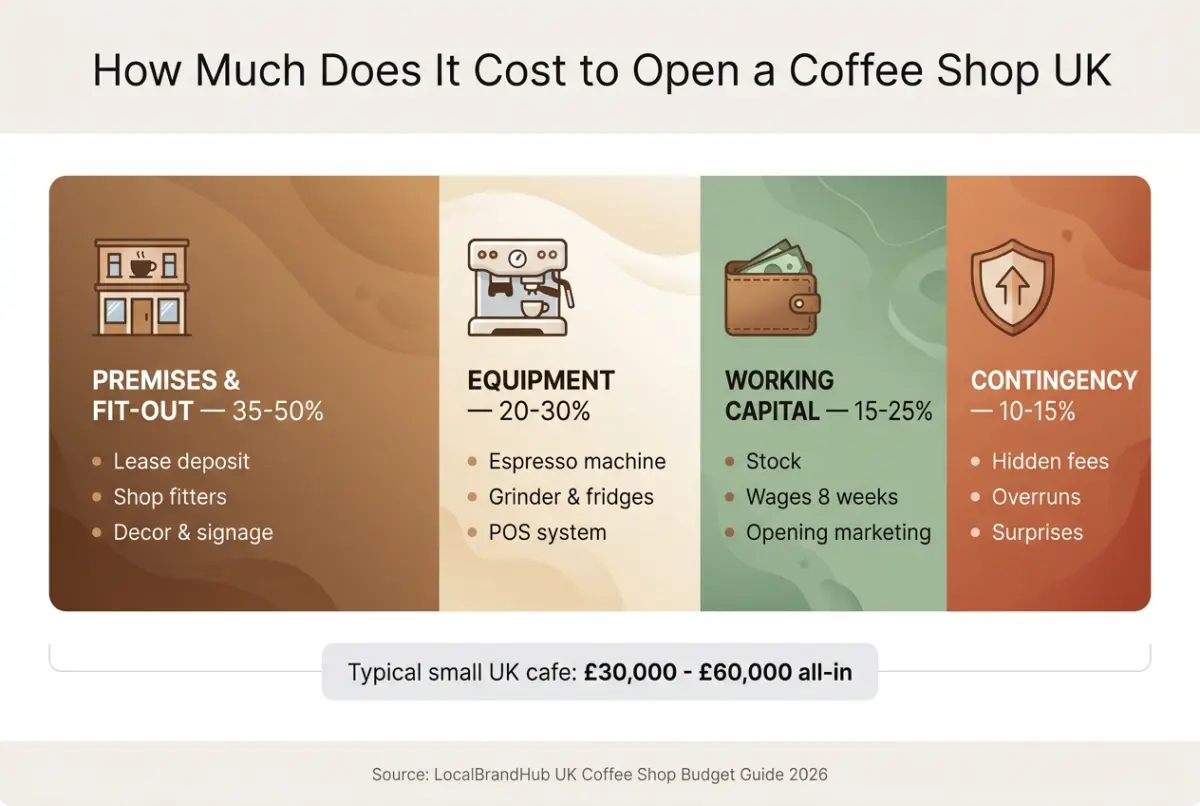
Table of Contents
- Quick Answer: UK Coffee Shop Costs
- Premises & Fit-Out Costs
- Equipment Costs
- Working Capital & First 8 Weeks
- Hidden Costs Most First-Timers Miss
- Worked Example: A Typical UK Cafe Budget
- How to Reduce Coffee Shop Startup Costs
- FAQs About Coffee Shop Opening Costs
- Key Takeaways
Quick Answer: UK Coffee Shop Costs
The cost framework for opening a coffee shop in the UK is a four-bucket model: premises, equipment, working capital, and contingency. How much does it cost to open a coffee shop overall? It depends entirely on which bucket you're willing to compress and which one you protect.
Related: How to Start a Coffee Shop
Related: Coffee Shop Business Plan Guide
The UK has more than 28,000 coffee outlets (Allegra World Coffee Portal, 2025) and the spread of opening costs is huge: from sub-£10,000 mobile van setups to £150,000+ premium London units. For most independent owners opening a small high-street cafe, the realistic range is £30,000 to £60,000.
| Cost Bucket | Typical Range | Share of Total |
|---|---|---|
| Premises & fit-out | £10,000-£60,000 | 35-50% |
| Equipment | £8,000-£30,000 | 20-30% |
| Working capital | £5,000-£15,000 | 15-25% |
| Contingency | £3,000-£10,000 | 10-15% |
For example, a 30-cover cafe in a regional UK town might land at around £35,000 all-in: £15,000 fit-out, £9,000 equipment, £8,000 working capital, and £3,000 contingency.
Pro Tip: Build the contingency line first. Most overruns come from skipping it on the spreadsheet then borrowing from it in real life.
Premises & Fit-Out Costs
Premises is typically the biggest line in any answer to "how much does it cost to open a coffee shop". It covers the lease deposit, first month's rent, shop-fitter charges, plumbing, electrical works, decor and signage.
What's Included
- Lease deposit: typically three to six months' rent
- First month's rent: paid up front
- Solicitor fees: for lease review (typically £500 to £1,500)
- Shop fitters: counter build, plumbing, flooring, ceiling
- Decor and signage: paint, light fittings, shopfront branding
- Building survey: if the unit hasn't been a cafe before
Cost Range
For a small UK high-street unit, expect £10,000 to £60,000 on premises and fit-out combined. The biggest variable is whether the unit is already a fitted-out cafe (cheap) or a shell (expensive).
For example, a former hairdresser's unit converted into a cafe in a regional town might need £18,000 of fit-out: counter build, plumbing reroute for the espresso machine, new flooring, and a deep clean. A unit that was already a cafe might need just £4,000 of decor.
Pro Tip: Always negotiate a rent-free period of one to three months at lease start. Landlords often agree, especially on units empty for a while: that's potentially several thousand pounds back into the budget.
Equipment Costs
Equipment is the second-biggest line in most coffee shop budgets. It's also where the biggest single decision sits: the espresso machine.
The Espresso Machine
A new two-group commercial espresso machine typically starts at around £4,500 and runs into five figures for high-end models. A reputable refurbished machine from a UK supplier can cut that meaningfully, but never buy refurbished without a service contract.
The Rest of the Kit
Beyond the espresso machine, the major equipment lines for a UK independent are:
- Espresso grinder (mid-three to low-four figures)
- Filter brewer plus grinder (low to mid four figures)
- Undercounter milk fridge and display fridge for food
- Commercial dishwasher
- POS system plus card reader
- Furniture for 10 to 15 covers
- Water filter system to protect the machine
Total Equipment Range
A typical small UK coffee shop spends £8,000 to £30,000 on equipment. Premium speciality cafes can run higher.
If you're only watching the espresso machine price you'll always lose to operators who budgeted for the full kit list. That never works as a single-line decision: total equipment needs the spreadsheet view.
Working Capital & First 8 Weeks
Working capital is the cash you need to keep the lights on while revenue catches up. It's the line most under-budgeted in answers to how much does it cost to open a coffee shop.
What Working Capital Covers
- Initial stock: beans, milk, pastries, packaging
- Staff wages for the first 8 to 12 weeks
- Marketing spend for opening week and the first two months
- Utility bills (electricity, water, broadband, music licensing)
- Insurance premiums (public liability, employer's liability, contents)
How Much You Actually Need
Most UK independents need £5,000 to £15,000 of working capital on top of the fit-out and equipment spend. Cafes serving food typically need more because of pastry stock and food packaging.
For example, a small cafe with two part-time baristas at minimum wage might need around £4,500 just for staff wages over the first eight weeks, before stock, marketing or utilities are factored in.
If you can't tell whether your working capital line is realistic or just optimistic that's usually a sign you haven't built a week-by-week cash flow forecast yet. The same goes for the opening marketing budget in that line: it's worth working out what a small, steady spend could actually return before you guess at the figure.
Hidden Costs Most First-Timers Miss
The honest answer to how much does it cost to open a coffee shop usually has a 10 to 20% gap between the first-draft budget and the real spend. The gap lives in these hidden costs.
- EPC (Energy Performance Certificate): required to lease commercial premises
- PRS for Music & PPL licences: for playing any music in the shop, even radio
- Asbestos survey: for older buildings before fit-out
- Council planning permission: if you're changing use class
- Trade waste contract: commercial bin collection
- Card reader fees: a small percentage of card revenue
- Stock loss during training: first two weeks of staff making mistakes
For example, a cafe in Glasgow might budget for the obvious costs but find a few thousand pounds in hidden fees (EPC, asbestos check, music licensing, and a planning application), pushing the real total higher than first planned.
Why this matters: A 10% miss on a £30,000 budget is £3,000 of cash you didn't plan for. That's three months of staff wages.
Worked Example: A Typical UK Cafe Budget
Here's a worked example for opening a small 30-cover UK high-street cafe in a regional town. Use it as a starting template: your numbers will vary.
Premises & Fit-Out: ~£15,000
The bulk goes into the lease deposit (typically three months rent), first month's rent, solicitor fees for lease review, and the shop fitter package covering counter build, plumbing reroute, flooring and finish.
Equipment: ~£10,000
A refurbished two-group espresso machine and grinder dominate this line, with milk fridge, display fridge, dishwasher, POS, and basic furniture for 10 to 15 covers making up the rest.
Working Capital: ~£8,000
Covers the first two months of stock (beans, milk, pastries), wages for two part-time baristas, opening week marketing, and utilities.
Contingency: ~£3,000
A 10% buffer for the inevitable unexpected costs.
Total: ~£36,000
For example, this same cafe in central London might run closer to £75,000: the fit-out and lease deposit lines roughly double, even before equipment. The model holds; the numbers scale with location.
How to Reduce Coffee Shop Startup Costs
So with the worked example out, the next question is what to cut. Every owner wants ways to bring the headline number down. Some compromises hurt the business; others don't.
Quick Pre-Spend Checklist
Before any cash leaves your account this week:
- Have you built the four-bucket budget?
- Have you priced one fit-out and one espresso machine quote?
- Have you added 10 to 15% contingency on top?
- Have you stress-tested the budget against a 3-month slow opening?
Smart Cuts
- Refurbished espresso machine with service contract: saves thousands without quality loss
- Take a fitted-out cafe space: cuts fit-out to redecoration only
- Lease furniture: converts a £2,500 lump sum into £80/month
- Negotiate rent-free period: saves up to two months' rent
- Start with a leaner menu: fewer SKUs means less stock and packaging up front
Cuts That Hurt
- Cheap bean supplier: kills your reputation in the first month
- No service contract on the espresso machine: one breakdown costs you a day's trade
- Skipping insurance: illegal and ruinous if anything happens
- Cutting marketing budget: buying yourself an empty shop on opening day
If you pick just one cost to cut, fit-out is usually the safest target: find a unit that's already a cafe and you'll save more than any other single decision.
Frequently Asked Questions About Coffee Shop Opening Costs
With the cost-cutting options covered, here are the questions UK independents ask most often when budgeting their launch.
How much does it cost to open a coffee shop in the UK on a tight budget? For a tight-budget UK launch, expect a minimum of £15,000 to £20,000 for a small cafe in an already-fitted unit, or £8,000 to £12,000 for a mobile coffee van. Below those numbers you're cutting corners that typically come back to bite you.
How much does it cost to open a coffee shop in London? London independents typically spend £60,000 to £150,000 on a small high-street unit. The lease deposit and first month's rent alone often exceed £15,000 in central locations.
How much money should I have in reserve after opening? Most UK independents recommend keeping at least 3 to 6 months of operating costs in reserve after opening day. For a small cafe with around £6,000 to £8,000 monthly running costs, that's £18,000 to £48,000 of reserve cash on top of the launch budget.
Can I open a coffee shop with no experience? Yes, but expect to pay an "experience tax" in the first six months: slower service, higher waste, missed compliance details. Most owners without industry experience benefit from working a counter for at least one weekend before signing a lease.
What's the most common budget overrun? Fit-out works. Most overruns come from scope creep mid-build: "while we're at it, let's also..." conversations with the shop fitter. Lock the fit-out spec on a fixed-price quote and resist mid-job changes.
Key Takeaways: How Much Does It Cost to Open a Coffee Shop
If you run a coffee shop and want to see how Local Brand Hub can support your marketing, explore our coffee shop marketing tools.
For restaurants, salons, and local businesses
Need help with your marketing?
We help UK businesses turn social media into real results, not busywork.
Start freeKey Takeaway
Opening a coffee shop in the UK typically costs £30,000 to £60,000 for a small high-street cafe, with mobile vans coming in around a quarter of that and central London units running far higher. Build a four-bucket budget (premises, equipment, working capital, contingency) and protect a 10 to 15% buffer for the hidden costs (EPC, music licensing, fit-out scope creep) that catch most first-timers out. Cut fit-out before equipment: a fitted-out unit is the single biggest saving available without compromising the business.
Get More Marketing Tips
Practical marketing tips for UK business owners, straight to your inbox. No spam, unsubscribe anytime.
About the Author
Local Brand Hub
Empowering UK Businesses
Local Brand Hub provides comprehensive business management tools designed specifically for UK local businesses to streamline operations, automate marketing, and grow revenue.
More articlesRelated Articles
 Business Growth
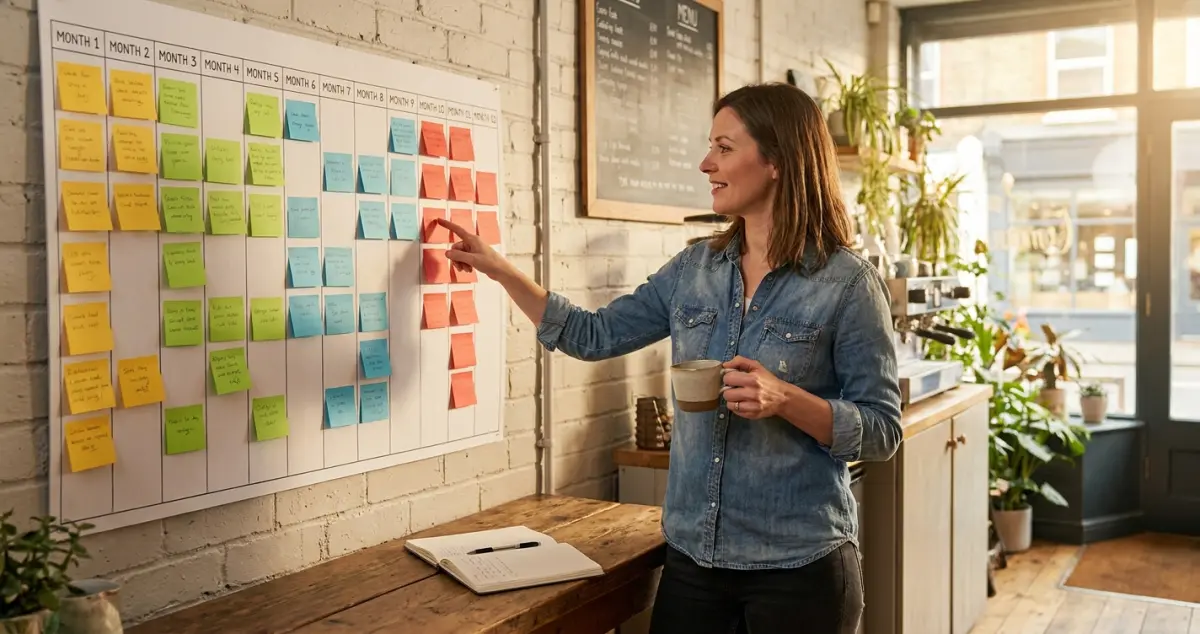
Launch a Coffee Shop: 12-Month UK Timeline
Launch a coffee shop with a 12-month UK timeline: month-by-month milestones from idea to opening day, plus the practical checklist independents use.
 Business Growth
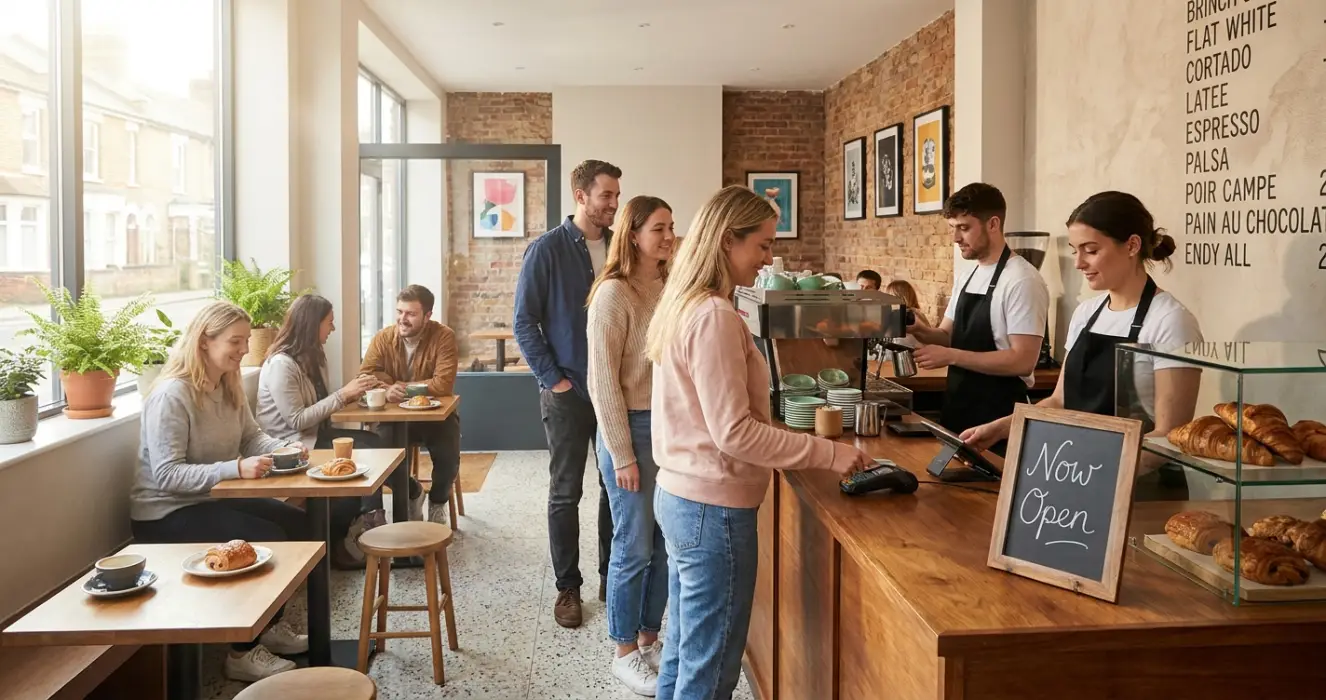
Coffee Shop Opening: Soft Launch & First Week Plan
Coffee shop opening: plan a soft launch, run your first trading week, market the launch, and turn first visitors into loyal regulars.
 Business Growth
Opening a Coffee Business: Shop, Van, Online or Roaster
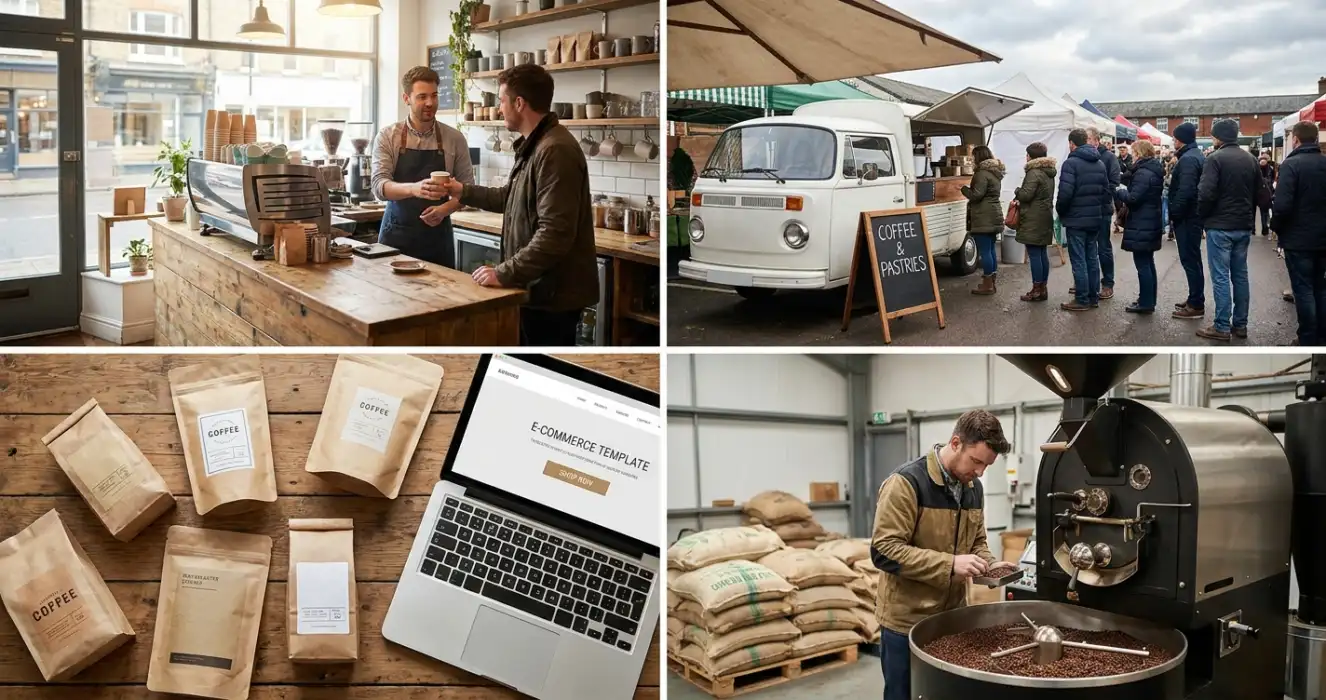
Compare the four UK coffee business models: shop, van, online and roastery, with realistic costs and how to pick the right fit for you.