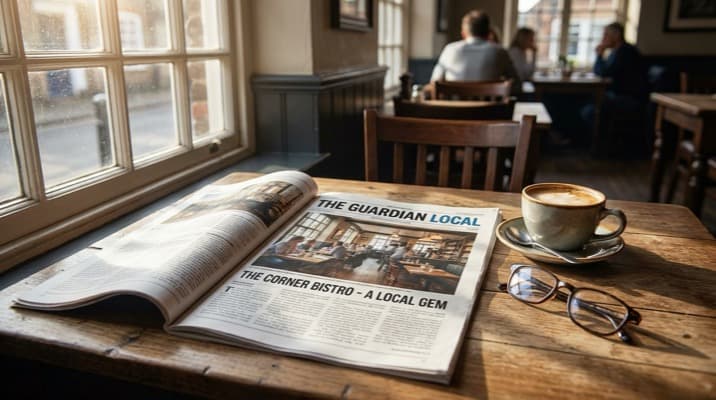
Watch the visual overview· 88 seconds
Learn how to get press coverage for your restaurant with 10 proven UK tactics. Includes pitch templates, media lists, and timing strategies.
You've spent thousands on the fit-out, months on the menu, and your team is delivering a great dining experience. Yet the local newspaper has not mentioned you once. Why? Because roughly 95% of pitches to journalists go unanswered, according to Propel.
Consumers trust earned media (news articles, reviews, and features) much more than paid ads, according to the Edelman Trust Barometer. For restaurants, a single feature can drive weeks of bookings. Learning how to get press coverage for restaurant businesses is not about luck. It is about strategy.
What You'll Learn
- 10 proven tactics showing how to get press coverage for restaurant owners without a PR agency
- How to build a targeted media list of journalists who actually cover food
- A pitch email template you can adapt for any story angle
- The timing strategies that determine whether your pitch gets read or ignored
- Common mistakes that guarantee your emails end up in the bin
Build Your Media List First
Before you pitch anyone, you need to know who to pitch. Sending a blanket press release to every journalist in the country is the fastest way to get ignored. Targeted outreach to 20 contacts will beat 500 generic emails.
Info
Related: Restaurant PR, complete PR guide
Who to Include on Your Media List
| Contact Type | Where to Find Them | Why They Matter |
|---|---|---|
| Local food writers | Your local paper's food section | Actively seek local stories |
| Regional food bloggers | Search "[city] food blog" | Engaged local audiences |
| Local radio presenters | Regional stations, food segments | Reach older demographics |
| Trade press journalists | The Caterer, BigHospitality | Industry credibility |
| Freelance food writers | Bylines in multiple outlets | Pitch editors for you |
| Instagram creators | Local hashtags and geotags | Visual, younger audiences |
Start with 20 contacts. Read their latest articles. Note what topics they cover.
For example, a gastropub in Leeds might build a media list starting with:
- The Yorkshire Evening Post food writer
- Three Leeds food bloggers found through the #LeedsFood hashtag
- The regional BBC Radio presenter who covers restaurant openings
That is five strong contacts in an afternoon.
Quality over quantity
Learning how to get press coverage for restaurant businesses isn't about volume. It's about sending the right email to the right person at the right time.
If you're thinking "I don't even know where to start", start with your local newspaper's website. Search their food section, note who writes the reviews, and you have your first five contacts.
10 Tactics That Earn Press Coverage
With that media list ready, here are the tactics. These are ordered from most accessible (anyone can start this week) to more advanced (requiring more preparation and relationships).
1. Tell a Local Story, Not a Business Story
The first rule of how to get press coverage for restaurant businesses: journalists do not cover you because you exist. They cover stories that interest their readers. The key is framing your restaurant as part of a broader local narrative.
For example, a family-run Italian restaurant in Manchester that sources all its pasta flour from a mill in the Peak District has a local sourcing story. A new seafood restaurant in Brighton that employs exclusively from a local culinary college has an employment story. Find the angle that connects your business to your community.
2. Offer Expert Commentary on Food Trends
Position yourself as a source, not just a subject. This is one of the most overlooked ways to get press coverage for restaurant owners. When a food trend hits (plant-based dining, no-waste cooking, fermentation), email your local journalists offering expert quotes from a working chef. Journalists need real voices. Being reliable leads to repeat coverage.
The strongest press results come from long-term media relationships where journalists view you as a trustworthy, quotable source (Motive PR).
3. Create Data Worth Reporting
Journalists love numbers. One of the smartest ways to get press coverage for restaurant news is tracking your own data and sharing it. "We have seen a 35% increase in midweek bookings since launching our Tuesday tasting menu." That specific data point gives a journalist a hook for a story about changing dining habits.
Even simple data helps you get press coverage for restaurant trends. "Our most ordered dish last year was..." or "Bookings for Christmas parties are up X% compared to last year" creates reportable facts.
4. Host a Press Tasting Event
Hosting a tasting event is one of the most direct ways to get press coverage for restaurant launches. Invite five to eight local journalists and food bloggers for a free tasting of your new menu. Keep it small and personal. Print a menu with sourcing notes, introduce your chef, and let the food speak.
Keep it genuine
Do not make it transactional. The invitation should feel like genuine hospitality, not a quid pro quo for a review. Journalists appreciate authentic hospitality experiences rather than overtly promotional events.
5. Use Seasonal Moments
Every season brings PR opportunities. January menus aligned with health trends. Valentine's Day tasting menus. Summer terrace openings. Autumn foraging events.
The trick is timing. Owners who want to get press coverage for restaurant seasonal stories should pitch Valentine's Day in December, summer stories in March, and Christmas in September. Mapping these out by planning your seasonal campaigns months in advance keeps you ahead of the lead times. Monthly magazines work on lead times of three to six months. Digital outlets need one to four weeks.
6. Enter Awards and Competitions
Another proven way to get press coverage for restaurant businesses: awards create multiple PR moments: the entry itself, being shortlisted, and winning. Even reaching the shortlist gives you a story. The UK has dozens of food and hospitality awards: the Cateys, National Restaurant Awards, local food awards, and AA recognition programmes.
If you can't tell whether journalists know your restaurant exists or have simply never heard of you, that's usually a sign you need to start creating reasons for them to pay attention.
7. Partner with Other Local Businesses
Collaborations are another proven way to get press coverage for restaurant businesses. A restaurant partnering with a local brewery for a beer-pairing dinner. A fine-dining place hosting a local farmer for a field-to-fork evening. Each gives journalists a story with multiple angles.
These partnerships also double your media reach. Both businesses can pitch to their respective audiences, giving you another route to get press coverage for restaurant promotions without doing all the work yourself.
8. Share Behind-the-Scenes Access
Journalists value exclusive access. If you want to get press coverage for restaurant stories that stand out, offer a kitchen tour during prep, a foraging trip with your chef, or early access to a new concept before it launches. Exclusivity creates urgency. It makes your pitch more compelling than a standard press release.
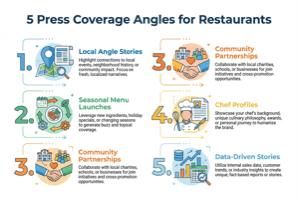
Overview of key press coverage tactics for UK restaurants
9. Write a Proper Press Release
When you have genuine news (a new opening, a significant menu change, an award win, a charity initiative), a proper press release helps you get press coverage for restaurant milestones. Keep it to one page. Lead with the news, include a quote from your chef or owner, add a fact sheet, and attach high-resolution photographs.
Info
Related: Restaurant Press Release Template, ready-to-use templates
Include the press release text in the body of your email, not as an attachment. Documents that require opening create an unnecessary barrier for busy journalists.
10. Follow Up Without Being Pushy
The final step in how to get press coverage for restaurant outreach: send your pitch, then wait five to seven days. Follow up once with a brief, friendly email referencing your original pitch. If there is no response, move on. Do not send three, four, or five follow-ups: that gets you blocked, not covered.
The reality for most restaurant owners: you will hear nothing from most pitches. That is normal. Response rates sit around 3-5%, so even a few replies from 20 targeted pitches counts as a strong result. Consistency matters more than any single email.
The Pitch Email Template
With that foundation, here is a template showing how to get press coverage for restaurant stories. Keep it short: journalists receive dozens of pitches daily.
Subject line: [Specific angle], [Your restaurant name], [Your city]
Hi [journalist first name],
I enjoyed your piece on [specific article they wrote]. [One sentence connecting their work to your story.]
[Your restaurant name] is [one sentence describing what makes you newsworthy this month]. [One sentence explaining why this matters to their readers.]
I would be happy to arrange a visit, provide photographs, or connect you with our head chef for a quote. [One sentence offering specific access.]
Best regards, [Your name] [Your restaurant] [Phone number] [Website]
For example, a seafood restaurant in Brighton might write: "I enjoyed your piece on sustainable fishing in Sussex. We have just partnered with a day-boat fisherman in Shoreham, and our chef is running a catch-of-the-day tasting menu. Would that make an interesting follow-up for your readers?"
This approach works because it shows how to get press coverage for restaurant stories that journalists actually want to tell.
What makes this work:
- Personalisation: referencing their specific article shows you have done your research
- Brevity: four short paragraphs, nothing more
- Specificity: a clear story angle, not a generic announcement
- Access: offering something concrete (visit, photographs, interview)
Timing Your Pitches
Next, let's talk about when to send your pitch. Knowing how to get press coverage for restaurant stories is only half the battle. Timing determines whether it gets read or buried.
Best Days and Times
Tuesday to Thursday mornings between 9am and 11am are generally the most effective times to send pitches to UK journalists, according to Vuelio. For example, a Cardiff bistro owner might send a Valentine's Day pitch at 9:30am on a Wednesday in early January. Monday inboxes are flooded from the weekend, and Friday pitches compete with end-of-week deadlines.
Seasonal Lead Times
| Publication Type | Lead Time | Example |
|---|---|---|
| Monthly magazines | 3-6 months | Pitch Christmas features by August |
| Weekend newspaper supplements | 4-8 weeks | Pitch Valentine's Day by early January |
| Daily newspapers | 1-2 weeks | Pitch event coverage 10 days ahead |
| Online publications | 3-7 days | Pitch trending topics within the week |
| Food bloggers | 2-4 weeks | Allow time for visit scheduling |
Avoid These Windows
- Major breaking news days: your restaurant pitch will be buried
- Bank holiday weekends: skeleton editorial teams mean fewer people reading pitches
- The week between Christmas and New Year: most editorial teams are off
Planning pays off
Understanding how to get press coverage for restaurant seasonal moments puts you miles ahead of competitors who only reach out when they have something to promote.
Common Mistakes That Kill Coverage
Finally, here's what to avoid. Even owners who know how to get press coverage for restaurant businesses make these mistakes. They are not just unhelpful: they actively damage your chances of future coverage.
Sending Generic Press Releases to Everyone
Don't just blast emails because it feels productive. Mass emails signal that you have not bothered to research the journalist. A food critic who reviews fine dining restaurants does not want a press release about your new children's menu. Personalise every pitch.
Leading with Your Business, Not a Story
"We are pleased to announce the opening of..." is not a story. For example, a zero-waste restaurant in Bristol might pitch: "The first zero-waste restaurant in the city opens this month, diverting 95% of kitchen waste from landfill." That framing gives the journalist a story. Lead with what makes your news interesting to readers, not to you.
Sending Attachments Instead of In-Body Content
Put your press release text and key photographs directly in the email body. Attachments get flagged by spam filters and create extra work for journalists. If they want high-resolution images, they will ask.
Pitching Without Photographs
Food is visual. A pitch without strong photos cuts your chances. The Food Standards Agency publishes food hygiene ratings publicly, and journalists regularly check these before agreeing to review visits.
Strong visuals and a good hygiene rating together make your pitch credible. Invest in professional food photography. Even a single session producing 20 good images gives you assets for months of pitching.
Not Having a Media Kit Ready
Ask yourself: if a journalist emailed you this afternoon asking for photos and a fact sheet, could you reply in five minutes? Owners who know how to get press coverage for restaurant stories respond within hours with everything a journalist needs. Scrambling to pull together photographs, a fact sheet, and your chef's biography costs you opportunities. Prepare a media kit in advance.
Pre-Pitch Checklist
Before you pitch
- Media list of 20 targeted contacts ready
- Professional food photos available
- One-page media kit prepared
- Story angle tied to a trend or seasonal moment
- Pitch email personalised with journalist reference
Giving Up After One Attempt
PR is a long game. Your first five pitches might get nothing. Your tenth might land a full-page feature. Most owners who learn how to get press coverage for restaurant businesses see results after six to twelve months of steady effort.
FAQs: How to Get Press Coverage for Restaurant Owners
How do I get press coverage for my restaurant in a local newspaper?
Start by identifying the food writer or lifestyle editor at your local newspaper. Read their last few articles to understand what they cover. Pitch a specific story angle, not "we opened a restaurant" but a local hook such as community partnerships, unique sourcing, or a trend you can comment on. Personalise your email, keep it brief, and include high-quality photographs.
How long does it take to get press coverage for restaurant owners?
Expect three to six months of consistent effort before seeing meaningful coverage. PR is relationship-based. Early pitches build awareness with journalists even if they do not result in immediate features. Most owners see results compounding from month three onwards.
Can I get press coverage without hiring a PR agency?
Yes. Many independent restaurants learn how to get press coverage through DIY PR. The key needs are a targeted media list, personalised pitches, strong photos, and steady effort, at least one pitch per month. Agencies become valuable when you need national coverage or lack time to manage media relationships.
What should I include in a press pitch for my restaurant?
A good press pitch includes a personalised opening referencing the journalist's work, a clear story angle (not just a business announcement), and an offer of access such as a visit, photographs, or a chef interview. Keep the entire email to three or four paragraphs maximum.
How often should I pitch journalists?
Pitch each journalist no more than once per month unless you have genuinely different stories. For your overall efforts, aim for at least one proactive pitch per month across your media list. Seasonal moments, menu changes, events, and awards provide natural pitch opportunities throughout the year. Consistency is more important than volume.
If you run a restaurant and want to see how Local Brand Hub can support your marketing, explore our restaurant marketing tools.
Key Takeaway
Key Takeaway
Mastering how to get press coverage for restaurant businesses isn't about pitching. It's about becoming the kind of source journalists come back to.
- Build a targeted media list of 20 contacts before pitching anyone: quality beats quantity
- Frame your restaurant as a story, not a business announcement: local angles, data, and expert commentary work best
- Personalise every pitch with a reference to the journalist's past work
- Time pitches for Tuesday to Thursday mornings, and plan seasonal stories three to six months ahead
- Follow up once after five to seven days, then move on: persistence matters, pestering does not
- Invest in professional food photography: visual assets make your pitch more credible
Weekly action: Identify three local journalists, draft one personalised pitch using the template above, and send it on a Tuesday or Wednesday morning. Note a follow-up reminder for five days later.
For restaurants, salons, and local businesses
Need help with your marketing?
We help UK businesses turn social media into real results, not busywork.
Start freeGet More Marketing Tips
Practical marketing tips for UK business owners, straight to your inbox. No spam, unsubscribe anytime.
About the Author
Local Brand Hub
Empowering UK Businesses
Local Brand Hub provides comprehensive business management tools designed specifically for UK local businesses to streamline operations, automate marketing, and grow revenue.
More articlesRelated Articles
 Marketing Tips
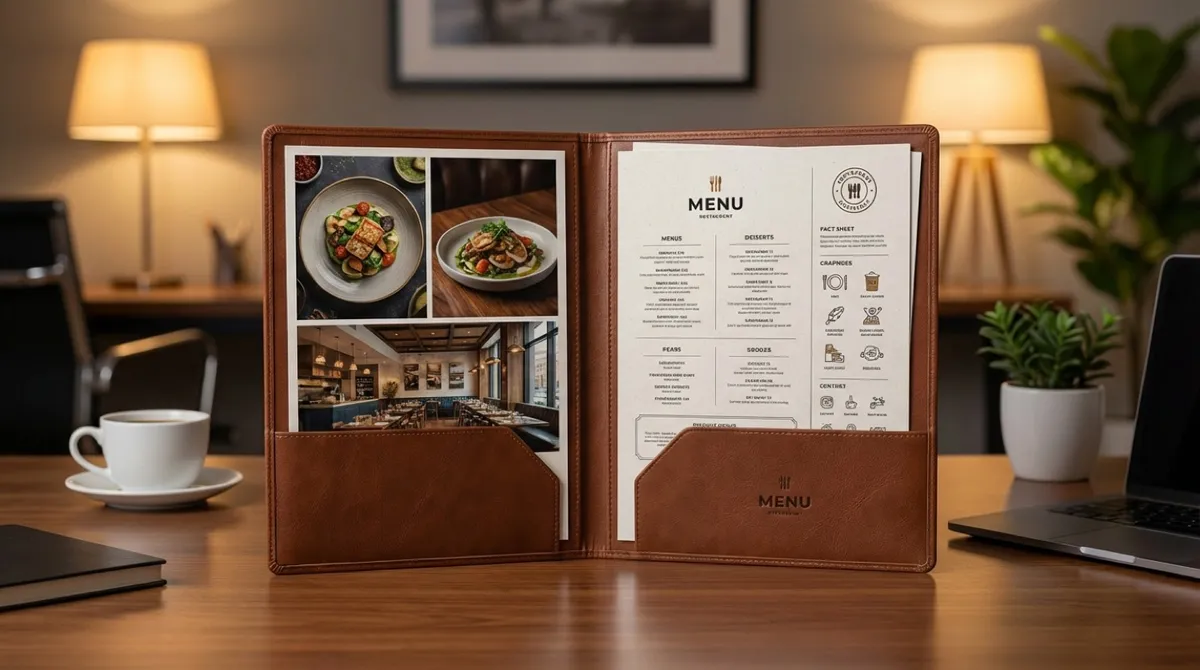
Restaurant Media Kit: 7 Must-Have Elements + Examples
Build a restaurant media kit that gets UK journalists to say yes: the 7 must-have elements, design tips, and real examples you can copy.
 Marketing Tips
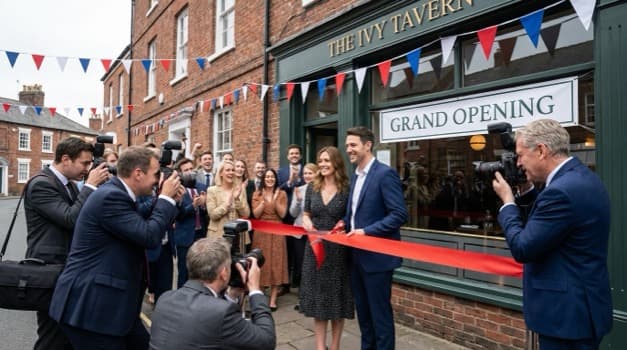
Restaurant Opening Press Release: Template + Timeline
Free restaurant opening press release template with an 8-week PR timeline. Covers drafting, distribution, media invites, and post-opening follow-up.
 Marketing Tips
Restaurant PR: UK Guide to Earning Press Coverage
Build a restaurant PR strategy that earns press coverage and attracts food bloggers. Step-by-step guide to pitching UK journalists without an agency.