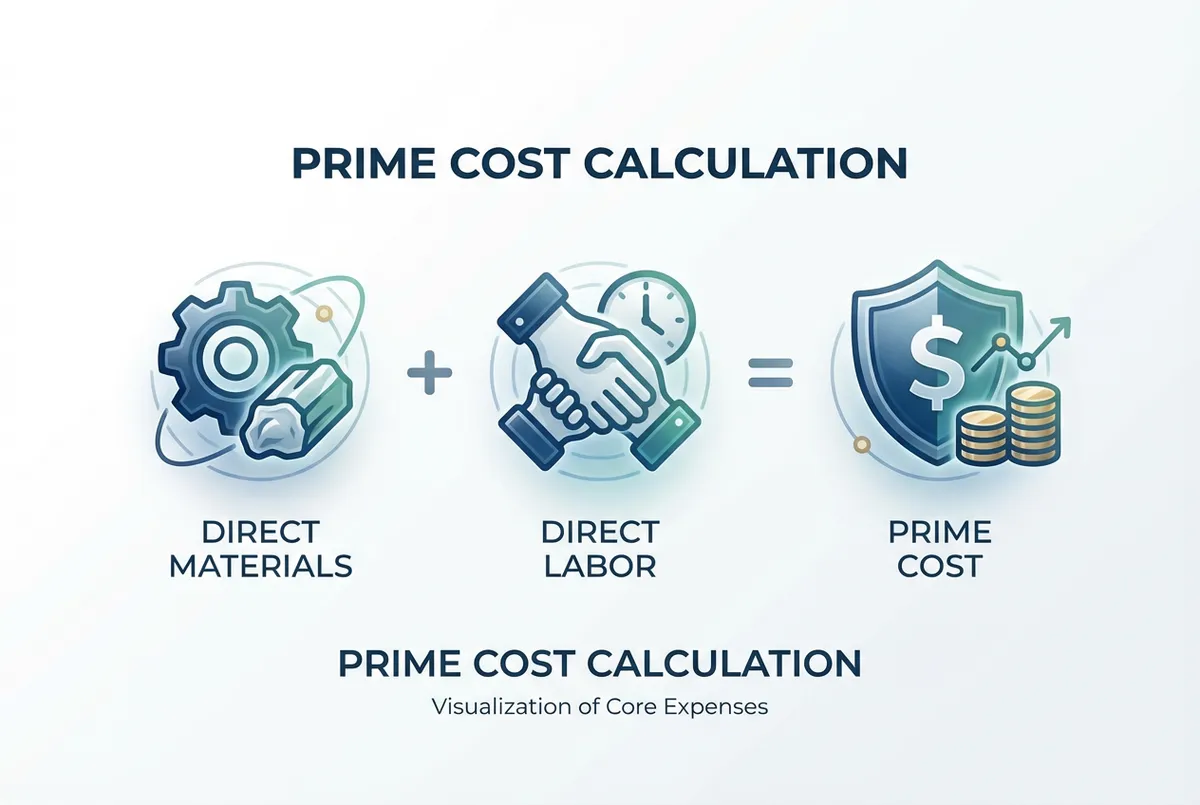
Master the 7 essential restaurant performance metrics: prime cost, labour, and retention. Make smarter, data-driven decisions without complex spreadsheets.
You're tracking sales. Maybe you're checking the till every night, comparing this week to last week. But sales alone won't tell you if your restaurant is actually profitable, or if you're quietly bleeding money through labour costs, food waste, or guests who never come back. Learning how to measure restaurant performance properly means tracking the metrics that actually matter.
What You'll Learn in This Guide
- Prime cost fundamentals: Why 55-60% determines if your restaurant survives or struggles
- Labour and COGS tracking: Separate these costs to spot where margins disappear
- Customer retention metrics: The 40-50% retention rate that turns first-timers into regulars
- Revenue efficiency measures: RevPASH and average check metrics that reveal hidden capacity
- Weekly tracking systems: Simple methods to monitor performance without spreadsheet expertise
- Common measurement mistakes: Why monthly tracking hides problems and how to fix it
Contents:
- Why Most Restaurant Owners Measure the Wrong Things
- The 7 Core Metrics Restaurants Should Track
- How To Start Tracking (Without Needing Spreadsheet Skills)
- Common Mistakes (And How To Avoid Them)
- Real Case: How To Measure Restaurant Performance in Action
- Industry Health: What The Numbers Say
- Frequently Asked Questions
According to the 2025 Restaurant Operations Benchmark Report (US data, though trends apply globally), most restaurant operators use technology tools to drive performance optimisation (HC Resource, 2025). That's not just about automation: it's about measuring what matters, tracking trends, and making corrections before a problem becomes a crisis.
This guide walks you through the seven core metrics independent restaurant owners actually track, and why they matter more than daily takings. You'll learn what to measure, what the benchmarks are, and how to use this data to make better decisions without needing a degree in finance.
17 min read | Beginner-friendly | Based on working with 50+ independent restaurants
Info
Why Most Restaurant Owners Measure the Wrong Things
Before diving into specific metrics, let's address a fundamental problem: many owners start with sales. But sales alone don't tell you if you're profitable. To measure restaurant performance correctly, you need better metrics.
A restaurant doing £15,000 a week in revenue might be less profitable than one doing £10,000 if labour costs are out of control, or if food costs are spiralling. The National Restaurant Association's Restaurant Performance Index (US industry benchmark) demonstrates that operators using real-time data make faster, more effective decisions than those relying on outdated monthly reports (National Restaurant Association, 2025).
The difference between "busy" and "profitable" comes down to tracking the right numbers. If you can't tell whether a busy Saturday brought profit or just chaos, that's usually a sign you're measuring activity instead of outcomes. Here's what matters.
The 7 Core Metrics Restaurants Should Track
With that understanding of why sales alone mislead you, here's what to measure instead. These seven metrics reveal the real health of your restaurant operation.
| Metric | Ideal Benchmark | What It Reveals |
|---|---|---|
| Prime Cost | 55-60% | Operational efficiency (labour + COGS) |
| Labour Cost % | 30-40% | Staffing efficiency |
| Food Cost % | 27-30% | Portion control and waste |
| Customer Retention | 40-50% | Guest loyalty and repeat business |
| Average Check | Varies | Revenue per transaction |
| RevPASH | Varies | Space utilisation efficiency |
| Off-Premise % | Varies | Delivery/takeaway performance |
1. Prime Cost (Your Single Most Important Number)
Prime cost is a restaurant performance metric that combines your labour costs and cost of goods sold to measure operational efficiency. It's the clearest indicator of whether your restaurant is operationally sound, with an ideal benchmark of 55-60% of total sales.
Why it matters:
If your prime cost exceeds 60%, you're not leaving enough margin for rent, utilities, marketing, and profit. Below 55%? You might be understaffing or compromising on ingredient quality.
How to calculate:
Prime Cost = (Total Labour Costs + Cost of Goods Sold) ÷ Total Sales × 100
What to do with it:
Track prime cost weekly, not monthly. Weekly tracking lets you spot problems early, like a busy Saturday where you overstaffed, or a supplier price increase you didn't notice.
Real-world example:
For instance, a gastropub tracking weekly might notice their prime cost suddenly jumped. A quick review reveals two issues: Saturday's event required extra staff (justified), but Monday's supplier delivery included a price increase on beef (needs negotiation). Without weekly tracking, that cost increase would've stayed hidden in monthly averages, bleeding money before anyone noticed.
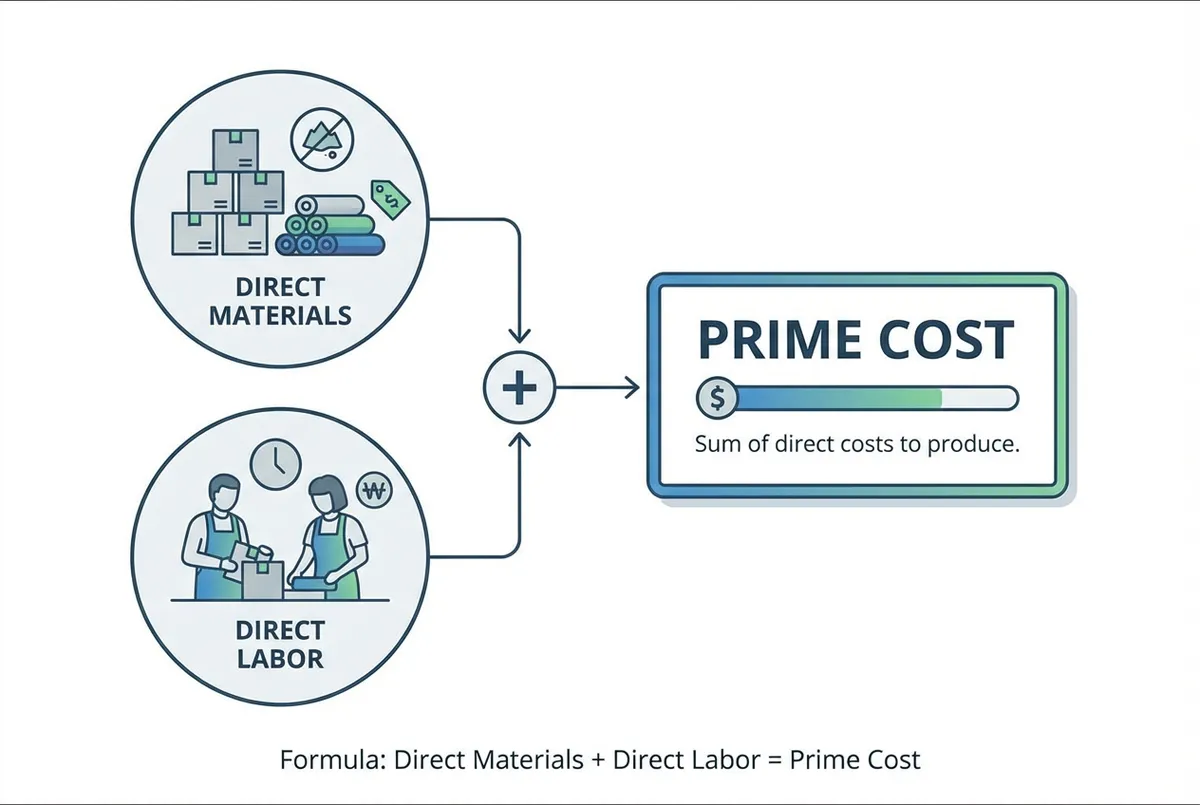
Prime cost breakdown: labour + COGS as a percentage of sales
Info
Related: Understanding Restaurant Prime Cost
2. Labour Cost Percentage
Prime cost shows the big picture, but breaking down labour separately reveals scheduling efficiency. Labour is typically your biggest single expense: track it separately to understand how efficiently you're scheduling staff. See our guide on restaurant labour cost management for more detail.
Ideal benchmarks: Quick-service restaurants target around 30% of sales; full-service restaurants typically run 36-40%. The UK Government's business support guidance recommends tracking labour costs as a percentage of revenue to maintain healthy margins (gov.uk, 2025).
Formula:
Labour Cost % = (Total Labour Costs ÷ Total Sales) × 100
What this tells you:
High labour percentage? You're likely overstaffed, paying above market rates, or not generating enough revenue per staff hour. Too low? You're risking service quality and staff burnout.
What to do with it:
Review your rota weekly. Labour costs should flex with demand: busy Saturdays justify higher staffing, quiet Tuesdays don't. If you're consistently above target, try shaving one shift from quieter days.
Real-world example:
For example, a bistro running high labour costs might realise they're scheduling three servers on Tuesday lunch when two would suffice. That one shift saves money weekly without impacting service quality. But if complaints spike when you cut too deep, you're saving pennies and losing pounds through poor reviews and lost regulars.
3. Food Cost Percentage (COGS)
Labour tells half the prime cost story. Food costs tell the other half.
Cost of goods sold (COGS) tracks how much you spend on ingredients and drinks relative to sales. This number shows whether your menu is priced correctly and whether waste or theft is eating into margins.
Ideal benchmark: Around 27-30% depending on service type
The calculation:
Food Cost % = (Cost of Ingredients ÷ Total Sales) × 100
Why it creeps up:
Food costs rise for three reasons: supplier price increases, portion inconsistency, and waste. If your food cost percentage jumps suddenly, don't just blame inflation. Check your bins, audit portion sizes, and review supplier invoices.
Quick fixes:
- Implement weekly inventory checks
- Standardise portions with measuring tools
- Simplify your menu to reduce waste
- Negotiate supplier contracts annually
Real-world example:
For instance, a café running high food costs implements portion control scoops for coffee grounds and standardises sandwich fillings. Within weeks, food cost drops significantly, saving money monthly without changing menu prices or quality. Small changes, measurable impact.
4. Customer Retention Rate
Controlling costs matters, but only if customers come back. That's where retention becomes critical when measuring restaurant performance: most restaurants lose money on first-time customers. Profitability comes from repeat visits.
A good customer retention rate for restaurants falls between 40-50%. This measures the percentage of customers who return after their first visit (US retention benchmarks from Bloom Intelligence, 2025; UK patterns are similar).
Why it matters:
If you're spending money on Facebook ads to bring in new customers, but most never come back, you're pouring money into a leaky bucket.
Measuring retention:
Retention Rate = (Customers who returned ÷ Total customers) × 100
Most POS systems track this automatically. If yours doesn't, compare repeat transactions month-over-month.
What to do about it:
Build a system that brings people back: stamp cards, weekly emails, or members-only events. Respond to guest feedback within 48 hours. If someone leaves a 3-star review on Google, replying the same day might save the relationship; replying a week later won't.
Info
5. Average Check Size
Retention brings customers back. Average check size determines what they spend when they return, and it's one of the easiest metrics to influence.
Average check size tells you how much each customer spends per visit. It's one of the easiest metrics to influence without spending money on ads.
The maths:
Average Check = Total Sales ÷ Number of Transactions
How to increase it:
- Train staff to suggest starters, sides, or desserts
- Highlight high-margin items with menu design
- Bundle offers ("Add a dessert for £3")
- Offer premium upgrades ("Make it a double for £2 extra")
Real-world example:
For example, a café increasing average check size by just a couple of pounds doesn't sound dramatic. But multiply that across hundreds of transactions weekly, and you're generating thousands in additional annual revenue, without serving a single additional customer.
6. Revenue per Available Seat Hour (RevPASH)
Higher check sizes help, but space efficiency determines your ultimate revenue ceiling. This is where RevPASH comes in.
RevPASH measures how efficiently you're using your dining room. It's especially useful for full-service restaurants where table turnover matters.
RevPASH formula:
RevPASH = Total Revenue ÷ (Number of Seats × Operating Hours)
Example: Calculate revenue divided by total seat hours:
Total Revenue ÷ (Number of Seats × Operating Hours) = RevPASH
Why it matters: Sales alone don't account for capacity. A restaurant with fewer seats generating similar revenue is more efficient. RevPASH shows whether you're maximising the space you have, or if you need to rethink table layouts, booking policies, or opening hours.
7. Off-Premise Sales Percentage
RevPASH focuses on dine-in efficiency, but modern restaurants generate revenue beyond the dining room. As of 2025, delivery and takeaway account for a significant portion of total restaurant sales (US benchmark from HC Resource, 2025; UK trends follow similar patterns).
Working it out:
Off-Premise % = (Delivery + Takeaway Sales ÷ Total Sales) × 100
Why it matters:
Off-premise sales don't require additional seating. A restaurant doing £15,000 a week with 30 seats and £6,000 in delivery revenue is far more efficient than one doing £15,000 solely from dine-in: it's growth without real estate costs.
What to optimise:
- Simplify your delivery menu (fewer items = faster prep)
- Price delivery items to cover platform fees
- Offer direct ordering to avoid third-party commissions
- Track delivery performance separately from dine-in
Real-world example:
For instance, a pizza restaurant tracks off-premise sales and discovers delivery represents a large portion of revenue but generates fewer complaints than dine-in. They double down on delivery marketing, streamline the delivery menu, and see off-premise revenue grow significantly within months, all without adding tables or expanding the dining room.
Info
How To Start Tracking (Without Needing Spreadsheet Skills)
You've got the metrics. But knowing how to measure restaurant performance is only half the challenge: the other half is building a system you'll actually use. You don't need a finance degree. You need a simple system you'll actually stick to. For the marketing side of performance, visibility, reviews, and repeat visits, weekly reports can pull the numbers together for you automatically.
Weekly tracking checklist:
- Record total sales
- Record labour costs (wages + tax)
- Record food costs (inventory + invoices)
- Calculate prime cost percentage
- Track repeat customer rate (if POS allows)
- Review average check size
- Compare week-over-week trends
Most modern POS systems (Square, Toast, Lightspeed) auto-calculate these metrics. If yours doesn't, a simple spreadsheet works perfectly well. Track weekly, review monthly, adjust quarterly.
Example: For instance, a café owner using Square can pull a weekly report showing total sales, labour hours, and COGS in under five minutes. The same report highlights whether prime cost is trending up or down compared to the previous week.
If you only have 30 minutes a week:
Focus solely on prime cost, the single most important restaurant performance metric.
- Monday (10 mins): Pull last week's sales, labour, and COGS numbers from your POS
- Monday (5 mins): Calculate prime cost percentage: (Labour + COGS) ÷ Sales × 100
- Monday (5 mins): Record the number in your tracking sheet
- Friday (10 mins): Review the trend over the last four weeks: is it rising, falling, or stable?
If prime cost is above 60%, fix that first. Once you've mastered how to measure restaurant performance through prime cost, then move on to RevPASH and off-premise percentages.
Start on Monday
Start tracking on Monday, not mid-week. Full weekly cycles (Monday-Sunday) give cleaner data than partial weeks. Starting mid-cycle means seasonal patterns and weekend spikes distort your baseline.
Common Mistakes (And How To Avoid Them)
With your tracking system in place, let's address the pitfalls that trip up even experienced operators. Knowing how to measure restaurant performance is one thing; avoiding common measurement mistakes is another.
Tracking monthly instead of weekly
Monthly tracking hides problems: a bad week disappears into the average. When you measure restaurant performance weekly instead of monthly, you can course-correct before small issues become big losses.
Reality check:
If you're thinking "I barely have time to check the till, let alone track metrics weekly", start with just prime cost. A few minutes on Monday morning reviewing last week's numbers beats a lengthy monthly deep-dive that's already outdated.
Comparing yourself to chains
Your local gastropub shouldn't benchmark against Nando's. Compare yourself to similar independent restaurants in your segment, or compare yourself to last year's performance.
Why this matters:
For instance, a small indie bistro comparing their labour costs to McDonald's feels discouraged unnecessarily. McDonald's operates at scale with automation you don't have. Understanding how to measure restaurant performance against the right benchmarks, similar-sized independents, gives you actionable insights instead of false comparisons.
Ignoring retention
If you're spending £500 a month on Facebook ads but losing most customers after one visit, that's not a marketing problem. That's a retention problem. When learning how to measure restaurant performance, many owners focus on acquisition metrics while ignoring the retention numbers that actually drive profitability.
The fix:
Fix retention before scaling acquisition.
Tracking everything (and using nothing)
More metrics don't equal better decisions. Track 5 to 7 core numbers consistently rather than 20 sporadically. Data only helps if you actually use it.
Ask yourself: "Would I trust my own data to make a £5,000 decision?" If not, you're tracking metrics you don't understand or trust. Simplify.
Real Case: How To Measure Restaurant Performance in Action
Theory is useful, but nothing beats seeing these principles applied to a real business. Here's a case study showing how to measure restaurant performance transformed one gastropub's profitability.
Based on our experience working with independent restaurants, this pattern appears frequently. A gastropub in Bristol had strong weekly sales but barely broke even. The owner tracked sales religiously but didn't know how to measure restaurant performance properly. When they started tracking the right metrics, the numbers revealed the problem:
- Prime cost: too high (should be 55-60%)
- Labour cost: significantly above target
- Customer retention: far below healthy levels
Actions taken:
- Adjusted Tuesday/Wednesday rotas to match actual demand
- Standardised portions to control food costs
- Launched a simple loyalty card to improve retention
Result: Prime cost dropped into the healthy range. Same sales, significantly more profit weekly. This pattern is typical: tracking the right numbers and acting on them makes the difference.
Industry Health: What The Numbers Say About 2025
Beyond your own metrics, understanding the broader industry context helps you benchmark effectively. Here's why measuring restaurant performance matters even more in the current economic climate.
The Restaurant Performance Index (US industry benchmark) shows that operators using real-time data make faster, more effective decisions (National Restaurant Association, 2025). Customer traffic remains a concern across the sector.
What this means for your restaurant:
Sales growth is slowing. Traffic is declining. That makes efficiency, prime cost, retention, average check, more important than ever. You can't rely on foot traffic alone. Knowing how to measure restaurant performance accurately and acting on the data is what separates thriving independents from those who struggle.
Weekly Action: Start Measuring What Matters
Reading about metrics won't improve your restaurant; implementing them will. Here's your action plan for the next 30 days:
This week:
- Calculate your prime cost using last week's sales, labour, and food costs
- Set up a simple tracking spreadsheet with columns for: Date | Sales | Labour | COGS | Prime Cost %
- Review one metric weekly starting with prime cost, and track trends over four weeks to spot patterns
Within 30 days: 4. Add retention tracking if your POS supports it 5. Set weekly targets for prime cost and labour percentage 6. Review trends monthly and adjust staffing schedules or menu pricing based on data
You don't need to track everything to measure restaurant performance effectively. Start with prime cost. That one number will tell you more about your restaurant's health than sales ever will.
For UK restaurant owners
Simplify Your Performance Tracking
If you're thinking 'I don't have time to manage all this data manually,' you're not alone. LocalBrandHub's AI-powered tools track performance, flag issues, and suggest corrections so you can focus on running the restaurant instead of running spreadsheets.
Start freeFrequently Asked Questions
Still have questions? Here are the answers to what operators ask most often when measuring restaurant performance.
What is the most important restaurant performance metric?
The prime cost metric is a framework that combines labour costs and cost of goods sold to measure operational efficiency. It should stay between 55-60% of total sales. If it's above 60%, you're not leaving enough margin for other expenses and profit.
How often should I track restaurant performance metrics?
Track restaurant performance metrics weekly, not monthly. Weekly tracking lets you spot problems early and make corrections before small issues become big losses. Most modern POS systems can automate this tracking.
What is a good customer retention rate for restaurants?
The customer retention rate metric is a framework that measures the percentage of guests who return after their first visit, showing whether your restaurant builds loyalty or loses customers. An ideal rate falls between 40-50%. Focus on bringing back first-time visitors within 90 days.
How do I calculate my restaurant's prime cost?
Prime Cost = (Total Labour Costs + Cost of Goods Sold) ÷ Total Sales × 100. Add your labour and food costs, divide by total sales, then multiply by 100 to get the percentage.
Why is my labour cost percentage so high?
If you're consistently above target for your service type, you might be overstaffed, not generating enough revenue per staff hour, or scheduling inefficiently. For example, a café discovered they were scheduling three baristas on Tuesday mornings when two could handle the traffic. Review your rota weekly and adjust staffing to match demand.
Key Takeaways: How to Measure Restaurant Performance Effectively
If you run a restaurant and want to see how Local Brand Hub can support your marketing, explore our restaurant marketing tools.
Key Takeaways: How to Measure Restaurant Performance Effectively
- Prime cost (55 to 60%) is your single most important metric: it combines labour and food costs to show operational health
- Weekly tracking beats monthly reporting: spot problems early, make corrections fast
- Retention matters more than acquisition: most guests never return, representing significant lost opportunity
- Off-premise sales matter: track delivery and takeaway separately to optimise performance
- Labour and food costs should be tracked separately from prime cost to understand where margins disappear
- RevPASH reveals space efficiency: measure revenue per seat hour to optimise layouts and booking policies
- Average check increases drive profitability: small increases compound into significant annual revenue
Track what matters. Fix what's broken. Measure weekly. That's how to measure restaurant performance effectively, and how independent restaurants stay profitable when margins are tight and traffic is falling.
This guide was developed by our restaurant operations team with input from accountants and hospitality consultants who specialise in independent restaurant profitability.
Get More Marketing Tips
Practical marketing tips for UK business owners, straight to your inbox. No spam, unsubscribe anytime.
About the Author
Local Brand Hub
Empowering UK Businesses
Local Brand Hub provides comprehensive business management tools designed specifically for UK local businesses to streamline operations, automate marketing, and grow revenue.
More articlesRelated Articles
 Business Growth
Restaurant Key Performance Indicators: Track What Works
Track 5 restaurant KPIs: prime cost, food %, labour %, table turns, gross profit. Formulas, benchmarks, and templates included.
 Operations
Restaurant KPI Dashboard: Build One That Gets Used
Build a restaurant KPI dashboard on one screen: which tabs to make, how to pull numbers from your till and rota, and the Monday review that keeps it alive.
 Operations
Restaurant Sales Metrics: The 6 Numbers That Actually Matter
The 6 restaurant sales metrics that predict profitability. The 30/30/30 rule, POS tracking systems, and real examples for UK restaurants.