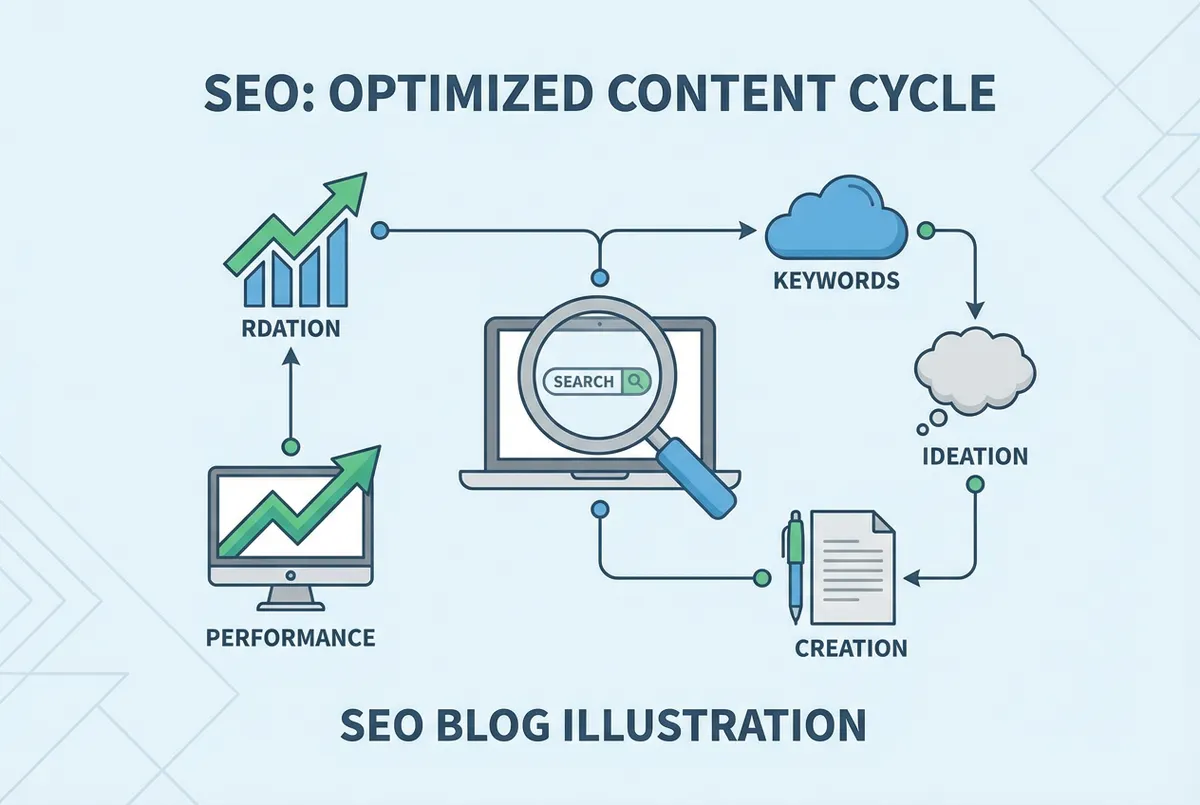
Compare in-house online ordering against Just Eat, Deliveroo, and Uber Eats. Real UK commission rates and break-even calculations for each option.
You're watching 30% of every delivery order disappear before it reaches your till. Delivery apps promised more customers, but the maths stopped adding up months ago. Meanwhile, some restaurants seem to take orders directly and keep every penny. You're wondering if there's a better way.
Online ordering vs delivery apps comes down to control versus convenience. Delivery apps like Deliveroo, Just Eat, and Uber Eats handle logistics but take substantial commissions. Direct online ordering systems let you keep more profit but require you to manage delivery yourself. For most UK restaurants, the right answer isn't one or the other. It's knowing when each makes sense.
The UK takeaway and delivery market reached approximately £23 billion in 2025, with 40% of consumers ordering up to three food deliveries weekly (Statista, 2025). That's significant revenue up for grabs. The question is how much of it actually lands in your account.
This guide compares direct online ordering with third-party delivery apps. You'll see real commission rates, true costs, and honest recommendations for different restaurant types.
Quick verdict: If you have reliable delivery drivers and steady local demand, direct ordering typically delivers stronger margins. If you're building awareness or can't handle delivery logistics, apps remain valuable for visibility. Most successful restaurants use both strategically.
Related: Restaurant online ordering for the complete guide to taking orders digitally.
What You'll Learn
- Real commission rates for major UK delivery apps
- True costs of direct online ordering systems
- Which option works better for different restaurant types
- How to calculate your break-even point
- Strategies for using both without cannibalising profits
Contents:
- Understanding the Two Approaches
- Delivery App Commission Rates
- Direct Online Ordering Costs
- Head-to-Head Comparison
- Which Works for Your Restaurant
- The Hybrid Strategy
- Key Takeaways
- Weekly Action
- FAQ
Understanding the Two Approaches
Now that you understand the stakes, let's look at what each approach actually means for your restaurant.
What Are Delivery Apps?
Third-party platforms like Deliveroo, Just Eat, and Uber Eats that handle ordering, payment, and often delivery. You list your menu, they bring customers, and you prepare the food.
The trade-off: You reach customers who might never find you otherwise. But you pay commission on every order and lose control over the customer relationship.
For example, a new Thai restaurant in Manchester might use Just Eat for six months to build awareness, accepting the 30% commission as marketing spend while their reputation grows.
What Is Direct Online Ordering?
Direct online ordering is a framework where customers order through your own website, a branded app, or a dedicated ordering platform. The direct online ordering approach means customers order straight from you. You keep their data, build the relationship, and typically pay flat fees rather than percentages.
The trade-off: You keep more profit per order but need to drive your own traffic and potentially handle delivery logistics.
For instance, an established gastropub with loyal regulars might set up Square Online ordering and save £800 monthly by moving repeat customers away from Deliveroo.
Related: Restaurant ordering app options for building your own ordering channel.
Delivery App Commission Rates: The Real Numbers
With the basics covered, let's examine the numbers that matter most: what delivery apps actually cost you.
Just Eat Commission Rates
Just Eat offers two tiers based on delivery responsibility:
| Service Level | Commission Rate |
|---|---|
| Your own drivers | 14% of order value |
| Just Eat delivery | 30% of order value |
No joining fee, but that 30% adds up quickly. That's often your entire margin on the meal.
Uber Eats Commission Rates
Uber Eats typically charges around 30% commission when using their delivery network (Dephna, 2025). Rates can vary based on your agreement.
Deliveroo Commission Rates
Deliveroo's commission ranges between 20-30% per order, with most restaurants seeing 20-25% on average orders (UpMenu, 2025). Like competitors, rates depend on delivery arrangements and order values.
Don't just accept the first rate they offer because these are often negotiable, especially if you have volume.
The Commission Reality Check
A typical restaurant works on 60-70% food cost including labour and overheads. If you're paying significant commission, your margin on delivery orders becomes razor-thin, or negative.
Real example: A Birmingham curry house tracked a £30 delivery order. Through Deliveroo at 30% commission, they kept £5 profit. Through their own website with flat fees, they kept £13.50, nearly triple the margin on identical food.
Related: Restaurant commission free ordering explores platforms that skip the percentage cut entirely.
Direct Online Ordering Costs
Those commission rates look painful. But what does the alternative actually cost? Direct ordering isn't free, but the cost structure differs significantly from delivery apps.
Typical Cost Components
| Cost Type | Typical Range | Notes |
|---|---|---|
| Monthly platform fee | £30-150 | Covers ordering software |
| Transaction fees | Around 2% | Card processing |
| Setup/integration | £0-500 | One-time cost |
Monthly total for most restaurants: £50-200 fixed, plus transaction fees. At £5,000 monthly delivery revenue, you might pay over £1,000 to apps versus £150-300 for direct ordering. The difference funds a part-time delivery driver with money left over.
Commission-Free Alternatives
Some platforms like Foodhub operate on subscription models rather than commissions. Restaurants pay fixed monthly fees, often £50-100, without per-order percentages. This can save substantial amounts at volume. Research suggests restaurants can save approximately £2,000+ monthly compared to commission-based apps when order volumes are high (GMDirectHire, 2025).
Why this matters: Commission-free models become increasingly valuable as your order volume grows. A restaurant doing 200 delivery orders monthly at £25 average would pay £1,500 to apps at 30%, versus perhaps £100 on a subscription platform.
Head-to-Head Comparison
With the costs clear, let's see how these options compare side by side.
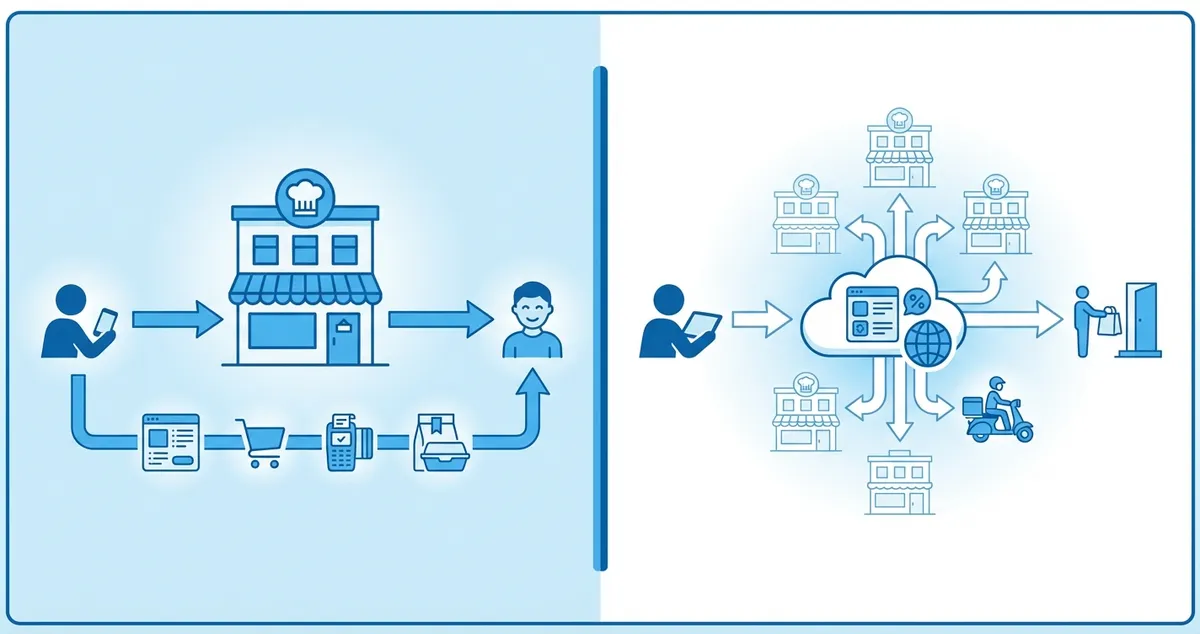
Online Ordering vs Delivery Apps comparison diagram
Here's how online ordering vs delivery apps stack up across key factors:
| Factor | Delivery Apps | Direct Online Ordering |
|---|---|---|
| Commission/fees | 14-30% per order | Fixed monthly + approx 2% |
| Customer data | Platform owns it | You own it |
| Marketing reach | Built-in audience | Requires your effort |
| Delivery logistics | Often handled | You arrange or partner |
| Menu control | Platform constraints | Full flexibility |
| Brand visibility | Shared with competitors | Your brand only |
| Customer loyalty | Platform loyalty | Restaurant loyalty |
The Data Ownership Problem
Here's something delivery apps don't advertise: they own your customer relationships. When someone orders through Just Eat, Just Eat has their email, phone, and ordering history. You get a ticket to prepare.
If you can't tell whether your delivery orders are bringing new customers or just cannibalising dine-in business, that's usually a sign you need better data ownership.
Customers who order direct can join your loyalty programme, receive your promotions, and build a relationship with your brand, not with an app that shows them competitors on the next scroll.
Customer Preferences Are Shifting
The perception that customers prefer apps isn't fully accurate. Research indicates 58% of customers prefer ordering through a restaurant's own app or website when given a convenient option (NCR Voyix, 2025).
Customers cite convenience, customisation options, and loyalty points as key reasons for ordering direct. If your direct ordering experience matches the convenience of apps, many customers will choose you.
Related: Restaurant delivery system covers building reliable delivery operations.
Which Works for Your Restaurant Type
So which approach suits you? The online ordering vs delivery apps debate doesn't have a universal answer. Your situation determines what works.
Delivery Apps Work Better When:
- You're new and building awareness. Apps put you in front of people who don't know you exist yet. The commission is essentially marketing spend.
- You can't handle delivery logistics. No drivers? No delivery infrastructure? Apps solve that problem, for a price.
- Order volumes are unpredictable. Paying percentage-based fees means costs scale with demand. No orders means no fees.
For example, a new poke bowl concept in Leeds might use Deliveroo exclusively for six months while testing demand. Once they're doing 100+ orders weekly, they can justify investing in direct ordering infrastructure.
Direct Ordering Works Better When:
- You have reliable delivery capability. Your own drivers or a delivery partner means apps become optional.
- You've built local brand recognition. Customers already know you and would order direct if given the option.
- Margins are tight. When 25-30% commission makes delivery unprofitable, direct ordering becomes essential.
For instance, an established fish and chip shop with two delivery drivers and a loyal customer base might save £15,000+ annually by moving regular customers to their own ordering system.
The "Both" Scenario
For many restaurants, the answer is strategic use of both channels. Use apps for discovery and reaching new customers, then convert those customers to direct ordering for repeat business.
If you're reading this after a tough Saturday rush, feeling like you barely have time to cook let alone manage ordering channels, you're not alone. Most restaurant owners feel the same way. The good news is small changes compound. Converting just five regular customers from apps to direct ordering can save you hundreds monthly.
The Hybrid Strategy: Using Both Effectively
Rather than picking one or the other, the smartest restaurants use each channel for its strengths.
Step 1: Calculate Your Break-Even
Know exactly what commission rate makes delivery unprofitable. For most restaurants, this sits around 20-25% of order value. Above that threshold, you're subsidising delivery rather than profiting from it. To see the gap at your own order volume, work out what direct ordering could save you by shifting repeat customers off the apps.
For example, a pizza restaurant in Sheffield calculated that orders under £18 lost money through Uber Eats at 30% commission. They set their app minimum order to £15 while keeping their own website minimum at £10, directing cost-conscious customers to the more profitable channel.
Step 2: Segment Your Channels
- Apps: New customer acquisition, areas without your own delivery, overflow demand
- Direct: Regular customers, your delivery zone, orders where margin matters
Step 3: Create Switching Incentives
Give app customers reasons to order direct next time:
- Include a card with direct ordering details and a discount code in every delivery bag
- Offer loyalty points only through direct ordering
- Provide exclusive menu items or combos for direct customers
- Set slightly lower prices on your own platform (reflecting your lower costs)
Step 4: Track and Optimise
Monitor what percentage of orders come through each channel. Successful restaurants often aim for 60%+ direct orders, using apps primarily for discovery.
If you're thinking "this sounds like more work", you're not wrong. But that work has a clear return: keeping an additional 15-25% of every order value.
If you're only reviewing your ordering channels when it's quiet you'll always lose to competitors who treat this as part of daily operations.
Key Takeaways
If you run a restaurant and want to see how Local Brand Hub can support your marketing, explore our restaurant marketing tools.
Key Takeaways
That's the complete picture. Here's what matters when comparing online ordering vs delivery apps:
Delivery app commissions range from 14-30% depending on the platform and service level. Just Eat takes 14% if you deliver, 30% if they do. Uber Eats and Deliveroo typically charge 20-30%.
Direct online ordering costs roughly £50-200 monthly plus transaction fees around 2%. At £5,000 monthly volume, you might save £1,000+ compared to apps.
You lose customer data with apps. The platform owns the relationship. Direct ordering lets you build loyalty and market to customers repeatedly.
Most restaurants benefit from using both strategically. Apps for discovery and reach, direct for margin and loyalty.
Weekly Action
If you only have 30 minutes this week, do this:
Day 1-2: Pull your delivery app statements. Calculate exactly what percentage you're paying per order across all platforms.
Day 3-4: Research direct ordering options. Look at Square Online, Orderable, or commission-free platforms like Foodhub. Get actual pricing for your order volume.
Day 5-7: Calculate the monthly difference. At your current order volume, how much would you save moving 50% of orders to direct? That number tells you whether it's worth pursuing.
The maths will either show you're fine or that you're leaving thousands in commission that could fund improvements, staff, or marketing elsewhere.
Ask yourself: Would my regular delivery customers order direct if I made it easy for them?
Need help choosing the right ordering system? Restaurant online ordering covers your options in detail.
Frequently Asked Questions
Still have questions? Here are the most common ones when comparing direct ordering with delivery platforms.
What percentage do delivery apps take in the UK?
Commission rates typically range from 14-30% depending on the platform and service level. Just Eat charges 14% with your own drivers, or 30% for their delivery. Uber Eats and Deliveroo typically charge 20-30%.
Is direct online ordering cheaper than delivery apps?
Generally, yes. Direct ordering platforms typically charge fixed monthly fees plus small transaction fees. At any meaningful order volume, this works out substantially cheaper than paying percentages to apps.
Do customers prefer delivery apps or ordering direct?
Research suggests 58% of customers prefer ordering through a restaurant's own app or website when given the option. Convenience remains key: if your direct ordering is as smooth as app ordering, many customers will switch.
Can I use both delivery apps and direct ordering?
Yes, and most successful restaurants do. The strategy typically involves using apps for customer discovery while pushing repeat customers toward direct ordering. Include direct ordering cards with app orders and offer incentives like loyalty points or slight discounts to encourage switching.
What's the best commission-free ordering platform in the UK?
Several platforms offer commission-free models. For example, Foodhub operates on subscription pricing. One London kebab shop switched from Deliveroo and saves roughly £1,200 monthly. Orderable and similar WordPress plugins charge flat fees. Square Online is free to start with transaction fees only. The "best" depends on your existing technology stack, order volume, and whether you need integrated delivery management.
Get More Marketing Tips
Practical marketing tips for UK business owners, straight to your inbox. No spam, unsubscribe anytime.
About the Author
Local Brand Hub
Empowering UK Businesses
Local Brand Hub provides comprehensive business management tools designed specifically for UK local businesses to streamline operations, automate marketing, and grow revenue.
More articlesRelated Articles
 Operations
Restaurant Commission Free Ordering: Keep Every Sale
Restaurant commission free ordering helps UK owners keep 15-30% more per order. Compare platforms, see setup costs, and calculate your potential savings.
 Operations
Restaurant Takeaway System: Complete 2026 UK Guide
Compare UK restaurant takeaway systems that cut third-party app fees by up to 30%. Free and paid platforms ranked for independents.
 Operations
Best Online Ordering System for Restaurant: UK Prices
Compare the best online ordering system for restaurant use in the UK on the prices Square, storekit and GloriaFood publish, plus the checks first.