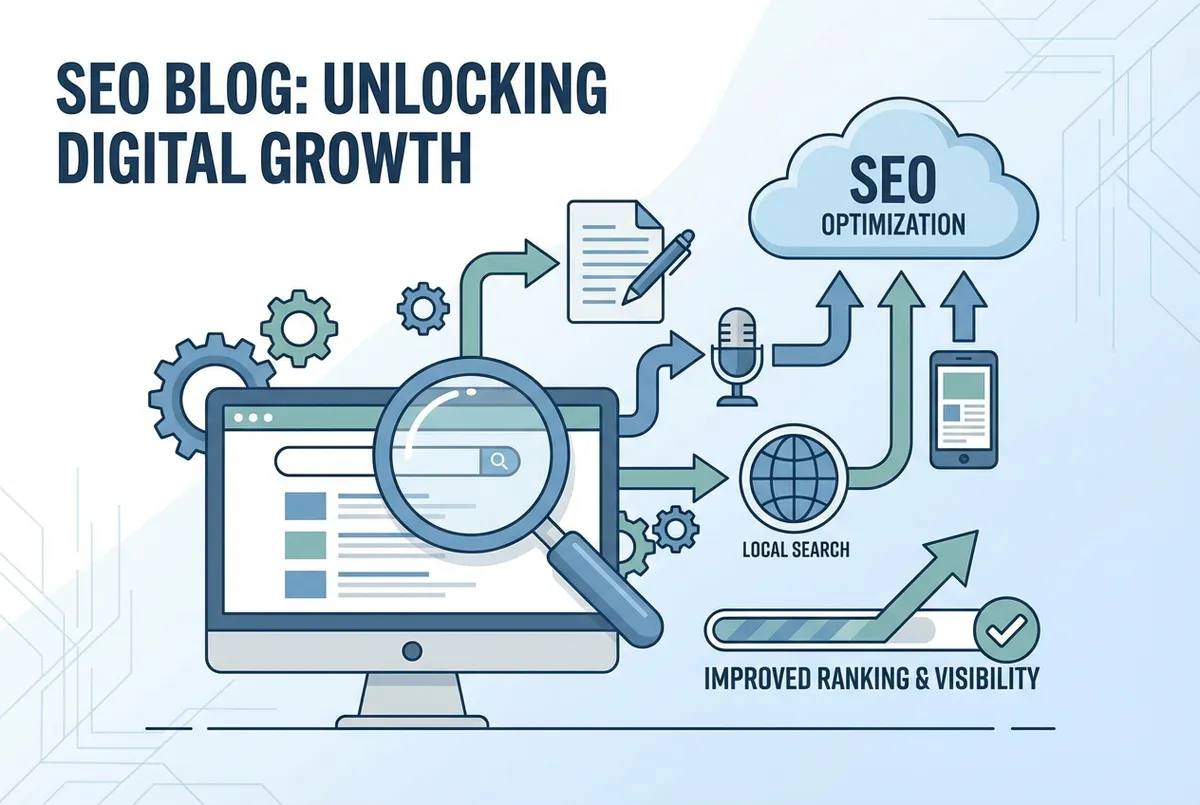
Learn how restaurant citations boost your local search rankings. Complete guide to UK citation sources, NAP consistency, and building your online presence.
Restaurant citations are online mentions of your business name, address, and phone number across directories, review sites, social platforms, and mapping services: forming a critical foundation for local SEO because they help Google verify your business is real and located where you claim, with citation signals accounting for about 7% of local pack ranking factors.
Your restaurant's name, address, and phone number appear in dozens of places online. Directories. Review sites. Social platforms. Mapping services. Each mention is a restaurant citation. Together, these citations form a critical foundation for your local SEO success: they help Google trust that your business is real and located where you say.
According to Moz's Local Search Ranking Factors research, citation signals account for about 7% of local pack ranking factors. That might sound small. But in competitive markets, 7% can mean the difference between appearing in Google's top three results and being invisible on page two. This guide shows you how to build and maintain restaurant citations that strengthen your local search presence.
Related: Restaurant Local SEO (hub page)
What You'll Learn
Here's what this guide covers:
- What citations are and why they matter for restaurant SEO
- The most important UK citation sources for restaurants
- How to audit and fix citation inconsistencies
- A prioritised approach to building new citations
What Are Restaurant Citations?
Let's establish the basics. A citation is any online mention of your restaurant's core business information: typically your Name, Address, and Phone number (NAP). Citations can appear on business directories, review platforms, social media profiles, food delivery apps, and local news sites.
Structured vs Unstructured Citations
Structured citations appear in business directories with standardised fields:
- Google Business Profile
- TripAdvisor
- Yell.com
- Yelp UK
Unstructured citations are mentions in blog posts, news articles, or social media:
- Local food blogger reviews
- "Best restaurants in [city]" articles
- Chamber of commerce mentions
- Local newspaper features
Both types matter for SEO. But structured citations in major directories carry more weight for your ranking.
Why Citations Matter
If you're thinking "I'm already on Google, why does anywhere else matter?" Here's why. Google checks your information across the web. When your NAP appears the same across trusted directories, Google gains confidence your business is real and your location is correct.
BrightLocal research shows businesses in more directories rank higher in local search. Citations are trust signals. Multiple sources confirming the same info validates your business.
Related: Restaurant Google Business Profile
The NAP Consistency Rule
Moving from concepts to specifics: this is where most restaurants go wrong with restaurant citations. Your NAP must be identical everywhere. Not similar. Identical.
What Consistency Means
Your address must match exactly:
- "123 High Street" on Google
- "123 High Street" on TripAdvisor
- "123 High Street" on Yell.com
- "123 High Street" on your website
NOT:
- "123 High St" (abbreviated)
- "123 High Street, Unit 2" (extra detail)
- "123 High Street, London" (city added sometimes)
Phone numbers too:
- Use one format: 020 7123 4567
- Not: +44 20 7123 4567 on one site and 02071234567 on another
Why Inconsistency Hurts
Google's algorithm struggles with inconsistent restaurant citations. It can't confidently link them to the same business. According to Moz, even minor variations like "St" vs "Street" can dilute your citation power.
Real example: A pizza restaurant in Manchester had three phone numbers across directories. Their old number. A call tracking number. Their current number. After fixing this to one number everywhere, their local pack ranking jumped from position 6 to position 2 in eight weeks.
Essential UK Citation Sources for Restaurants
Not all directories are equal. Here's where to prioritise your restaurant citations efforts, listed in order of importance.
Tier 1: Critical (Must Have)
These directories carry the most SEO weight and customer traffic. According to BrightLocal, businesses listed on all four Tier 1 directories rank 23% higher in local search on average.
| Directory | Notes |
|---|---|
| Google Business Profile | Foundation of all local SEO |
| TripAdvisor | High authority, tourist traffic |
| Yelp UK | Important for urban restaurants |
| Facebook Business | Social signals, direct bookings |
Tier 2: Important (Should Have)
Strong UK directories that support your local presence:
- Yell.com: Traditional directory with good domain authority
- Thomson Local: Established UK business directory
- OpenTable: If you use their booking system
- The Good Food Guide: Adds credibility for quality restaurants
- DesignMyNight: Popular for bars and experiential dining
Tier 3: Supporting (Nice to Have)
Additional directories that strengthen your citation profile:
- Foursquare/Swarm: Powers many third-party apps
- Apple Maps: Growing importance for iPhone users
- Bing Places: Microsoft's directory
- Scoot: Free UK business directory
- FreeIndex: General UK directory
Industry-Specific Citations
Depending on your restaurant type:
- Just Eat/Deliveroo/Uber Eats: If you offer delivery
- Local council directories: Many councils list local businesses
- Chamber of Commerce: B2B credibility
- Wedding venue directories: For restaurants doing functions
Pro Tip
Quality matters more than quantity. Twenty consistent, accurate citations on authoritative sites beats 100 inconsistent listings on obscure directories.
Real example: A Thai restaurant in Bristol built just 15 high-quality citations. No mass submissions. Within three months, they appeared in the local pack for "Thai food Bristol" for the first time. They beat restaurants with twice as many citations.
How to Audit Your Restaurant Citations
Before building new citations, audit what exists, ideally alongside a full local SEO checklist so nothing slips through. You might be surprised what's out there: old addresses, wrong phone numbers, or duplicate listings.
Manual Audit Process
According to Whitespark research, the average UK business has 40-60 citations across the web. Here's how to find yours:
- Google your restaurant name and review the first 3-5 pages of results
- Note each directory listing you find
- Check NAP accuracy on each listing
- Record discrepancies in a spreadsheet
What to Look For
- Different address formats
- Old phone numbers
- Previous trading names
- Duplicate listings (same restaurant, two entries)
- Incorrect business categories
- Wrong opening hours
Tools for Citation Auditing
Several tools automate citation discovery:
- BrightLocal: Comprehensive citation tracker
- Moz Local: Citation monitoring
- Whitespark: Citation finder
For a single restaurant, manual auditing is sufficient. Tools make more sense for multi-location businesses.
Action Check
If you can't tell where your restaurant appears online, that's a sign an audit is overdue. Most restaurants discover 5-10 listings they didn't know existed.
Fixing Citation Inconsistencies
With your audit complete, now you have to fix the problems. This is tedious but essential for restaurant citations SEO.
Priority Order for Fixes
According to BrightLocal data, 68% of consumers would stop using a local business if they found incorrect information online. Here's where to fix first:
- Google Business Profile: Fix first; this is your most important citation
- Tier 1 directories: TripAdvisor, Yelp, Facebook
- Your own website: NAP in footer should match exactly
- Tier 2 directories: Yell, OpenTable, etc.
- Everything else: Work through systematically
How to Fix Listings
Claimed listings: Log in and update directly
Unclaimed listings: Most directories let you claim ownership by:
- Receiving a postcard with verification code
- Receiving an automated phone call
- Email verification
Stubborn listings: Some directories require:
- Emailing support directly
- Providing proof of business ownership
- Waiting weeks for changes to process
Dealing with Duplicate Listings
Duplicate listings confuse Google and split your reviews. For each duplicate:
- Identify which listing is most accurate
- Claim the correct listing
- Report the duplicate for removal
- Contact directory support if needed
Real example: A cafe in Edinburgh found three TripAdvisor listings. One had their old name. One had the wrong address. One was correct. It took two months to fix. But afterward, TripAdvisor traffic jumped 40% because reviews were no longer split across listings.
Related: Restaurant Local Pack Ranking
Building New Restaurant Citations
Once existing citations are cleaned up, you can build new ones strategically.
Submission Process
For each new directory:
- Check if your restaurant already exists (avoid duplicates)
- Create an account if required
- Enter your NAP exactly as it appears on Google
- Add complete information (hours, photos, menu link)
- Verify if required (postcard, phone, email)
Tips for Quality Citations
- Complete every field: Empty fields signal an incomplete business
- Use consistent descriptions: Your 150-word description can be similar across directories
- Upload quality photos: The same professional photos you use elsewhere
- Choose specific categories: "Italian Restaurant" not just "Restaurant"
Timeline Expectations
Building a solid citation profile takes time:
- Week 1-2: Audit existing citations
- Week 3-4: Fix inconsistencies
- Week 5-8: Build Tier 1 and 2 citations
- Ongoing: Add Tier 3 citations gradually
For most restaurants, this becomes background work. About 15 minutes a week. Add or check one citation at a time.
Key Takeaways
If you run a restaurant and want to see how Local Brand Hub can support your marketing, explore our restaurant marketing tools.
Restaurant Citations Essentials
Effective restaurant citations require:
- NAP consistency: Your name, address, and phone must match exactly everywhere
- Quality over quantity: Focus on authoritative directories first
- Regular audits: Check for and fix inconsistencies quarterly
- Complete profiles: Fill every field, add photos, include hours
- Patience: Citation building is a long-term investment
This is part of our comprehensive Restaurant Local SEO guide.
Weekly Action
This week, start your citation audit:
- Day 1-2: Google your restaurant name and list every directory where you appear
- Day 3-4: Check your NAP on each listing: note any inconsistencies
- Day 5-7: Fix the three most important inconsistencies (Google, TripAdvisor, your website)
Schedule a quarterly calendar reminder to audit citations and catch any that have changed or appeared.
For UK restaurants
Need help managing restaurant citations?
LocalBrandHub handles citation auditing, consistency monitoring, and local SEO in one platform built specifically for restaurants.
See how it worksGet More Marketing Tips
Practical marketing tips for UK business owners, straight to your inbox. No spam, unsubscribe anytime.
About the Author
Local Brand Hub
Empowering UK Businesses
Local Brand Hub provides comprehensive business management tools designed specifically for UK local businesses to streamline operations, automate marketing, and grow revenue.
More articlesRelated Articles
 Marketing Tips
Google Business Profile Verification Restaurant Guide
Google Business Profile verification explained step-by-step. Methods, troubleshooting tips, and why verified profiles get 4x more visits.
 Marketing Tips
Local SEO for Restaurants: What Google Says It Ranks
Local SEO for restaurants, built on Google's own ranking documentation: why your position moves with the customer, and the weekly routine that holds.
 Marketing Tips
Restaurant Outdoor Signage: A-Boards & More
Choose the right restaurant outdoor signage for your UK venue. Compare A-boards, projecting signs, fascia options, costs and planning permission rules.