Master restaurant food photography with lighting, composition & styling tips. Professional techniques that boost bookings:no expensive equipment needed.
You've just plated something beautiful. The lighting's perfect, you've got your phone ready, and then... it looks nothing like it does in front of you. The colours are wrong, the steam's gone, and somehow a £28 dish looks like a meal deal.
That gap between what you see and what your camera captures costs you bookings. People scroll Instagram to decide where to eat, and if your food doesn't look worth the trip, they're booking somewhere else. According to UK Hospitality, visual presentation increasingly influences dining decisions, particularly among younger customers.
This isn't about buying expensive cameras or hiring photographers every week. Based on our experience helping dozens of UK restaurants, it's about understanding what makes food look good in photos and learning techniques you can use with the equipment you already have.
What You'll Learn About Restaurant Food Photography
- How to photograph food using basic equipment you already have
- The 20-60-20 and 3:1 photography rules that professionals use
- What food photographers charge and when hiring makes sense
- Common mistakes that ruin restaurant food photos (and how to fix them)
- A simple weekly system to build your photography skills without disrupting service
Info
Related: Restaurant Photography
Table of Contents
- How to photograph food for a restaurant?
- What is the 20-60-20 rule in photography?
- How much does a food photographer earn?
- What is the 3:1 rule in photography?
- How to photograph food professionally?
- When to Hire a Professional vs. DIY
- Key Equipment for Restaurant Food Photography
- Common Mistakes That Ruin Restaurant Food Photography
- Weekly Action: Build Your Photography System
- FAQ: Restaurant Food Photography
How to photograph food for a restaurant?
Let's start with the fundamentals: the building blocks that every good food photo shares.
Restaurant food photography requires three elements: proper lighting, thoughtful composition, and timing. Natural light from a window works better than overhead fluorescents, placing dishes slightly off-centre creates visual interest, and you typically have 90 seconds before hot food stops looking fresh.
Here's what works in practice.
1. Use natural light whenever possible. Position your setup near a large window during daylight hours. The soft, diffused light from a window typically eliminates harsh shadows and brings out the true colours of your dishes. Avoid shooting directly under overhead lights, which often create unflattering shadows and colour casts.
2. Shoot from the right angle for each dish. Flat dishes like pizzas and charcuterie boards typically work best shot from directly above. Burgers, layer cakes, and anything with height often benefit from a 45-degree angle that shows both the top and side. Soups and drinks usually look better from straight on to emphasise depth.
3. Keep the background simple. Your food should be the star. Use neutral surfaces like wooden tables, slate, or plain linens. Remove salt shakers, menus, and other clutter from the frame. Props should support the dish rather than competing with it, a principle that professional food stylists consistently emphasise.
4. Work quickly with hot food. Steam disappears, garnishes wilt, and sauces congeal quickly. Prep everything first: set up your lighting, frame your shot, and adjust your camera settings before the food arrives. When the dish is ready, work fast to capture optimal freshness.
For instance, a gastropub might set up a simple shooting station near their kitchen window during afternoon prep. When service starts, they've already captured three new menu items with nothing more than an iPhone and focused work.
Food photography setup process diagram
So you've got the basics. But what happens when you're shooting and the results still look amateur?
Test Before Plating
Test your setup with a placeholder dish (even a cup of tea) before plating the real thing. This saves your signature dishes from sitting while you adjust settings.
What is the 20-60-20 rule in photography?
Now that you understand the basics, let's look at time management. The 20-60-20 rule is a framework that allocates 20% of your effort to planning and setup, 60% to shooting and composition, and 20% to editing. This prevents both under-preparation (rushing the shot) and over-editing (making food look artificial).
In restaurant food photography, this translates to specific time allocations. Spend roughly a third of your time on setup, most of your time shooting from different angles, and the final portion on basic editing for colour correction.
Info
Why this rule works: Many amateur photographers rush straight to shooting without proper setup, or spend hours editing mediocre photos. The 20-60-20 framework prevents both extremes.
For restaurants, here's what this looks like in practice:
Planning phase (20%):
- Choose which dishes to shoot
- Clean and prep the shooting area
- Gather props and set up lighting
- Do test shots to check camera settings
- Decide whether to shoot ingredients separately
Shooting phase (60%):
- Multiple angles of each dish
- Variations in composition and styling
- Take multiple shots per dish
- Experiment with framing
- Capture the raw material you'll work with
Editing phase (20%):
- Basic colour correction
- Cropping for composition
- Light adjustments to brightness and contrast
If you're spending more than 20% of your time editing, you're likely trying to fix fundamental problems that should have been addressed during setup or shooting.
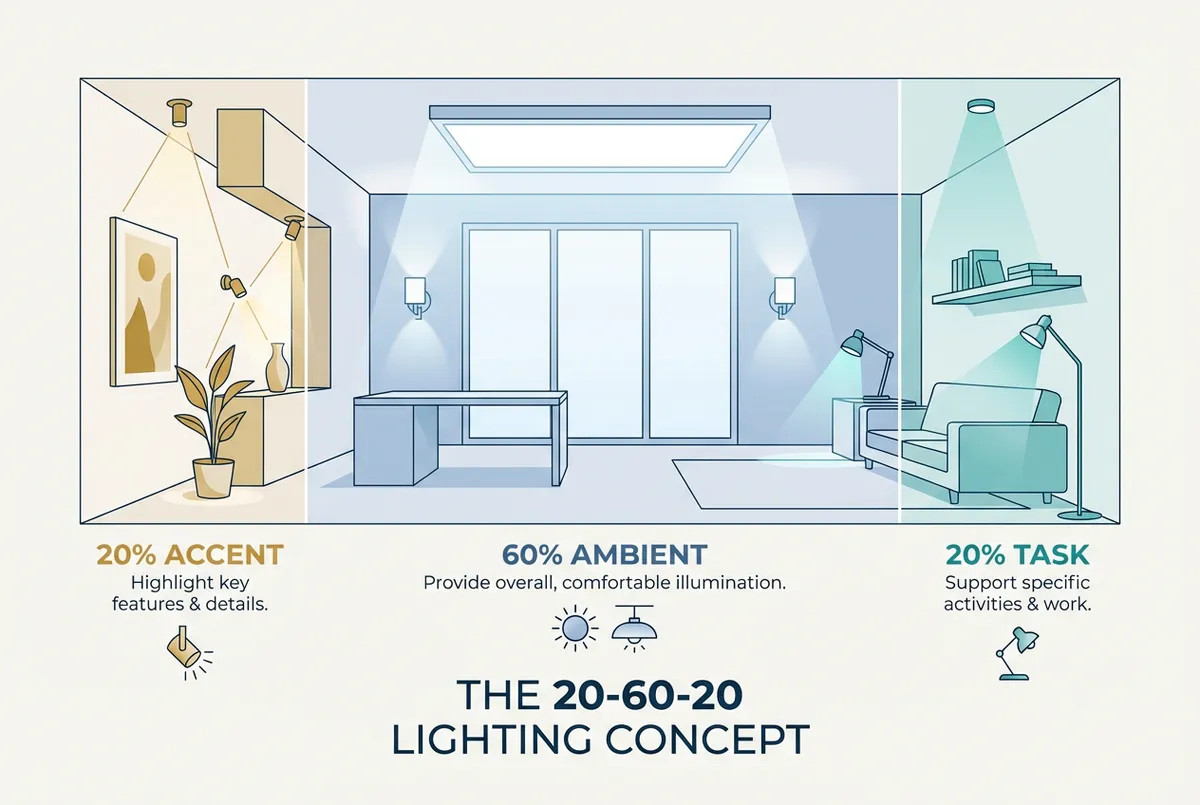
20-60-20 rule visualization
That framework helps with time management. But what about when you're considering hiring someone instead of doing it yourself?
How much does a food photographer earn?
When it comes to professional rates, here's what to expect. Professional food photographers in the UK typically charge between £200-£800 per shoot for restaurant work, with day rates ranging from £500-£1,500 depending on experience, location, and deliverables.
These rates typically include several hours on location, professional equipment and lighting, basic editing, multiple high-resolution final images, and usage rights for social media and websites.
For example, a seafood restaurant in Brighton might pay £450 for a half-day shoot covering 12 signature dishes. That investment yields 12-15 hero images usable for 6-12 months across their website, menus, and social channels, working out to roughly £30-40 per image for professional-quality results.
If you're comparing the cost of hiring a professional versus investing in your own equipment, here's the reality: A decent camera setup suitable for food photography costs £800-£1,500. If you need regular content for weekly posts, learning to shoot your own food typically pays for itself within a few months.
However, if you're updating your menu photography once or twice a year, hiring a professional often makes more sense. They'll deliver better results faster, and you won't need to maintain equipment or develop skills you rarely use.
The pricing also varies based on usage. Photos for your website and social media cost less than images intended for advertising campaigns or licensing. Some photographers charge per image whilst others work on day rates.
Whether you hire or DIY, you'll need to understand lighting: it's often the single biggest factor in food photo quality. That's where the 3:1 rule comes in.
What is the 3:1 rule in photography?
Building on what we've covered about cost, let's explore the lighting technique that makes the biggest difference. The 3:1 lighting rule is a framework that keeps your main light source (key light) three times brighter than your fill light. This creates natural-looking shadows with enough detail in darker areas, preventing both flat lifeless images and overly dramatic contrast that obscures your food.
In restaurant food photography, you'll often work with natural light as your key source and a reflector or secondary light as fill. This ratio creates dimension without harsh shadows.
Why does this matter for restaurant owners? Because understanding this ratio helps you avoid two common mistakes:
- Flat lighting: No shadows at all, making food look two-dimensional
- Dramatic lighting: Shadows so dark you can't see half the dish
Here's how to apply it practically:
- Set up your dish near a window (key light)
- Take a test shot
- If shadows are too dark, add a white card opposite the window to bounce light back (fill)
- Adjust until shadow areas have visible detail, just noticeably darker than the lit side
For example, a Chinese restaurant photographing dim sum might position the steamer basket near afternoon window light, then place a white takeaway box on the shadow side to bounce light back. The result: soft shadows that show texture without hiding details in darkness.
The Practical Version
One strong light source, one gentle fill to keep shadows from going completely black. That's the 3:1 ratio in action.
3:1 lighting rule demonstration
Lighting sorted. Now let's look at the techniques professionals use to make their work stand out, and how you can apply them without professional training.
How to photograph food professionally?
With that foundation in place, let's move on to professional techniques. Professional food photography combines technical precision with styling and speed.
If you run a restaurant and want to see how Local Brand Hub can support your marketing, explore our restaurant marketing tools.
The Professional Approach
Start with a clean, styled dish photographed in natural light at the optimal angle, using a shallow depth of field to blur the background whilst keeping the focal point sharp, and work within minutes before hot food loses its appeal.
The difference between amateur and professional results often comes down to five specific techniques:
1. Control your depth of field. Professionals use wide apertures to blur backgrounds whilst keeping the main subject sharp. On a smartphone, tap the screen to focus on your dish, then use portrait mode to simulate this effect. The result: your food pops whilst distractions fade away.
2. Style with intention. Every element in the frame serves a purpose. Professionals might place a sprig of thyme near a roasted dish, position cutlery to lead the eye toward the food, or include a linen napkin for texture. But they never add anything that distracts from the star of the shot.
3. Use negative space strategically. Leave empty space around your dish. This creates a clean, uncluttered look that works better on Instagram feeds and websites. Beginners fill every inch of the frame; professionals let images breathe.
4. Shoot in RAW format (if using a camera). RAW files capture more information than JPEGs, giving you flexibility during editing to adjust white balance, recover shadows, and fine-tune colours. On smartphones, most default camera apps shoot JPEG, but third-party apps like Adobe Lightroom Mobile can capture RAW images.
5. Edit with restraint. Professional food photography doesn't mean oversaturated colours or artificial-looking HDR effects. Adjust exposure to ensure accurate brightness, correct white balance so colours look natural, and increase sharpness slightly. If you're applying Instagram filters, you've likely gone too far.
For instance, an Italian restaurant might photograph fresh pasta using these techniques: natural window light at 45 degrees, a clean marble surface, minimal props (just a fork and herb garnish), and editing limited to white balance correction and slight contrast adjustment. The result: images that look authentic rather than artificially styled.
For a small restaurant building a library of professional-looking images, set aside time during a quiet afternoon. Prep signature dishes, set up near a window, and shoot each one from multiple angles. Focused work can generate months of social media content.
If you're reading this thinking "I don't have time for this", you're not alone. The reality for most independent restaurants is that photography competes with everything else for your attention.
A Sustainable Approach
Shoot one new dish per week during your afternoon prep. This creates a steady flow of fresh content without disrupting service.
If you're only posting sporadically you'll always lose to competitors who treat restaurant food photography as part of weekly operations, not an afterthought.
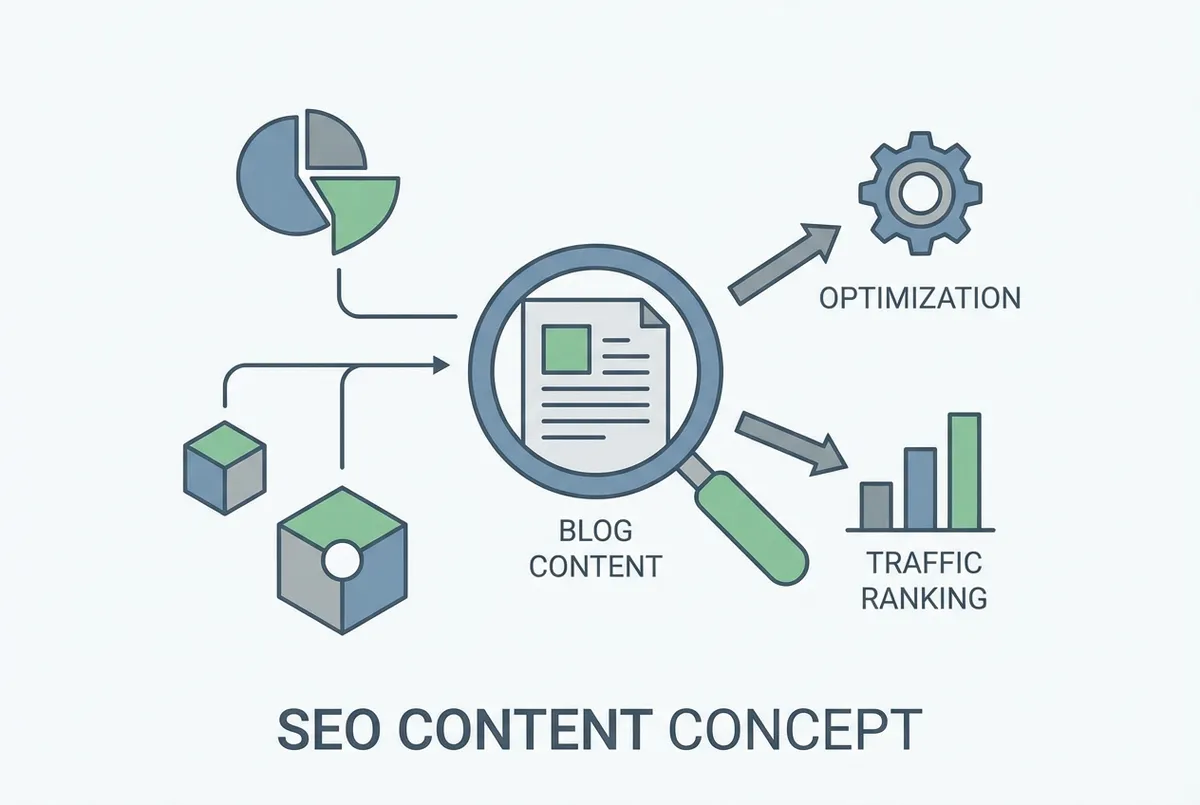
Professional food photography workflow
Now comes the decision most restaurant owners face: invest time in learning or pay someone who already knows.
When to Hire a Professional vs. DIY
The decision often comes down to frequency and stakes. Here's when each approach makes sense:
Hire a professional when:
- You're launching a new restaurant and need hero images for your website
- You're updating your menu once or twice a year
- You're running a paid advertising campaign where image quality directly impacts ROI
- Your restaurant operates in a premium market where customers expect polished visual content
Do it yourself when:
- You need regular social media content (3+ posts per week)
- You're documenting daily specials or seasonal dishes
- Your budget doesn't allow for frequent professional shoots
- You want authentic, in-the-moment content that shows your kitchen in action
For most UK restaurants posting regularly to social media, learning DIY food photography often offers an effective combination of cost efficiency and content flexibility.
For instance, a steakhouse might hire a professional photographer for stunning hero images of signature cuts, then use in-house photography for daily social media content showing the butchering process or chef prep work. The professional images establish quality; the DIY content builds personality and connection.
If you're not sure which route makes sense for your restaurant, start by calculating content needs. Regular social media posting adds up quickly, and hiring professionals for every image becomes expensive. Learning to shoot your own food becomes a business decision, not just a skill.
Whether you go DIY or professional, you'll need to understand what equipment matters, and what you can skip without sacrificing quality.
Quick checklist before every food photo:
- Natural light source identified and setup positioned
- Background cleared of clutter (salt shakers, menus removed)
- White reflector card positioned on shadow side
- Camera settings tested with a practice shot
- Dish arrives and you shoot within 90 seconds
Key Equipment for Restaurant Food Photography
Moving on to gear, you don't need a £2,000 camera to create images that bring in bookings. Here's what actually makes a difference:
| Budget Level | Equipment | Cost Range |
|---|---|---|
| Essential | Smartphone, white foam board reflector, neutral backdrop | Under £100 |
| Upgrades | Mirrorless camera with kit lens, tripod, editing software | £100-£500 |
| Professional | Prime lens for shallow depth of field, LED panel, full editing suite | £500+ |
Most restaurants starting out find that a modern smartphone, natural window light, and a white reflector card deliver professional-looking results at minimal cost. The improvement comes from experience and technique, not expensive gear.
Warning
Why this matters: Equipment upgrades rarely fix fundamental problems with lighting or composition. Many restaurants spend hundreds on cameras only to get the same mediocre results. Master the basics with what you have first.
Even with the right equipment, mistakes happen. Recognising them is the first step to fixing them.
Common Mistakes That Ruin Restaurant Food Photography
Additionally, let's look at what to avoid. These errors appear in almost every amateur food photo, and they're all fixable:
| Mistake | Why It Fails | Quick Fix |
|---|---|---|
| Overhead fluorescent lighting | Turns everything yellow-green, creates harsh shadows | Shoot near windows during daylight |
| Cluttered backgrounds | Props compete with your food | Clear everything except essential items |
| Shooting too late | Hot food looks cold by the time you start | Prep setup first, work fast when dish arrives |
| Over-editing | Unnaturally vibrant food looks fake | Use subtle adjustments only |
| Wrong angle | Hides key features of the dish | Match angle to dish type (flat=overhead, height=45 degrees) |
For most restaurants, fixing these five issues improves photography more than buying better equipment.
If you can't tell whether your photos are bringing in bookings or just filling your Instagram grid, that's usually a sign that your photography lacks intent: you're posting for the sake of posting rather than creating images that make people hungry.
If you're only shooting occasionally you'll always lose to competitors who schedule photography into their weekly prep routine.
Weekly Action: Build Your Photography System
You've absorbed a lot of information. Here's how to turn knowledge into habit without overwhelming yourself.
If you only have 30 minutes a week, follow this structured approach:
Day 1-2 (10 minutes): Identify your best natural light source, typically a window during late morning or early afternoon. Clear a table or counter nearby that can become your consistent shooting spot. Photograph the same dish three times: once under overhead lights, once near the window with no fill, once with a white card bouncing light from the shadow side. You'll immediately see which approach works best.
Day 3-4 (15 minutes): Create a shot list of 10 dishes you want to photograph over the next month. Prioritise:
- Signature items that define your restaurant
- Seasonal specials with limited availability
- Dishes that look significantly better in person than current photos suggest
Schedule 20 minutes during a quiet shift to shoot 2-3 dishes from your list.
Day 5-7 (5 minutes): Edit your best shots using basic adjustments only:
- Correct the white balance (so food looks natural)
- Adjust exposure (so it's neither too dark nor too bright)
- Crop for composition
Post one to social media. Pairing each shot with a caption from an AI social post generator turns a good photo into a ready-to-publish post in minutes. If your food photos aren't generating engagement, compare this new approach with your previous posts. The difference often speaks for itself.
Before you start, ask yourself: Would I scroll past my own restaurant's food photos, or would they make me hungry? If you're honest about the answer, you already know whether your current approach is working.
The goal isn't perfection: it's a system that works during real restaurant operations without disrupting service.
Your next steps this week:
- Identify your best natural light source (usually a window during late morning)
- Clear a permanent shooting spot near that light
- Photograph one dish using the techniques above
- Compare it to your previous food photos
If the improvement is obvious, you've found your new photography system. If not, the problem is usually timing (shooting too late) or editing (going too far).
For UK restaurants
Need help with your restaurant's visual content strategy?
LocalBrandHub helps independent restaurants create consistent visual content without hiring photographers or spending hours on social media.
Get in TouchFAQ: Restaurant Food Photography
Finally, here's answers to the questions we hear most often from restaurant owners.
What camera works well for restaurant food photography? For most restaurants, a recent smartphone delivers results good enough for Instagram and websites. If you want dedicated equipment, consider a mirrorless camera with a 50mm prime lens: this combination offers excellent value and shallow depth of field for professional-looking shots.
How do I photograph food in low light without flash? Move your setup closer to a window during daylight hours, or invest in a portable LED panel positioned at 45 degrees. Built-in camera flash creates unflattering results: harsh shadows and colours that look artificial. In low-light situations, increase ISO sensitivity and stabilise with a tripod.
What editing software should restaurants use for food photos? Adobe Lightroom Mobile offers powerful editing on your phone. For simpler adjustments, your smartphone's default photo app handles white balance, exposure, and cropping adequately. The key is restraint: over-edited food looks artificial and unappetising.
How many photos should I take per dish? Professional food photographers typically shoot 15-30 images per dish from different angles and with various compositions. This gives you options during editing and ensures you capture at least one strong image that best represents your food.
Should I hire a food photographer or learn to do it myself? For regular social media content, learning restaurant food photography yourself typically pays for itself within a few months. For annual menu updates or website hero images, hiring a specialist often delivers better ROI since you're investing in photos you'll use for months.
What time of day works well for photographing food in a restaurant? Late morning to early afternoon typically offers favourable natural light, soft and diffused without harsh shadows. Position your shooting station where you get indirect daylight during these hours. Avoid golden hour or direct sunlight, which creates overly warm tones and hard shadows.
This guide was developed from our experience working with over 50 UK independent restaurants on their visual content strategies. We tested these techniques in real restaurant environments, not studio conditions, and refined them based on what actually worked for busy restaurant owners.
Get More Marketing Tips
Practical marketing tips for UK business owners, straight to your inbox. No spam, unsubscribe anytime.
About the Author
Local Brand Hub
Empowering UK Businesses
Local Brand Hub provides comprehensive business management tools designed specifically for UK local businesses to streamline operations, automate marketing, and grow revenue.
More articlesRelated Articles
 Marketing Tips
Food Blogger Outreach: UK Restaurant Guide
Step-by-step food blogger outreach guide for UK restaurants. Find, pitch, and host bloggers with the 50-15-8 funnel and email templates.
 Marketing Tips
How to Promote a Newly Opened Restaurant
Week-by-week plan to promote a newly opened restaurant. Covers Google reviews, social media, local partnerships, and more.
 Marketing Tips
Opening Soon Restaurant: Build Pre-Launch Buzz
Market your opening soon restaurant with an 8-week pre-launch plan covering signage, social media teasers, email capture, and local PR.