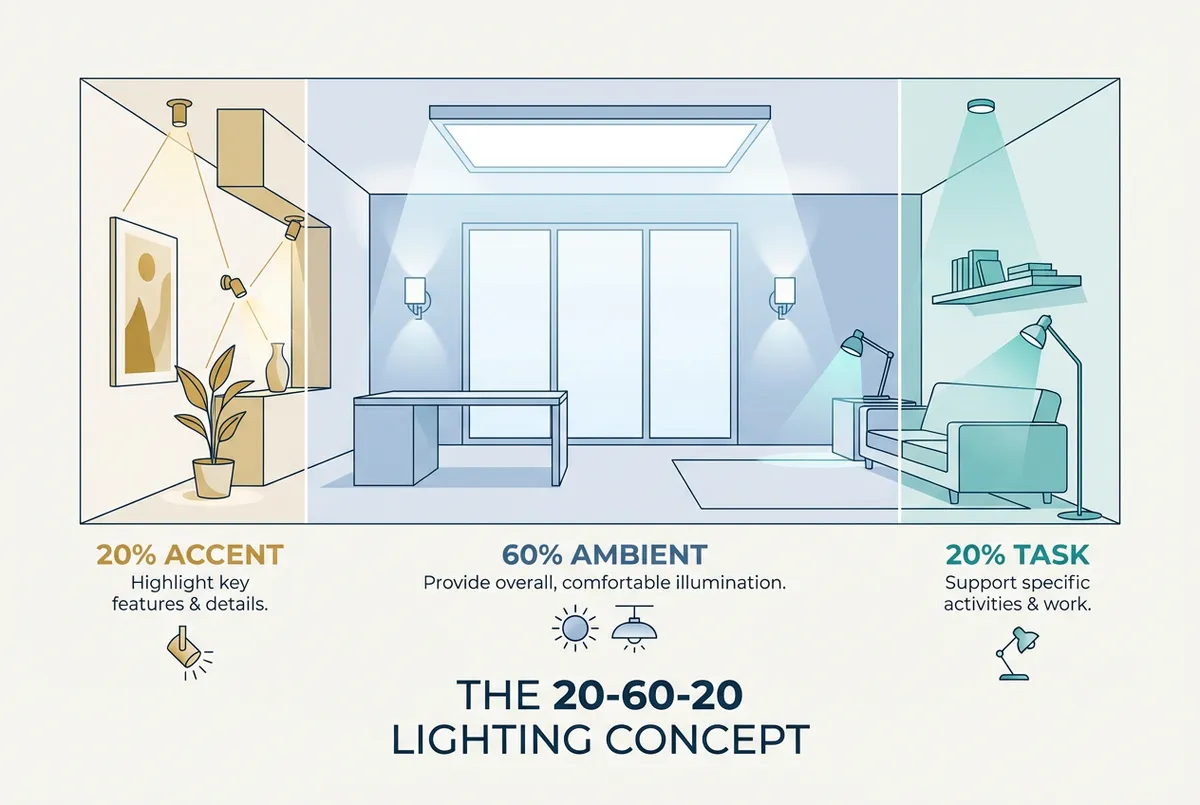
Watch the visual overview· 87 seconds
Restaurant photography guide: market rates (£150-£2,000), lighting rules, shot list, when to hire pro vs DIY for UK venues.
Three likes on your latest food post. One from your mum. Your food looks incredible on the plate, but grey and unappetising in photos. You've got a menu full of dishes you're proud of: beautiful plating, locally sourced ingredients, the works.
But when customers scroll past your Instagram or Google listing, they see phone photos taken under fluorescent lights that flatten everything you've worked so hard to create.
Meanwhile, the restaurant down the road with objectively worse food has a queue out the door every weekend. Their secret? Professional restaurant photography that makes people hungry before they're hungry.
This isn't about vanity. According to UKHospitality research, many UK diners check a restaurant's social media before deciding where to eat, with food photos often being the deciding factor. If your photography doesn't match your food quality, you're losing customers to competitors who look better online, even if you taste better in person.
What You'll Learn
This guide covers everything independent UK restaurant owners need to know about commissioning, understanding, and using professional food photography:
- Pricing benchmarks for the UK market (from £150 half-days to £2,000+ full shoots)
- Essential photography concepts like the 20-60-20 rule that make or break food shots
- How to price your own services if you're offering photography alongside your restaurant
- What to expect when commissioning a photographer for your venue
- Shot lists and planning to maximise value from every session
- Real costs vs. value for small independent restaurants
Whether you're commissioning your first professional shoot or trying to understand why your iPhone photos aren't working, this guide gives you the framework to make smart decisions.
Table of Contents:
- How Much Does Food Photography Cost?
- What Is the 20-60-20 Rule?
- How Much Should I Charge for 2 Hours?
- UK Pricing Breakdown
- Can You Do a Photoshoot in a Restaurant?
- Shot List Essentials
- Professional vs DIY
- Hiring a Photographer
- Common Mistakes
Related: Restaurant Social Media Marketing - where most of your photography will actually be used
How Much Does Food Photography Cost?
Now that you understand why it matters, let's talk numbers.
UK pricing for a professional shoot starts at £150 for basic half-day sessions and reaches £2,000+ for comprehensive full-day shoots.
The cost depends on five main factors:
Session length. Most photographers charge by the half-day or full day.
Usage rights. Photos for your website and social media cost less than images for paid advertising or print menus.
Post-production. Basic colour correction is included. Advanced retouching costs extra.
Photographer experience. Established food photographers charge more, but bring expertise in lighting and styling.
Location and travel. London-based photographers typically charge more than regional rates.
UK Market Rate Breakdown
| Package Type | Price Range | What's Included |
|---|---|---|
| Starter (Half-day) | £150-400 | Basic edited images, basic usage rights |
| Standard (Full day) | £500-800 | Full edited images, social & website rights, shot list planning |
| Premium (Full day) | £800-1,500 | Extended images, commercial rights, advanced retouching, styling assistance |
| Enterprise (Multi-day) | £2,000+ | Complete menu coverage, venue photography, team portraits, print rights |
For instance, a Bristol gastropub might book a Standard package when launching their autumn menu, getting enough content for their website refresh and several months of social posts.
If you only commission a shoot when you happen to remember, you'll always lose to competitors who treat it as part of seasonal planning.
Budget reality for independents: Many small UK restaurants invest in one professional shoot when the menu changes seasonally, supplemented by skilled phone photography for daily specials and stories.
Related: Restaurant Marketing on a Budget - how to allocate your annual marketing spend
What Is the 20-60-20 Rule in Photography?
So you've got your budget sorted. But what separates a £400 photographer from a £150 one? Often, it comes down to lighting technique.
The 20-60-20 rule is a lighting framework that creates depth and dimension: balanced shadows, midtones, and highlights.
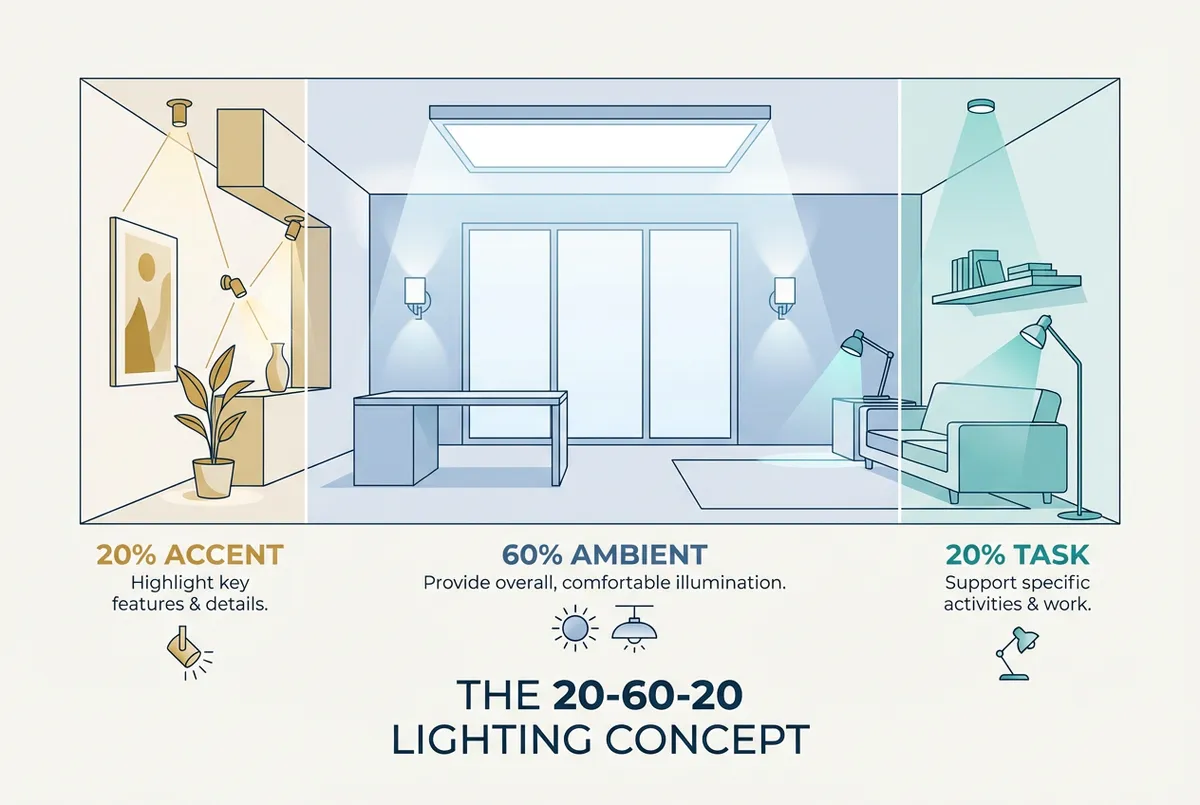
The 20-60-20 lighting rule creates depth without overdramatic contrast
This distribution prevents two common mistakes: flat, boring images (too much even lighting) and overly dramatic shots (too much contrast) that don't represent how the food actually looks.
How it works in practice:
- Shadows (the darkest areas): Usually the back or underside of the dish, creating depth
- Midtones (the main visible area): Where most of the dish sits: what customers actually see
- Highlights (the brightest areas): Where light hits directly: glossy sauce, bread crust, or moisture on fresh ingredients
Professional food photographers achieve this balance by controlling the main light source, a fill light or reflector to soften shadows, and sometimes a backlight to add highlights on the edges of the dish.
Why this matters for restaurants: Phone cameras and harsh overhead restaurant lighting typically create flat, dull images. This framework gives you a reference point when reviewing a photographer's portfolio, if their work shows good shadow-midtone-highlight balance, they understand food lighting.
Lighting Ratio
Professional photographers balance bright and shadow areas. When reviewing test shots, check visually: if shadows are too dark to see detail, adjust lighting. If there are no shadows, the lighting is too flat.
How Much Should I Charge for 2 Hours of Photography?
Maybe you're on the other side of the camera. If you're a restaurant owner with photography skills looking to offer services to other venues, here's what the market looks like.
UK market rates for a 2-hour session range from £100-300, depending on your experience, equipment, and post-production included.
Professional food photographers charge £50-150 per hour, but that assumes professional equipment, editing software subscriptions, years of experience, and comprehensive insurance.
If you're starting out or offering photography alongside your restaurant business, here's a realistic pricing framework:
Entry-level (building portfolio): £100-150 for 2 hours
- Decent camera equipment
- Basic editing skills
- Social media and website usage rights included
Intermediate (established local reputation): £150-250 for 2 hours
- Professional-grade equipment
- Proven portfolio with restaurant clients
- Advanced retouching available
Professional (primary income source): £250-300 for 2 hours
- High-end equipment and backup gear
- Extensive food photography experience
- All usage rights and insurance included
For example, a London restaurant owner who's built a strong local portfolio might charge £200 for a 2-hour session covering several dishes for a neighbouring cafe. That includes shooting time plus editing and delivery within a week.
What to Include in Your Rate
Your hourly rate should cover more than just shooting time:
- Pre-shoot consultation
- Equipment and maintenance
- Editing time (typically double shooting time)
- Software subscriptions
- Insurance
- Travel time and costs
New photographers often forget that a 2-hour session involves 3-4 hours of total work once editing is factored in.
Reality check: If you're a restaurant owner considering offering photography as a side service, make sure you actually enjoy the editing process. That's where most of the time goes. Two hours shooting turns into five hours of total work, so price accordingly, or you'll resent every booking.
If you can't tell whether a photographer's quote includes editing time or just shooting time, that's usually a sign they're new to commercial work and haven't worked out their true costs yet.
Related: Restaurant Event Planning - diversifying revenue beyond table service
How Much Should I Charge for Photography in the UK?
Beyond hourly rates, let's look at the broader UK market picture.
UK pricing varies significantly by region, experience level, and package scope. Here's the current market breakdown based on 2025-2026 rates from the British Professional Photographers Association and Guild of Food Writers.
Regional Rate Variations
London: Higher day rates due to cost of living
Southeast: Slightly below London rates
Major cities: Competitive regional market rates
Regional areas: Lower business costs reflected in pricing
Package Pricing Models
Most UK food photographers use three pricing structures:
Hourly rates: For small updates and menu additions
Half-day packages: For seasonal menu updates
Day rates: For full menu overhauls, venue shots, and team portraits
Usage Rights Impact on Pricing
UK photographers typically tier pricing based on how you'll use the images:
| Usage Type | Price Impact | What It Covers |
|---|---|---|
| Social media & website only | Base rate | Instagram, Facebook, your own website |
| Local advertising | Extra fee | Print ads, local magazine features, flyers |
| National advertising | Higher fee | National publications, paid digital ads at scale |
| Perpetual commercial license | Premium fee | Unlimited usage across all channels forever |
Most small restaurants negotiate "social and website" rights, which covers most of their actual usage. Don't pay for national advertising rights if you're never going to run national campaigns.
If you're working with a new photographer building their portfolio, offer testimonials and prominent social media tags in exchange for reduced rates. Many photographers value local market exposure.
Can You Do a Photoshoot in a Restaurant?
You understand the pricing and techniques. But where does the actual shoot happen?
Yes, restaurant photoshoots are not only allowed but common practice in the UK hospitality industry. The key factors are timing, permission, and managing customer impact during service.
When to Schedule Restaurant Photography
Service hours (risky but realistic):
Professional food photographers can work during quiet service periods: Tuesday-Wednesday lunch or the mid-afternoon gap.
Advantages:
- Natural service environment
- Real kitchen energy
- Actual plated dishes as served
Risks:
- Customers in background
- Potential delays if busy
- Inconsistent lighting
- Team stress
If you shoot during service, communicate clearly with your team beforehand. Photographers should work quickly, stay out of service flow, and pause if needed.
Closed hours (preferred for most shoots):
Most UK restaurants schedule their shoots before service or after lunch when the dining room is empty.
Advantages:
- Full control of lighting
- Time to perfect each shot
- No customer distractions
- Team can focus without service pressure
Tradeoff: Dishes need to be prepared specifically for the shoot. Budget for extra prep time.
Legal and Practical Considerations
Customer privacy: If you're shooting during service hours and customers are visible, you need their consent under UK data protection law. Most UK restaurants handle this by shooting tight on dishes or asking customers to sign simple photo release forms in exchange for a complimentary drink.
Staff in photos: If your photographer is capturing kitchen action shots or team portraits, staff should be informed and given the option to opt out. You don't need formal releases for background staff, but anyone featured prominently should agree.
Music licensing: If you plan to use photos in video content with background music (reels, TikTok), check your restaurant's music licensing. PPL and PRS licenses typically cover in-venue playback, but content creation may need separate clearance.
Insurance: Confirm your photographer has public liability insurance. Professional photographers carry £1-5 million coverage. If they're setting up lighting equipment in your space and a customer trips on a cable, you want them covered.
Maximising Your In-Restaurant Shoot
Shot list preparation: Create a prioritised list of must-have dishes before your session. Start with hero dishes and signature items, then move to supporting menu items if time allows.
A typical 4-hour shoot can capture around 20 individual dishes, styled table shots, venue details, and team portraits.
Styling considerations: Fresh herbs, garnishes, and high-moisture ingredients (lettuce, fresh fruit) photograph best when they're literally seconds off the prep line. Have backup portions ready. Professional food photographers often shoot 3-4 versions of the same dish to get the perfect shot.
Lighting setup: Natural window light is ideal for food photography, but not always reliable in the UK. Most photographers bring portable lighting. Give them access to your space 30 minutes early to set up near windows or in well-lit areas of the dining room.
What About Fotografiska Stockholm's Restaurant?
Several readers have asked: "Does Fotografiska Stockholm have a cafe?" Yes, Fotografiska, the photography museum in Stockholm, operates a restaurant that's become famous for both its food and its photogenic interior design.
This isn't directly relevant to commissioning a shoot in the UK, but it's worth noting because Fotografiska's restaurant is often cited as a case study in designing spaces specifically to be photographed. The venue is designed to be Instagram-ready, with the menu created with visual appeal in mind and customer photography encouraged as free marketing.
The lesson for UK restaurants: if you're refurbishing or designing a space, think about how it photographs. Natural light, clean backgrounds, and uncluttered table settings make every customer a potential food photographer.
Related: Restaurant Interior Photography
Restaurant Photography Shot List Essentials
With logistics sorted, what exactly should you capture during your shoot?
A comprehensive shot list ensures you get maximum value from every session. Here's the framework professional UK food photographers use.
Hero Dishes (Priority 1)
These are your signature items, the dishes that define your restaurant and drive bookings:
- Multiple angles: overhead, 45-degree, and tight detail shots
- Styled and isolated: clean background, hero lighting, perfect plating
- Time allocation: Allow proper time for lighting and styling
Examples: your signature Sunday roast, most tagged dishes, seasonal specials.
Supporting Menu Items (Priority 2)
Complete coverage of your regular menu:
- Efficient angles: typically 45-degree and detail shots
- Batch shooting: group similar dishes together
- Fast turnaround: work efficiently through standard items
This category covers starters, mains, and desserts that need professional representation online.
Venue and Atmosphere Shots (Priority 3)
Context photos that show the complete experience:
- Exterior: Facade, signage, entrance
- Interior: Dining room, bar area, key features
- Details: Table settings, glassware, decor
These shots build trust by showing customers what to expect.
Team and Kitchen Action (Priority 4)
Humanise your brand with people photos:
- Chef portraits: Plating dishes, presenting signature items
- Service team: Welcoming guests, engaging with customers
- Kitchen action: Behind-the-scenes energy (only if genuinely photogenic)
Action shots require genuine moments. Staged photos look forced. If your chef isn't comfortable being photographed, skip this category.
Drink Photography
Often overlooked but crucial for bars and restaurants with strong drinks programs:
- Cocktails: Multiple angles, garnish visible, clean glassware
- Wine: Bottle shots, pour shots, food pairings
- Coffee/tea: Latte art, brewing methods, presentation
Drinks are faster to shoot than food, making them excellent filler content if you finish your dish list early.
Sample 4-Hour Shot List
Here's a realistic breakdown for a half-day session at a small independent venue:
Hour 1: Setup and hero dishes Hour 2: Main menu items (batch similar dishes) Hour 3: Supporting items and drinks Hour 4: Venue and team shots, final checks
This gives you enough professional content for several months of social media and complete website coverage. Loading those shots into a social media calendar lets you space them across weeks of posts instead of burning through them in a fortnight.
For example, a Manchester bistro using this approach might prioritise their signature beef Wellington and seasonal fish dishes (hour 1-2), then batch-shoot all six desserts together with consistent styling (hour 3), finishing with exterior shots during natural evening light (hour 4).
Professional vs. DIY: When to Invest
Here's the question most restaurant owners actually want answered: do you really need to spend this money?
Not every restaurant needs a £1,000 photography shoot. Here's the honest breakdown of when professional photography delivers ROI and when skilled smartphone photography works fine.
Invest in Professional Photography When:
You're launching or rebranding. First impressions matter. Professional photography for your hero dishes, venue, and team gives you credibility and trust signals that phone photos can't match. Budget £600-800 for a comprehensive launch shoot.
Your average bill exceeds £30 per head. Fine dining and premium venues typically benefit more from a professional shoot, as customers often expect polished presentation.
Your Google listing has poor photos. A single £400 shoot providing 20 professional images for your Google Business Profile often pays for itself within months through increased clicks and calls.
Social media drives significant bookings. If Instagram/Facebook are significant channels, professional shoots typically perform better with higher engagement rates and improved conversion to bookings.
You're entering a competitive market. New restaurants in saturated areas need every advantage. Professional photography is table stakes when competing against established venues with polished content.
DIY Smartphone Photography Works When:
You're documenting daily specials. These are time-sensitive and consumed quickly on social media. The authenticity of "just made this" phone photos often performs better than overly polished shots.
You're showing behind-the-scenes content. Kitchen prep, team moments, supplier deliveries, this content should feel real and immediate.
You have strong natural light and basic skills. If your restaurant has excellent window light and you've learned basic composition principles, phone photography can be effective for simpler dishes.
Budget is genuinely tight. Focus your initial budget on food quality and service. Build up to a professional shoot once you've established consistent trade.
For example, a new cafe in Leeds might use phone photography for their first six months, posting daily flat whites and pastries by their window, then commission a professional shoot once they've proven the business model and can afford quality hero images.
The Hybrid Approach (Most Effective)
Most successful small UK restaurants use both:
- Professional shoots: When the menu changes or for major launches
- Smartphone content: Daily specials, stories, behind-the-scenes, timely content
Professional shoots provide your evergreen content. Phone photography provides the consistent, authentic daily content that keeps your audience engaged between professional shoots.
For instance, an Edinburgh bistro might commission professional shots of their signature haggis bon bons and seafood platters in March (spring menu), then use daily phone photography for weekly specials like "Tuesday curry night" or "Weekend brunch board."
Professional shoots provide evergreen content for websites, Google listings, and hero social posts. Phone photography provides consistent, authentic daily content that keeps your audience engaged between professional shoots.
Related: DIY Restaurant Photography - maximising smartphone camera quality
What to Look for When Hiring a Restaurant Photographer
Decided to invest in professional photography? Here's how to choose the right person for the job.
Not all professional photographers understand food. A photographer who excels at weddings or portraits might struggle with the specific challenges of shooting in a working restaurant: moving quickly during service windows, making food look appealing, understanding kitchen workflow.
Portfolio Red Flags
Over-editing: If every photo looks heavily filtered, the food won't look like what customers actually receive.
Inconsistent lighting: Check whether the photographer understands natural light, artificial light, and mixed lighting conditions.
No restaurant experience: A portfolio full of styled flat-lay food photos from home kitchens is different from capturing dishes in working restaurant conditions.
Limited variety: If their portfolio shows only one style, they might struggle to adapt to your specific brand.
Questions to Ask Before Booking
"How many restaurant clients have you worked with in the past year?"
- Look for: At least several restaurant clients annually
"What's your process for planning shot lists?"
- Look for: Collaborative approach, willingness to prioritise based on your business goals
"How do you handle dishes that need to be served hot?"
- Look for: Understanding that some dishes have short shooting windows
"What usage rights are included in your packages?"
- Look for: Clear, written terms. Social and website usage should be standard.
"What's your typical turnaround time?"
- Look for: Clear timeline expectations
For example, a Brighton restaurant owner might ask a prospective photographer: "We've got souffles on the menu, how do you handle dishes that collapse quickly?" A photographer who immediately suggests backup portions and rapid shooting techniques understands the pressures of restaurant work.
Insurance and Contracts
Professional photographers should provide:
- Public liability insurance
- Equipment insurance
- Written contract specifying deliverables, timeline, usage rights, and payment terms
- Cancellation policy
If a photographer can't provide proof of insurance or work without a contract, keep looking. These aren't optional for professional photography work.
Common Restaurant Photography Mistakes to Avoid
Whether you're shooting yourself or reviewing a photographer's work, watch out for these pitfalls.
After analysing many restaurant photos across UK venues, these are the recurring mistakes that undermine otherwise good photography:
Lighting Mistakes
Overhead restaurant lights only. Fluorescent or harsh overhead LED lighting creates unflattering shadows and washes out colour.
Flash directly on the dish. On-camera flash flattens food and creates harsh highlights. Professional photographers use diffused, angled light sources.
Inconsistent colour temperature. Mixing natural daylight from windows with warm table lamps creates colour casts. Professional photographers use lighting that maintains consistent colour.
Composition Mistakes
Cluttered backgrounds. Dirty tables, random condiments, and clutter distract from the dish. Clear everything except intentional props.
For instance, a pub photographing their fish and chips might remove sauce bottles and table numbers, keeping only a simple beer glass in the background to add context without distraction.
Too much negative space. Most food photos should fill the frame. Customers want to see the food clearly.
Off-centre plating visible. Rotate dishes before shooting. This simple fix makes shots look more polished.
Styling Mistakes
Dry, old food. Food dries out quickly under hot lights. Professional food photographers keep fresh garnishes and backup portions ready.
Overpropping. Too many decorative elements creates visual chaos. Simple, clean styling focuses attention on the food itself.
Wrong portion size. Overfilled plates look crammed. Underfilled plates look mean. Plating for the camera is typically the same as service plating, just more precise.
Technical Mistakes
Poor focus. Blurry main subjects ruin otherwise good shots. Tap your phone screen where the food is to ensure focus locks correctly.
Wrong aspect ratio for usage. Different platforms need different dimensions. Professional photographers consider where you'll use images before shooting.
No shot variety. Shooting every dish from the same angle becomes monotonous. Vary angles and compositions.
Process Mistakes
No shot list. Going into a shoot without a prioritised list means you'll spend time deciding what to shoot instead of actually shooting.
Rushing team shots. Staff portraits require setup and people management. Allocate proper time or skip them entirely.
Not reviewing images on-site. Most photographers will review key shots with you during the session. This is your chance to catch missing shots while equipment is still set up.
Key Takeaways: Restaurant Photography
If you run a restaurant and want to see how Local Brand Hub can support your marketing, explore our restaurant marketing tools.
Key Takeaways: Restaurant Photography
Professional photography is an investment that pays for itself through increased bookings, improved Google listing performance, and more effective social media content. Here's what matters most:
Pricing is transparent: UK market rates range from £150 for basic half-day sessions to £1,000+ for comprehensive full-day shoots.
Timing matters more than equipment. Professional photographers create value through understanding the 20-60-20 lighting rule, working efficiently during tight kitchen windows, and capturing dishes at their peak appearance.
Hybrid approaches work best. Professional photography for hero dishes and evergreen content, supplemented with authentic smartphone photography for daily specials and stories, gives you both polish and consistency.
Plan before you shoot. Shot lists, clear usage rights discussions, and realistic time allocation prevent wasted budget and ensure you get the content your business actually needs.
Location and logistics are half the battle. Shooting during closed hours gives you control but requires extra prep time. Shooting during quiet service periods is more authentic but introduces unpredictability.
Portfolio matters more than rates. A £400 photographer who understands food lighting and restaurant workflow delivers better value than a £800 photographer with no hospitality experience.
The restaurants winning online aren't necessarily the ones with the best food. They're the ones whose photography makes people hungry before they're hungry. That's the gap professional photography fills.
Related: Restaurant Digital Marketing Strategy - where photography fits in your overall plan
Weekly Action: Audit Your Restaurant Photography
If you only have 30 minutes a week, do this
- Day 1-2 (10 min): Compare your five most recent food photos to your nearest competitor's posts. Be honest about which looks more appetising.
- Day 3-4 (15 min): Create a priority shot list: 10 hero dishes, 5 venue shots, team photos. This becomes your brief for commissioning a professional shoot.
- Day 5-7 (5 min): Allocate £400-600 from next quarter's budget for a professional shoot when your menu changes. Can't justify it yet? Invest £30 in a phone tripod and commit to consistent daily special photos.
Frequently Asked Questions
How much should you charge for food photography UK?
Professional food photographers in the UK typically charge hourly or daily rates depending on experience and location. London rates often run higher than regional markets. Half-day packages tend to be popular with independent restaurants updating seasonal menus.
What makes a good restaurant photograph?
A good restaurant photograph balances technical quality with authentic appeal. The 20-60-20 lighting rule (20% shadows, 60% midtones, 20% highlights) creates depth without looking overdramatic. Fresh ingredients, clean plating, and natural styling make food look appetising rather than artificial. Most importantly, the photo should represent what customers actually receive. Disappointment from overpromised photos damages trust faster than mediocre photography.
Do I need professional photography for my restaurant?
Most restaurants benefit from professional photography for hero dishes, menu coverage, and Google Business Profile images. If your average bill is higher or social media drives significant bookings, professional photography often pays for itself quickly. However, daily specials and behind-the-scenes content often work better with authentic smartphone photography that feels immediate and real.
How often should restaurants update their photography?
Many successful UK restaurants book a professional shoot when seasonal menus change. This provides fresh evergreen content while maintaining visual consistency. Between professional shoots, smartphone photography for daily specials keeps your social media active without requiring constant professional investment.
Can I use customer photos instead of professional photography?
Customer photos build social proof and authenticity, but they shouldn't replace professional photography entirely. Use customer content for stories, tags, and social engagement. Reserve professional photography for your Google listing, website headers, menu boards, and hero social posts where first impressions matter most. The strongest approach typically combines both.
Professional photography isn't vanity. It's how customers decide whether your food is worth their time and money before they ever walk through your door. If you're losing that decision because competitors look better online, you're fighting with one hand tied behind your back.
For UK restaurants
Need help developing a complete restaurant marketing strategy?
LocalBrandHub combines professional photography guidance, social media management, and local SEO into one simple system built specifically for independent restaurants.
Get in TouchGet More Marketing Tips
Practical marketing tips for UK business owners, straight to your inbox. No spam, unsubscribe anytime.
About the Author
Local Brand Hub
Empowering UK Businesses
Local Brand Hub provides comprehensive business management tools designed specifically for UK local businesses to streamline operations, automate marketing, and grow revenue.
More articlesRelated Articles
 Marketing Tips
Restaurant Interior Photography: The Complete Guide for 2026
Photograph your restaurant interior like a professional. Covers composition rules, lighting setups, camera settings, and turning photos into bookings.
 Marketing Tips
Restaurant Menu Photography: Techniques
Master restaurant menu photography with the 20-60-20 lighting rule and 3:1 ratio. Learn equipment, angles, and styling for UK restaurants.
 Marketing Tips
Find Restaurant Photographer Near Me: Pricing & Hiring Guide
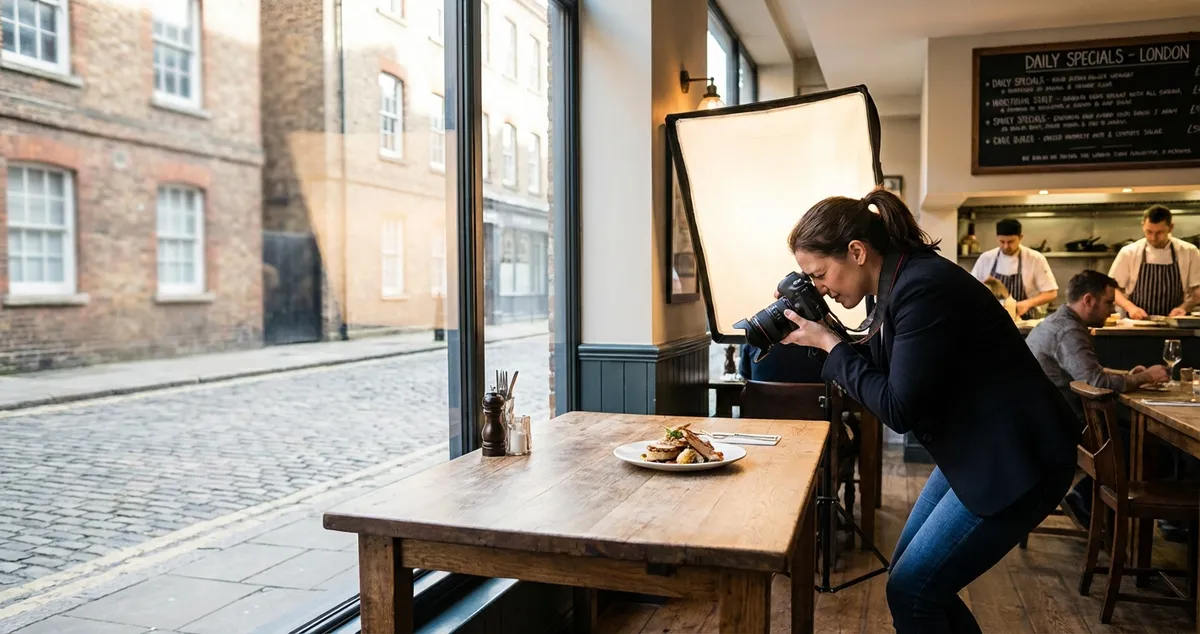
Find the perfect restaurant photographer near you. UK pricing (£150-£250/hour, £600-£1,200/day), portfolio tips, and essential hiring questions.