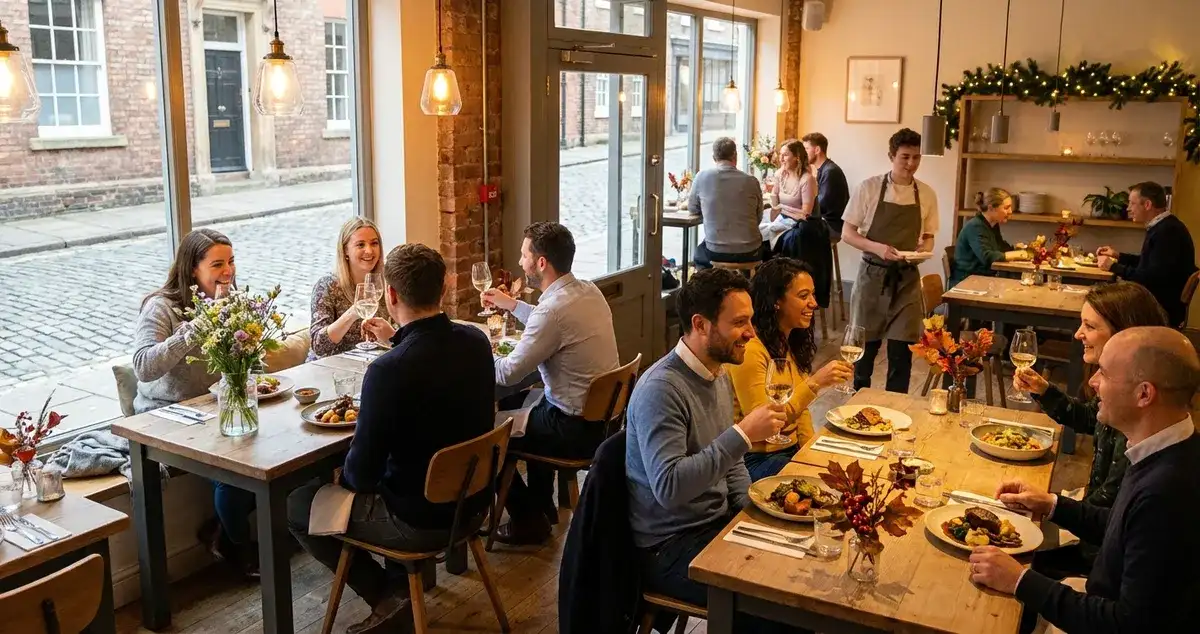
Watch the visual overview· 87 seconds
Month-by-month UK restaurant marketing calendar from Valentine's Day to Christmas. Exact timelines for when to plan and launch each campaign.
It's the week before Valentine's Day and you've just remembered you need a special menu. Sound familiar? If you're scrambling every holiday season while competitors are fully booked, you're not alone, but there's a better way. Planning your seasonal restaurant marketing in advance is the difference between packed tables and empty seats.
Short on time? Here's the quick version
- Plan 6-8 weeks ahead for major events: big opportunities need prep time
- Mother's Day is #1, Valentine's Day #2: plan as hard as you would for Christmas
- Christmas season starts in September: office bookings come early
- Summer needs different tactics: focus on outdoor dining and tourists
- Quiet periods matter too: use January and September for planning and menu launches
Full calendar and strategy below
Seasonal restaurant marketing is a plan that ties your offers, menus, and ads to holidays and events all year. For UK eateries, this means planning for six key periods: Valentine's Day, Mother's Day, Easter, summer, Halloween, and Christmas. These periods can make or break your yearly sales.
Your busiest days aren't random. Mother's Day, Valentine's Day, and Christmas party season are known money-makers: restaurants that plan ahead grab them; those that react miss out. If you're thinking "I'll just wing it again," that approach costs you thousands in lost bookings each season.
Per UK Hospitality data, late November to mid-December makes up 15-20% of yearly sales for the average UK restaurant. Yet many go in without a clear plan. Don't wait too long: bookings fill fast and you'll lose to rivals who started sooner. October is too late for Christmas menus.
This guide gives you a full seasonal marketing calendar for UK restaurants. You'll get timing, promo ideas, and menu tips for each big event.
Related: Restaurant marketing, the complete framework for year-round success.
What You'll Learn
- The 6 major seasonal marketing opportunities for UK restaurants
- When to start planning and promoting each seasonal event
- Specific menu and promotion ideas for each season
- How to handle the quiet periods between peaks
- A month-by-month marketing calendar template
Why Seasonal Restaurant Marketing Matters
Seasonal marketing isn't just decor. It's planning that drives sales during busy times, and keeps trade steady when it's slow.
The business case:
- Knowing your busy days helps with staff rotas and stock orders
- Advance bookings reduce empty table risk
- Seasonal menus drive urgency and return visits
- Holiday meals often mean higher spend per guest
The risk of not planning:
- Last-minute offers look desperate and get ignored
- Rivals who plan better grab early bookings
- Staff gaps during busy times from poor planning
- Lost chances to charge more
Real-world example
A curry house in Birmingham left Christmas planning until November. By then, rival restaurants had booked 80% of December office parties. They ran at 40% capacity while neighbours were full.
Info
Why This Matters: Seasonal restaurant marketing isn't optional for UK independents: it's the difference between hitting revenue targets and missing them. Plan early, execute consistently. For a broader view of how this fits into your overall strategy, see our restaurant marketing guide.
The UK Restaurant Seasonal Calendar
Here's the full seasonal marketing calendar for UK restaurants: what to plan for each quarter.
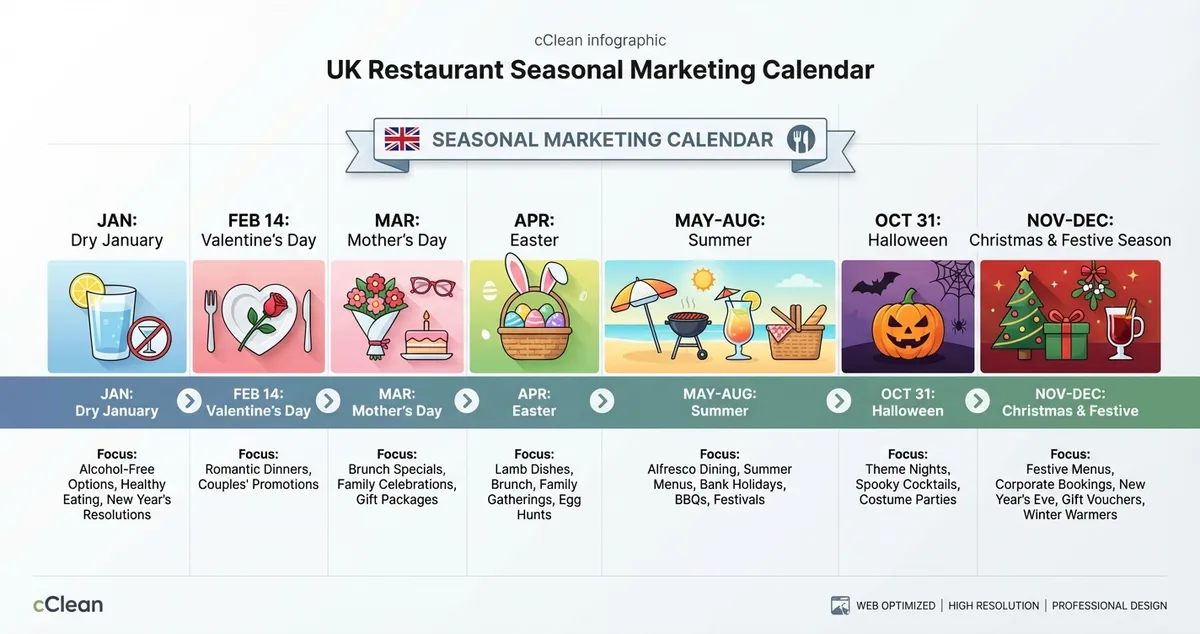
Q1: January - March
| Month | Key Dates | Marketing Focus |
|---|---|---|
| January | 1st (NYD), Dry January | Health-focused menus, quiet period recovery |
| February | 14th (Valentine's) | Romantic dining, set menus, advance bookings |
| March | Mother's Day (varies), St Patrick's (17th) | Family dining, brunch, celebratory menus |
Q2: April - June
| Month | Key Dates | Marketing Focus |
|---|---|---|
| April | Easter (varies), St George's (23rd) | Family meals, bank holiday specials |
| May | Bank holidays, half-term | Outdoor dining, family offers |
| June | Father's Day (3rd Sun), summer begins | BBQ menus, terrace/garden promotion |
Q3: July - September
| Month | Key Dates | Marketing Focus |
|---|---|---|
| July | School holidays begin | Tourist-friendly offers, family menus |
| August | Full summer holidays, bank holiday | Peak summer trading, al fresco |
| September | Back to school, autumn begins | New seasonal menus, lunch trade recovery |
Q4: October - December
| Month | Key Dates | Marketing Focus |
|---|---|---|
| October | Halloween (31st), half-term | Themed events, family activities |
| November | Bonfire Night (5th), Christmas party season starts | Christmas bookings, party menus launch |
| December | Christmas parties, Christmas Day, NYE | Peak revenue period, advance booking essential |
Valentine's Day: Your First Major Opportunity
Valentine's Day is the second-busiest day for UK eateries. Mother's Day is first. Start planning in early January.
Seasonal Restaurant Marketing Timeline: Valentine's Day (Rule of Thumb)
Timings vary by venue: adjust based on your capacity and booking patterns.
| When | Action |
|---|---|
| Early January | Design set menu, set pricing |
| Mid-January | Launch booking promotions |
| Late January | Email past Valentine's customers |
| 1 week before | Social push, last-chance messaging |
| Day of | Excellent service, capture emails for next year |
What Works for Valentine's Day
Menu strategy:
- Set menu at £45-75pp makes kitchen work easier
- Add sharing plates and desserts for two
- Offer wine pairings at a set price
- Use 2-3 price tiers for different budgets
Promotion ideas:
- Early bird discount (5:30pm seating at reduced price)
- "Couldn't book the 14th?" promotion for 15th-21st
- Gift voucher bundles (dinner + champagne + chocolates)
- Return visit deal (book today, get £10 off in March)
Real-world example
A bistro in Bath runs three Valentine's seatings: 5:30pm at £45pp, 7:30pm at £55pp, and 9:30pm at £55pp with champagne. More covers, better margins.
Mother's Day: The Biggest Revenue Day
Mother's Day brings more UK restaurant sales than any other day. Plan as hard as you would for Christmas.
Seasonal Restaurant Marketing Timeline: Mother's Day
| When | Action |
|---|---|
| 6 weeks before | Finalise menu and pricing |
| 4 weeks before | Open bookings, email database |
| 2 weeks before | Social media push, local promotion |
| 1 week before | Reminder emails, last availability alerts |
| Day of | Flower/gift for mums, photo opportunities |
What Works for Mother's Day
Key differences from Valentine's Day:
- Family-friendly focus (high chairs, kids' menus)
- Earlier seatings (Sunday lunch timing)
- Larger groups with three or more generations
- Gifts go down well (flowers, chocolates)
Menu strategy:
- A roast option is a must for Sunday
- Set menu with roast and non-roast picks
- Kids' menu at a fixed price
- Consider "3 generations" discount
Warning
Don't only offer your regular menu or you'll lose families to pubs that planned ahead.
Promotion ideas:
- "Mums eat free" with 2+ paying adults
- Free gift (flowers, chocolates) for all mums
- Photo spot with backdrop for social sharing
- Gift voucher promotions leading up to the day
Related: Restaurant promotions, ideas for every seasonal event.
Info
If you can't tell whether seasonal events drive profit or just cover staff costs, that's a sign you need better tracking before planning next year.
Warning
Never repeat the previous year's plan without checking what worked: you'll waste time on events that flopped while missing chances to double down on winners.
Summer Season: June - August
Summer brings chances and risks. Tourist traffic goes up. But your regulars may be away.
Seasonal Restaurant Marketing Strategy: Summer
Wins:
- Charge more for outdoor/terrace tables
- Longer evenings (light until 9pm+)
- More tourists and visitors
- Outdoor drinks and meals
Risks:
- Staff want time off during the busiest weeks
- British weather is never certain
- Your regulars may be away
- Outdoor events and festivals steal crowds
Warning
Don't assume summer runs itself because the sun is out: without a plan, you'll watch tourists walk past to the place next door.
What Works for Summer
Menu adjustments:
- Lighter options (salads, grilled fish, fresh dishes)
- BBQ specials if you have outdoor cooking capability
- Sharing platters for groups
- Frozen cocktails and summer drinks
Marketing focus:
- Push your outdoor seating on every channel
- Add "outdoor seating" to your Google listing
- Post photos of your terrace or garden looking great
- Run weather deals ("Sunshine special: 20% off terrace tables")
Real-world example
A Brighton seafood spot runs "golden hour" deals: 20% off drinks for 6-7pm tables on sunny days. They post to Instagram when sun is forecast and grab same-day bookings.
Halloween: Growing Opportunity
Halloween spending in the UK has grown to over £600 million. More restaurants are using this holiday to drive bookings.
Seasonal Restaurant Marketing Timeline: Halloween
| When | Action |
|---|---|
| Early October | Plan decorations and themed items |
| Mid-October | Launch Halloween promotions |
| Week before | Social media build-up, costume teasers |
| 31st October | Full event, capture content for next year |
What Works for Halloween
Know your style:
- Family spots: daytime events, kids' fun
- Casual places: themed cocktails, costume deals
- Fine dining: keep it subtle (don't go too far)
Cheap ideas:
- Themed cocktails (rename drinks, add food colouring)
- Staff in costume
- 10% off for guests in costume
- Kids' fun before trick-or-treating (4-6pm seating)
Warning
Never ignore Halloween because it's "not your style": even a small nod can grab sales you'd otherwise miss.
Bigger spend ideas:
- Full venue makeover
- Themed tasting menu
- Murder mystery dinner
- Live acts
Christmas Party Season: Your Biggest Revenue Window
This is the biggest money window of the year. Late November to mid-December is key. Office bookings start sooner than you'd think.
Seasonal Restaurant Marketing Timeline: Christmas
| When | Action |
|---|---|
| September | Finalise Christmas party menu and pricing |
| Early October | Launch Christmas bookings, email corporate contacts |
| October | Early booking incentives (book by Oct 31st, get X) |
| November | Main booking push, social media campaign |
| December | Delivery phase, capture next year's contacts |
What Works for Christmas Season
Menu strategy:
- Party set menu: 3 courses at £35-55pp
- Group minimum: 6-8+ for party bookings
- Deposit: 50% or £20pp (not refunded)
- Drinks packages: wine per head, prosecco on arrival
Warning
Don't skip deposits because you want to be "easy to deal with": you'll get no-shows that cost you real money.
Office parties:
- Target local firms (leaflets to nearby offices)
- Use LinkedIn to reach local companies
- Add "Enquire now" to all posts and emails
- Reply to all queries the same day
Boosting sales:
- Higher prices make sense on peak dates
- Set a spend minimum for busy nights
- Stay open longer
- Offer buyouts for big groups
Real-world example
A Leeds gastropub filled December by September. They emailed the previous year's office bookings in August with "loyalty prices" for fast rebooking. 60% rebooked in 2 weeks.
Managing Quiet Periods
Seasonal restaurant marketing isn't just about peaks. It's also about managing the slow periods between them.
January: The Post-Christmas Recovery
January is usually the quietest month. Smart tactics include:
Related: Restaurant marketing on a budget, low-cost tactics for slow periods.
- Healthy menus: Use New Year goals to your gain
- Dry January drinks: Great mocktails and alcohol-free pairings
- Sale season mindset: Deals feel right this month
- Staff training: Use the quiet time for team growth
- Planning: Map out the year ahead
September: The Autumn Reset
After summer, September offers a fresh start:
- New seasonal menu: A launch creates buzz and PR chances
- Back-to-school parents: Daytime coffee and lunch trade picks up
- Work lunches return: Office crowds come back
- Autumn foods: Feature game, mushrooms, and squash
Building Your Seasonal Marketing Calendar
Here's a template for planning your seasonal restaurant marketing year:
For each major event, define:
- Menu/offer: What are you selling?
- Pricing: Set menu price, packages, deals
- Timeline: When do you plan, push, and deliver?
- Channels: Email, social, local, PR
- Goals: How many bookings? How much revenue?
- Tracking: How will you know if it worked?
Budget Considerations
Most seasonal marketing costs time, not cash:
| Item | Cost | Notes |
|---|---|---|
| Set menu design | £0 | Your time only |
| Email campaign | £0-20/month | Mailchimp free tier works |
| Printed menus | £50-100 | Per batch |
| Social ads | £50-200 | Per event |
Example budgets per event:
- Valentine's Day: £100-300 (menus + social ads)
- Mother's Day: £50-150 (flowers + signage)
- Christmas season: £300-500 (printed menus + targeted ads)
Start small
Start with £0 and add spend only when you see results.
Minimum viable seasonal plan:
If you only have 30 minutes a week for seasonal marketing:
- Day 1-2: Identify next major seasonal event (6-8 weeks out)
- Day 3-4: Set menu/offer and pricing
- Day 5-7: Create one social post and one email announcing it
That's enough to capture most seasonal opportunities, and you can speed it up by starting from ready-made seasonal campaigns instead of a blank page. Build from there.
Key Takeaways
If you run a restaurant and want to see how Local Brand Hub can support your marketing, explore our restaurant marketing tools.
Key Takeaways
Ask yourself: Do you have a plan for Mother's Day, Valentine's Day, and Christmas, or do you just react? Planning ahead often means full tables. Reacting late often means empty ones.
- Plan 6-8 weeks ahead: Big events need prep time
- Valentine's and Mother's Day are bigger than you think: Plan as you would for Christmas
- Summer needs different tactics: Focus on outdoor dining and tourists
- Christmas season starts in September: Office bookings come early
- Quiet times matter too: Use them for planning and rest
Your next step
If you only pick one thing: Focus on Christmas party season first. It drives the most yearly sales and rewards early planning. For more ideas, see our restaurant marketing ideas guide.
Your next step: Find your next big seasonal event. Set your menu, offer, and timeline this week, before your rivals do.
Weekly Action
This week, get ahead of seasonal marketing:
- Day 1-2: Find your next big seasonal chance (Valentine's, Easter, Mother's Day, etc.)
- Day 3-4: Review past performance: what worked, what flopped?
- Day 5-7: Make a simple timeline: when will you lock in the menu, open bookings, and start pushing it?
Frequently Asked Questions
When should restaurants start marketing for Christmas?
Start in September for corporate bookings and early October for the public. Office party planners often book in September-October. Reach them early. Consumer bookings come October-November.
What's the busiest restaurant day in the UK?
Mother's Day is the busiest single day for UK eateries. Valentine's Day comes second. Christmas Eve and Boxing Day are big, but most sales spread across late November to mid-December.
How do I market my restaurant during quiet periods?
Offer value, not steep cuts: lunch deals, early bird rates, and perks for quiet times. January works for healthy menus and Dry January drinks. September suits new menu launches and work lunch trade.
Should small restaurants do Halloween marketing?
It depends on your style. Family spots win with daytime events for kids. Casual places do well with themed cocktails and costume deals. Fine dining should stay subtle or skip it: forced themes hurt your image.
For UK restaurant owners
Plan Your Seasonal Campaigns
LocalBrandHub helps restaurants plan and run seasonal campaigns from one dashboard. If you're juggling Valentine's offers, Mother's Day bookings, and Christmas party requests across channels, having it all planned ahead means catching bookings instead of missing them.
Start freeGet More Marketing Tips
Practical marketing tips for UK business owners, straight to your inbox. No spam, unsubscribe anytime.
About the Author
Local Brand Hub
Empowering UK Businesses
Local Brand Hub provides comprehensive business management tools designed specifically for UK local businesses to streamline operations, automate marketing, and grow revenue.
More articlesRelated Articles
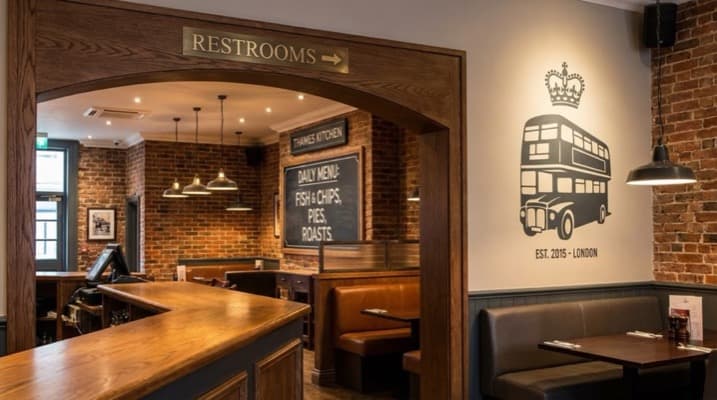 Marketing Tips
Restaurant Interior Signage: Menu Boards & Upselling
Plan your restaurant interior signage strategy. Compare menu boards, wayfinding signs, hygiene displays and upselling signage with UK costs and rules.
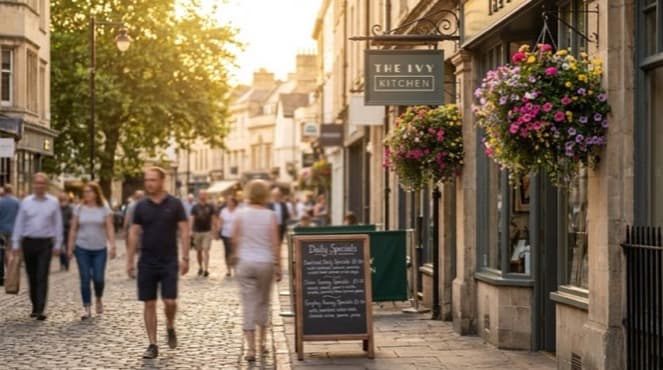 Marketing Tips
Restaurant Outdoor Signage: A-Boards & More
Choose the right restaurant outdoor signage for your UK venue. Compare A-boards, projecting signs, fascia options, costs and planning permission rules.
 Marketing Tips
Restaurant Signage: Types, Costs and UK Regulations
Complete guide to restaurant signage for UK owners. Covers fascia signs, A-boards, LED lighting, menu boards, costs, materials and planning regulations.