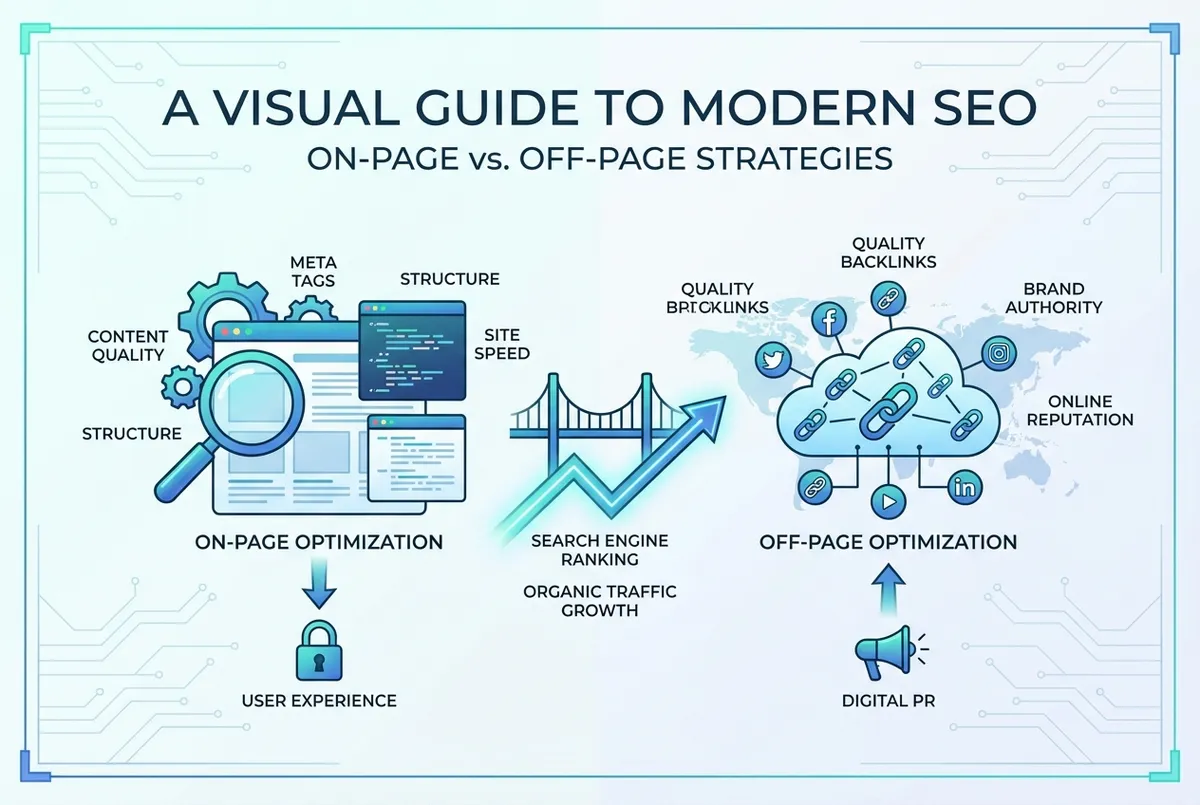
Watch the visual overview· 86 seconds
Learn how Google reviews affect your restaurant's local rankings and get a practical plan to earn more 5-star reviews consistently.
Restaurant reviews SEO refers to the impact of customer reviews on your local search rankings, with review signals accounting for approximately 17% of how Google ranks businesses in the local pack, making reviews one of the most powerful and controllable factors determining whether hungry customers find your restaurant or your competitors when they search nearby.
You've probably noticed that restaurants with hundreds of Google reviews seem to appear everywhere in local search results. That's not coincidence: restaurant reviews SEO is one of the most powerful factors determining whether hungry customers find you or your competitors when they search for somewhere to eat nearby.
According to BrightLocal's Local Consumer Review Survey, 87% of consumers read online reviews for local businesses, with restaurants being one of the most-reviewed categories. But reviews don't just influence customer decisions: they directly affect your Google rankings. This guide explains exactly how reviews impact your visibility and what you can do to improve both.
Related: Restaurant Local SEO (hub page)
What You'll Learn
Here's what this guide covers:
- How reviews affect your Google Maps and local pack rankings
- Which review signals Google actually measures
- Practical strategies for generating more reviews ethically
- How to respond to reviews (both positive and negative)
- The review platforms that matter most for UK restaurants
Why Reviews Matter for Restaurant SEO
Let's start with the fundamentals. Reviews impact your restaurant in two distinct ways: they influence customer decisions, and they influence Google's algorithm.
The Customer Decision Impact
According to Moz's Local Search Ranking Factors research, 67% of consumers are influenced by online reviews when choosing a local business. For restaurants, this number is higher: food is personal, and people want reassurance before committing to a meal.
The numbers tell the story: a restaurant with a 4.5-star rating and 200 reviews will attract more clicks than one with 4.8 stars and 15 reviews. Quantity builds confidence. If you're thinking "my food speaks for itself," the reality is that potential customers can't taste your food until they've already decided to visit.
The Google Ranking Impact
Beyond customer psychology, Google uses reviews as direct ranking signals. For restaurant reviews SEO, this is crucial: according to Moz's Local Search Ranking Factors study, review signals account for approximately 17% of how Google ranks businesses in the local pack, the map results that appear at the top of local searches.
Google considers:
- Review quantity: More reviews signal an active, popular business
- Review quality: Higher average ratings indicate customer satisfaction
- Review velocity: Consistent new reviews show ongoing activity
- Review keywords: What customers mention affects relevance
- Review responses: Your engagement matters
Real example: A curry house in Sheffield implemented a simple review card system, handing cards with QR codes to satisfied customers. They went from 45 to 180 Google reviews in six months and moved from invisible to position 2 in the local pack for "Indian restaurant Sheffield."
Related: Restaurant Local Pack Ranking
Understanding Review Signals for Restaurant SEO
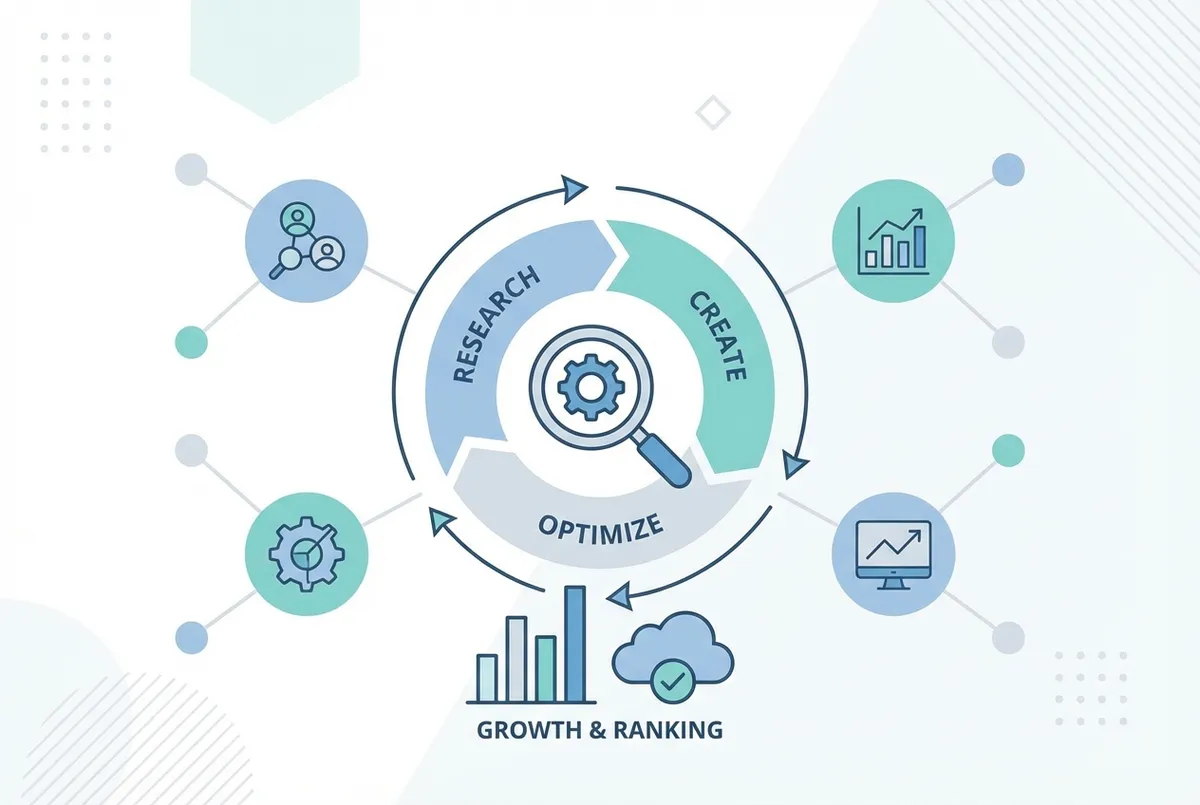
Moving from why to how, let's break down what Google actually measures when evaluating restaurant reviews SEO performance.
Quantity Thresholds
There's no magic number, but research suggests restaurants need at least 40-50 reviews to be competitive in most markets. In highly competitive areas like central London, you might need 200+.
| Review Count | Competitive Position |
|---|---|
| Under 20 | Disadvantaged |
| 20-50 | Baseline competitive |
| 50-100 | Strong position |
| 100+ | Market leader potential |
Rating Sweet Spot
Interestingly, a perfect 5.0 rating can actually seem suspicious. According to Northwestern University research, purchase likelihood peaks at ratings between 4.0 and 4.7. A few critical reviews add authenticity.
Don't panic over occasional negative reviews. A 4.3-star average with 150 reviews outperforms a 5.0 with 12.
Recency and Velocity
Fresh reviews matter. A restaurant with 200 reviews but none in the past three months looks inactive. Google rewards businesses that consistently generate new reviews.
Aim for: At least 2-4 new reviews per week in competitive markets, or 1-2 per week in smaller areas.
Keyword Mentions
When customers mention specific dishes, experiences, or attributes in reviews, it affects what searches you appear for. A review mentioning "best Sunday roast in Leeds" helps you rank for that exact term.
How to Get More Reviews (Ethically)
Now for the practical part. If you're short on time, start here: consistent review generation matters more than perfect responses.
The Direct Ask
The simplest method: train staff to ask happy customers directly.
Timing matters: Ask immediately after positive interactions, when a customer compliments the food, thanks the server, or says they'll be back.
Script example: "Thank you so much! If you have a moment, we'd really appreciate a Google review. There's a QR code on the receipt."
QR Code Systems
QR codes eliminate friction. Customers can leave a review while still at the table.
Placement options:
- Receipt footer
- Table tent cards
- Menu back cover
- Bill folder
Real example: A gastropub in Bristol added QR codes to table tents with the message "Enjoying your meal? Tell Google!" Their monthly review volume tripled within two months.
Post-Visit Follow-up
For restaurants taking bookings online:
- Collect email at booking
- Send thank-you email 24-48 hours after visit
- Include direct link to Google review page
Keep the email short: one sentence thanking them, one sentence asking for feedback, and a prominent button linking to Google.
What NOT to Do
Warning
Google prohibits incentivising reviews. Never offer discounts for reviews, enter reviewers into prize draws, or give free items for positive reviews. Violations can result in review removal or listing suspension. The risk isn't worth it.
Responding to Reviews
With review generation covered, let's talk about responses. According to BrightLocal, 89% of consumers read businesses' responses to reviews. Your responses are public and shape potential customers' perceptions.
Responding to Positive Reviews
For restaurant reviews SEO, every positive review deserves acknowledgment. Respond within 48 hours.
Good response structure:
- Thank them specifically
- Reference something they mentioned
- Invite them back
Example:
"Thanks so much for the kind words, Sarah! Thrilled you enjoyed the lamb shank. It's our chef's favourite too. Hope to see you again soon for the Sunday roast!"
Don't: Copy-paste identical responses. Customers notice, and it feels robotic.
Responding to Negative Reviews
Negative reviews feel personal, especially when you've poured everything into your restaurant. But your response is an opportunity: potential customers read how you handle criticism.
Response structure:
- Apologise (even if you disagree)
- Take responsibility without excuses
- Offer to resolve offline
- Keep it brief and professional
Example:
"Really sorry your experience didn't meet expectations, James. We take feedback seriously and would love the chance to make this right. Please email manager@restaurant.com so we can discuss directly."
Never: Get defensive, argue publicly, or blame the customer. Even if they're wrong, you lose by fighting.
Pro Tip
Respond to negative reviews first. Quick, professional responses to criticism demonstrate you care about customer experience: potential customers notice this more than perfected responses to praise.
Related: Restaurant Google Business Profile
Review Platforms That Matter for UK Restaurant Reviews SEO
Google isn't the only review platform, but it's the most important for restaurant reviews SEO rankings. Here's how to prioritise your efforts.
Google Reviews (Priority 1)
Google reviews directly impact your Google Maps and local pack rankings. This should be your primary focus.
What Google measures:
- Total review count
- Average rating
- Review recency
- Response rate
- Keywords mentioned
TripAdvisor (Priority 2)
TripAdvisor remains influential for UK restaurants, especially for tourists. According to their data, 94% of UK diners read TripAdvisor reviews before choosing a restaurant.
TripAdvisor reviews can appear in Google search results, providing secondary SEO benefit.
Facebook (Priority 3)
Facebook recommendations matter for community-focused restaurants. They're less impactful for SEO but influence customer decisions, particularly for local independents.
Niche Platforms
Depending on your restaurant type:
- OpenTable: If you use their booking system
- DesignMyNight: Popular for bars and experiential dining
- The Good Food Guide: For fine dining credibility
If You Only Have Time for One Platform
Focus entirely on Google. The SEO impact is highest, and Google reviews are visible everywhere.
Common Review Management Mistakes
Beyond getting reviews, there are mistakes that can hurt your restaurant reviews SEO performance.
Mistake 1: Ignoring Reviews Entirely
Not responding to any reviews, positive or negative, signals you don't value customer feedback. Even simple acknowledgments help.
Mistake 2: Fake or Purchased Reviews
Google's algorithm detects patterns in fake reviews (same IP addresses, similar writing styles, review bursts). Penalties include review removal and potential listing suspension.
Mistake 3: Arguing with Critics
Public arguments damage your reputation more than the original complaint. One defensive response can deter dozens of potential customers.
Mistake 4: Inconsistent Attention
Responding to every review for two weeks, then ignoring them for three months, looks worse than moderate but consistent engagement.
If you can't tell whether your review strategy brings customers or just notifications, that's usually a sign you need better tracking, whether through a spreadsheet or our local SEO tools.
Related: Restaurant SEO Mistakes
Key Takeaways
If you run a restaurant and want to see how Local Brand Hub can support your marketing, explore our restaurant marketing tools.
Restaurant Reviews SEO Essentials
Effective restaurant reviews SEO requires:
- Understand the impact: Reviews affect both customer decisions and Google rankings
- Generate consistently: Aim for regular new reviews through direct asks and QR codes
- Respond promptly: Reply to all reviews within 48 hours, especially negative ones
- Prioritise Google: Focus your main efforts on Google reviews for maximum SEO impact
- Stay ethical: Never incentivise or fake reviews; the risks outweigh any benefits
This is part of our comprehensive Restaurant Local SEO guide.
Weekly Action
This week, improve your review generation system:
- Day 1-2: Create a direct link to your Google review page and test it works
- Day 3-4: Print QR codes linking to your review page and place them on receipts or table tents
- Day 5-7: Respond to your 5 most recent reviews (positive and negative)
Set a 10-minute daily reminder to check for and respond to new reviews.
For UK restaurants
Need help managing restaurant reviews SEO?
LocalBrandHub shows your Google rating and review count alongside a visibility score and a Local Rank Map in one platform built specifically for restaurants.
See how it worksGet More Marketing Tips
Practical marketing tips for UK business owners, straight to your inbox. No spam, unsubscribe anytime.
About the Author
Local Brand Hub
Empowering UK Businesses
Local Brand Hub provides comprehensive business management tools designed specifically for UK local businesses to streamline operations, automate marketing, and grow revenue.
More articlesRelated Articles
 Marketing Tips
Google Business Profile Verification Restaurant Guide
Google Business Profile verification explained step-by-step. Methods, troubleshooting tips, and why verified profiles get 4x more visits.
 Marketing Tips
Local SEO for Restaurants: What Google Says It Ranks
Local SEO for restaurants, built on Google's own ranking documentation: why your position moves with the customer, and the weekly routine that holds.
 Marketing Tips
Restaurant Outdoor Signage: A-Boards & More
Choose the right restaurant outdoor signage for your UK venue. Compare A-boards, projecting signs, fascia options, costs and planning permission rules.