Set up online ordering for your small restaurant without paying 30% commission. Compare free UK platforms, understand costs, and start taking orders today.
You're watching orders roll in through Just Eat and Deliveroo. The phone hasn't stopped. But when you check the numbers at the end of the month, 30% of every order has vanished into platform commissions. For a small restaurant already working on tight margins, that's the difference between profit and simply breaking even.
Online ordering for small restaurants isn't optional in 2026. According to Restolabs research (2025), 67% of consumers prefer ordering directly from a restaurant's own website or app rather than through third-party platforms. The reason? They want to support local restaurants directly. The good news: you can set up online ordering for small restaurants without technical expertise or upfront costs.
Related: Restaurant Online Ordering - our complete hub covering all aspects of digital ordering for UK restaurants.
What You'll Learn
- The true cost of third-party delivery platforms versus direct online ordering for small restaurants
- Free and low-cost online ordering systems available to UK restaurants in 2026
- How to choose the right platform for your business size and needs
- Step-by-step guidance to get your first orders within a week
What Is Online Ordering for Restaurants?
With those fundamentals covered, let's break down what online ordering for small restaurants actually means in practice.
Online ordering is a method that lets customers browse menus, select items, and pay digitally. For small restaurants in 2026, this typically means either partnering with platforms like Just Eat or running your own ordering system through your website or app.
The difference matters more than you might think. When customers order through third-party apps, those platforms charge between 14% and 35% commission (Menuviel, 2025) per order. When customers order directly through your own online ordering system, you keep more of every pound.
Here's the reality for most independent restaurants: if you're only using third-party platforms you'll always lose to competitors who've built direct ordering channels. The platform owns the customer relationship, the data, and the repeat business - not you.
Why this matters: Every customer who orders through Just Eat is really Just Eat's customer, not yours. You can't email them offers, you don't know their ordering patterns, and they might never learn your restaurant's name.
What Is the Cheapest Online Ordering Platform?
Understanding why direct ordering matters, let's look at what's available for UK restaurants.
The cheapest platform approach is a strategy that prioritises zero monthly fees and zero commission. GloriaFood, Ordingo, and Square Online meet this criteria in the UK market, making them ideal for small restaurants watching every pound.
Several genuinely free platforms serve UK restaurants in 2026. The cheapest option depends on your specific needs, but these systems charge no monthly fees and take no commission on orders.
GloriaFood offers unlimited free orders with no setup fees. You only pay if you add premium features like promotions or accept online payments through their system.
For example, a curry house in Bradford uses GloriaFood to process 40+ weekly orders without paying any platform fees. They added the widget to their existing website in under an hour.
Ordingo is UK-based with no setup fee, no monthly fee, and no contract. Card payment processing costs 2.9% plus 20p per transaction in 2026 - a fraction of what aggregator platforms charge.
Square Online charges no monthly fees. You pay only when you make a sale: 1.4% plus 25p for UK cards, or 2.5% plus 25p for non-UK cards.
| Platform | Monthly Fee | Commission | Card Processing |
|---|---|---|---|
| GloriaFood | Free | 0% | Varies by provider |
| Ordingo | Free | 0% | 2.9% + 20p |
| Square Online | Free | 0% | 1.4% + 25p (UK cards) |
| Just Eat | Free (£699 setup) | 14-35% | Included |
| Deliveroo | Free | 25-35% | Included |
Note: Commission rates vary based on restaurant location and contract terms.
The trade-off with free online ordering for small restaurants: you handle more of the marketing yourself. Aggregator platforms bring customers to you through their apps; direct ordering systems require you to drive traffic through your own channels.
Related: Restaurant Online Ordering System Free - detailed breakdown of no-cost ordering options.
What Is the Cheapest Food Delivery Service for Small Orders?
With online ordering for small restaurants understood, let's address the delivery question that trips up many owners.
If you're thinking "I need delivery drivers too," the picture changes. Delivery logistics has separate costs from taking orders.
For online ordering for small restaurants with in-house drivers, the cheapest approach is combining a free platform with your own staff. You control the experience and keep costs predictable.
If using third-party delivery in 2026, Just Eat offers a lower commission option (around 14% plus 50p per order) when you use your own drivers but take orders through their platform. Uber Eats drops to 13% if you provide your own delivery. Collection-only listings on Uber Eats are free.
A fish and chip shop in Leeds already has a delivery driver on payroll. Just Eat's hybrid model works well - they pay 14% for customer acquisition but handle delivery themselves. A small cafe in Manchester doing collection orders saves by going direct.
For online ordering for small restaurants, the maths changes based on order value. On a £15 order, 30% commission means losing £4.50. On a £50 family order, you're giving away £15. Before you renew another aggregator contract, it's worth taking a moment to work out how much you could save by moving orders direct.
If you can't tell whether platforms bring new customers or just cannibalise phone orders, that's usually a sign you need better tracking.
Hoping customers will find your direct ordering link without promotion? That never works. You need to actively tell people it exists.
If you're only checking your delivery orders once a week you'll always lose to competitors who track them daily.
How to Set Up Online Ordering for Your Small Restaurant
Having covered your options, here's how to actually implement online ordering for small restaurants in practice.
If you're reading this thinking "I don't have time for this," you're not alone. Most owners try random solutions, get frustrated, and quit within a month. Don't just copy your phone menu online because that never works - customers want photos and descriptions.
Week 1: Choose your platform and go live
- Pick one free platform (GloriaFood or Square Online for beginners)
- Upload your menu - start with your top 20 items, not the full menu
- Set collection times and delivery radius (if applicable)
- Test the ordering process yourself before going public
Week 2: Tell your customers
- Add ordering links to your Google Business Profile
- Put a QR code on your receipts and in-store signage
- Post about it once on social media - keep it simple
- Train staff to mention direct ordering when answering phone orders
Week 3-4: Monitor and adjust
- Check which items perform well online versus in-person
- Adjust prep times if orders are arriving before food is ready
- Consider adding items that travel well if you offer delivery
A small Italian restaurant in Birmingham launched with GloriaFood on 6th January 2026. By 10th January, they'd taken 23 orders. No developer, no monthly fee, no 30% commission. The owner spent less than two hours on setup.
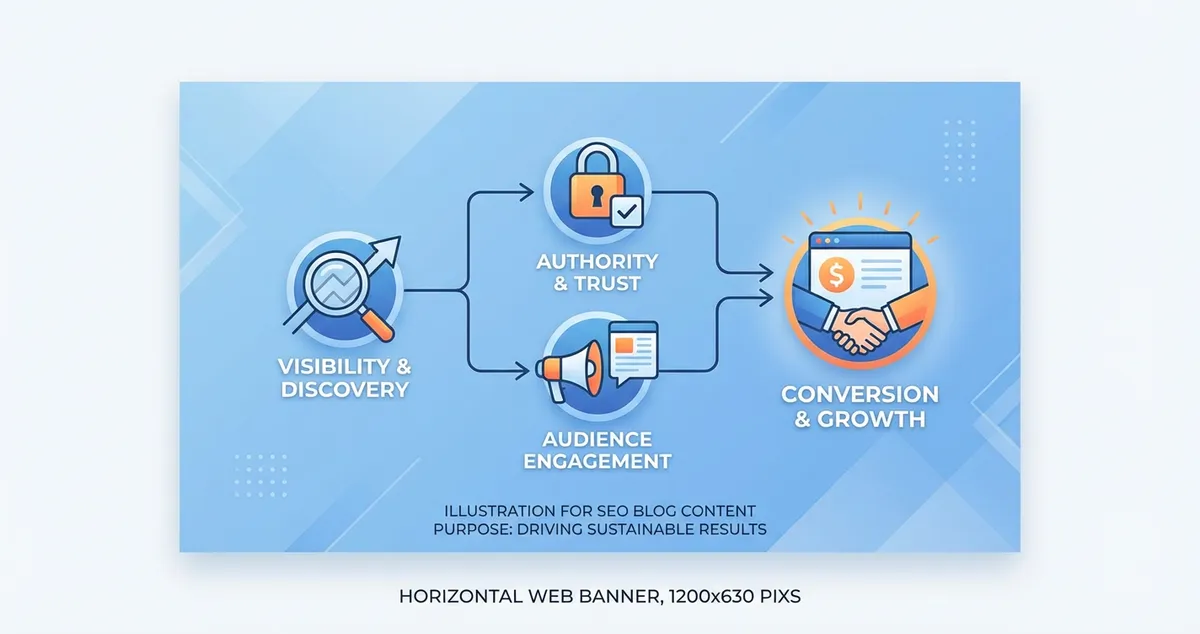
Online ordering setup process
Pro Tip: Start with collection-only orders. This removes delivery complexity and lets you focus on getting the ordering flow right before adding logistics.
Commission-Free vs Third-Party Platforms: When to Use Each
This isn't about abandoning Just Eat and Deliveroo entirely. It's about strategy with online ordering for small restaurants.
For example, a Thai restaurant in Bristol uses Deliveroo for new customer acquisition but routes regulars to their GloriaFood system. They keep commission below 15% of total revenue.
Use third-party platforms for:
- Reaching new customers who don't know you exist yet
- Peak times when you have kitchen capacity to spare
- Promotional visibility when launching or running a campaign
Use direct online ordering for small restaurants for:
- Repeat customers who already know and love your food
- Higher-margin orders where 30% commission hurts most
- Building a customer database you actually own
Business of Apps (2026) shows that delivery platforms can drive 30-50% of a restaurant's revenue. The question isn't whether to use them - it's whether you're strategically moving customers to direct channels once they've discovered you.
A practical approach for online ordering for small restaurants: a gastropub in Sheffield includes a card in every delivery order saying "Order direct and save 10%". By August 2025 - six months after starting - 40% of their repeat customers ordered direct.
Related: Restaurant Commission-Free Ordering - deeper strategies for reducing platform dependency.
Choosing the Best Online Ordering for Small Restaurants
With all options on the table, here's how to make your decision quickly. Would I spend hours researching when I could be serving customers? Of course not.
If You Only Have 30 Minutes a Week
Day 1-2: Sign up for Square Online or GloriaFood (free, takes 10 minutes)
Day 3-4: Add your 10 best items with photos and descriptions
Day 5-7: Share the ordering link on your Google Business Profile and test with one real order
That's the minimum viable approach for online ordering for small restaurants. You can refine later, but getting started matters more than getting perfect.
For most UK small restaurants, Square Online typically offers a solid combination of simplicity, free setup, and low card processing fees. GloriaFood works well if you want more customisation. Ordingo is worth considering if you want a UK-based provider with local support.
Would I order from my own restaurant's website? If the answer is no, that's where you start improving. Ask yourself: is the menu easy to browse? Can someone order in under two minutes?
Would I use a platform that takes 30% of my revenue when free alternatives exist? That's the question every small restaurant owner should ask before renewing their aggregator contracts.
Key Takeaways
If you run a restaurant and want to see how Local Brand Hub can support your marketing, explore our restaurant marketing tools.
Key Takeaways
Online ordering for small restaurants has evolved dramatically in 2026. You don't need to choose between expensive custom development and high-commission platforms. Free, professional systems now let any restaurant take orders directly.
What to remember:
- Third-party platforms charge 14-35% commission per order
- Free alternatives like Square Online, GloriaFood, and Ordingo exist
- Direct online ordering for small restaurants builds your customer database, not the platform's
- Starting simple beats waiting for the perfect solution
- Converting repeat customers to direct ordering has the highest ROI
Action Checklist
- Calculate how much you pay in delivery platform commissions each month
- Sign up for one free ordering platform this week
- Upload your top 10 menu items with photos
- Add your ordering link to Google Business Profile
- Include "order direct" cards in your delivery orders
- Track direct orders weekly and compare to platform orders
Weekly Action
This week, take one step toward owning your online ordering for small restaurants:
- Day 1-2: Sign up for Square Online or GloriaFood (free, 10 minutes)
- Day 3-5: Add your top 10 menu items with photos
- Day 6-7: Add the ordering link to your Google Business Profile
Next Step: Choose a free platform and upload your first menu items. Most restaurants start taking orders within hours, not weeks.
Related: Best Online Ordering System for Restaurant - in-depth comparison of premium and free options.
Need Help Setting Up Online Ordering?
At LocalBrandHub, we help UK restaurants build profitable direct ordering channels. Whether you're choosing your first online ordering for small restaurants platform or optimising an existing system, get in touch to discuss your needs.
Get More Marketing Tips
Practical marketing tips for UK business owners, straight to your inbox. No spam, unsubscribe anytime.
About the Author
Local Brand Hub
Empowering UK Businesses
Local Brand Hub provides comprehensive business management tools designed specifically for UK local businesses to streamline operations, automate marketing, and grow revenue.
More articlesRelated Articles
 Operations
Best Online Ordering System for Restaurant: UK Prices
Compare the best online ordering system for restaurant use in the UK on the prices Square, storekit and GloriaFood publish, plus the checks first.
 Operations
Restaurant Commission Free Ordering: Keep Every Sale
Restaurant commission free ordering helps UK owners keep 15-30% more per order. Compare platforms, see setup costs, and calculate your potential savings.
 Operations
Restaurant Delivery System: UK Costs, Types & Setup Guide
Compare restaurant delivery system options for UK restaurants. Discover POS integration, costs from £0-200/month, commission-free ordering setup and tips.