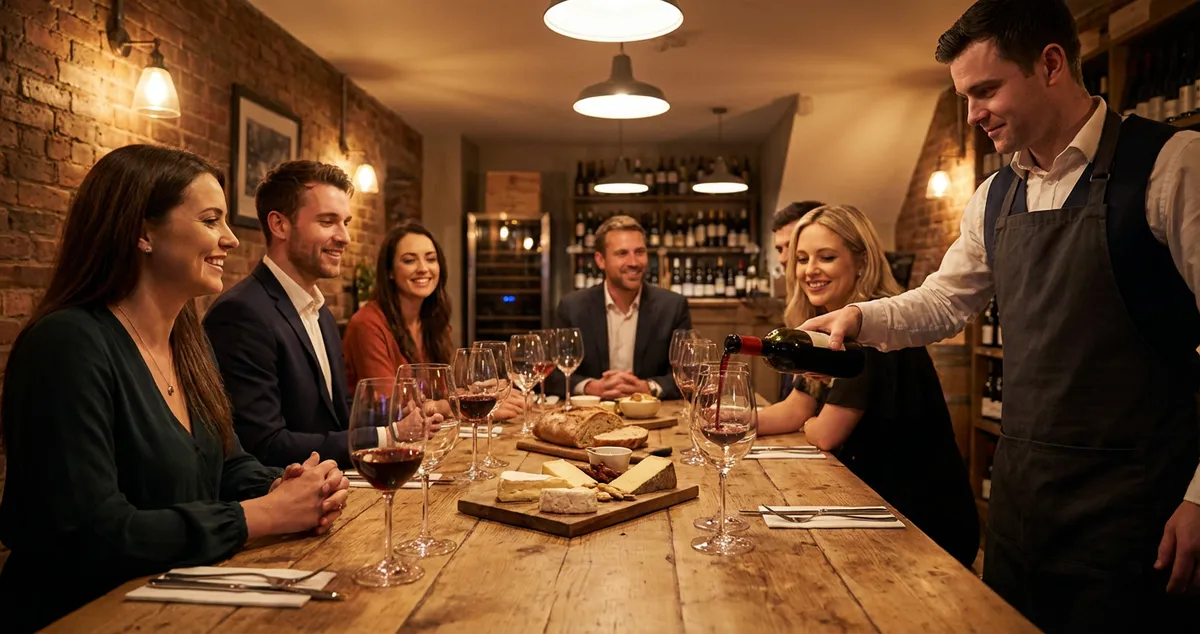
Learn how to host profitable wine tasting events at your restaurant. Discover formats, pricing strategies, and practical tips to boost revenue and loyalty.
Restaurant wine tasting events transform quiet midweek evenings into profitable experiences that build customer loyalty. With UK wine tourism growing at nearly 11% annually and vineyard visits up 55% year-on-year, diners are actively seeking wine experiences closer to home. This guide shows you how to plan, price, and promote wine tasting events that work for independent restaurants.
You're looking at another quiet Wednesday night. Tables are empty, staff are standing around, and you're wondering why people pack the place on Saturdays but disappear midweek. Meanwhile, down the road, a restaurant half your size has a waiting list for their monthly wine night.
The difference? They've figured out something most independent restaurants overlook: wine tasting events don't just fill seats on slow nights. They create a reason for customers to come back, spend more, and tell their friends.
Info
Related: See our restaurant event ideas for more ways to fill quiet nights.
What You'll Learn About Wine Tasting Events
- How to choose the right wine tasting format for your restaurant
- Practical pricing strategies that protect your margins
- Step-by-step planning from supplier partnerships to promotion
- Ways to turn one-time attendees into regular customers
- A minimum viable approach if you're short on time
Why Wine Tasting Events Work for UK Restaurants
So you understand the concept. But before diving into formats and pricing, let's look at why restaurant wine tasting events are worth your limited time in the first place.
The numbers tell a clear story. UK wine tourism reached an estimated USD 15.5 billion in 2025, with projected growth to USD 43.5 billion by 2035 according to Future Market Insights. More relevant for restaurants: 1.5 million people visited UK vineyards in 2023, a 55% increase from the previous year according to the WineGB Tourism Report.
But here's what matters for your restaurant: these wine-curious customers don't always want to travel to a vineyard. They want quality wine experiences locally. And restaurants that offer them capture spending that would otherwise go elsewhere.
Wine events also solve a practical problem. That quiet Tuesday or Wednesday evening? It becomes your most profitable night when you're charging £35-£50 per head for a curated experience instead of hoping for walk-ins.
If you're thinking "I don't have time for this," you're not alone. Most restaurant owners feel the same way. But wine events don't need to be complicated. A simple tasting format, done consistently, often beats elaborate one-off productions.
Info
Related: See our guide on building customer loyalty for restaurants to keep event attendees coming back.
Choosing the Right Wine Tasting Format
That's the why. Now let's get practical with the how. Not every wine event suits every restaurant. Your format should match your space, your team's expertise, and what your customers actually want.
Guided Tasting Evenings
Often the most popular format. A sommelier or knowledgeable staff member leads guests through four to six wines, explaining origins, tasting notes, and food pairings. Works well for restaurants with 20-40 seats available.
Best for: Restaurants with wine-confident staff and an existing wine-focused identity.
Food and Wine Pairing Dinners
Each course comes with a matched wine. This format typically commands higher prices because you're selling food and wine together. Typical events feature four to five courses with corresponding wines.
Best for: Restaurants known for their food quality who want to showcase the kitchen alongside wine.
Themed Tastings
Focus on a region (English sparkling, Rioja, Burgundy), a grape variety, or a concept like "old world versus new world." Themes give you marketing angles and make events easier to promote on social media.
Best for: Building a regular calendar where each month offers something different.
Blind Tasting Competitions
Guests taste wines without knowing what they are and guess grape, region, or price point. Interactive and social, these events often work well for groups and corporate bookings.
Best for: Restaurants targeting younger demographics or corporate team events.
For most independent restaurants, start with guided tasting evenings. They're generally simpler to execute, require less kitchen coordination, and let you test demand before investing in more complex formats.
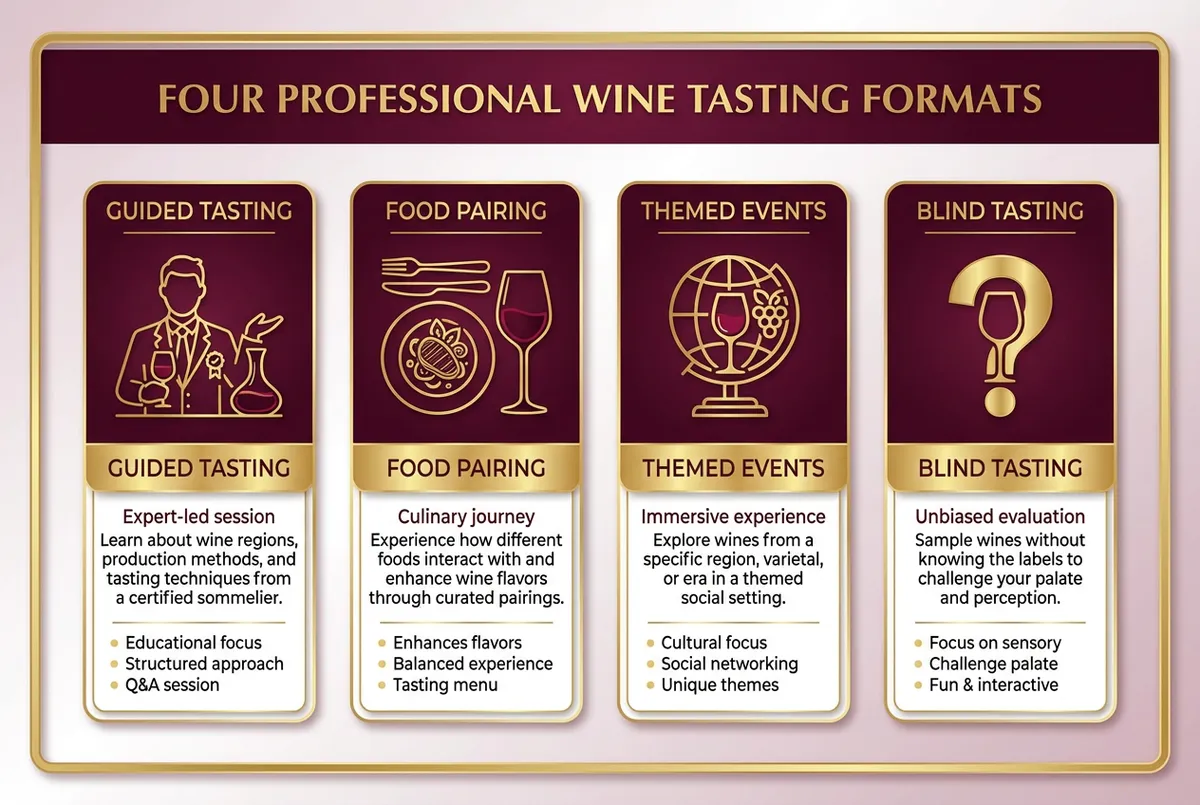
Choose the format that matches your space and expertise
Pricing Your Wine Events for Profit
You've picked a format for your restaurant wine tasting events. Now comes the question that determines whether this actually makes money. Getting pricing right protects your margins while keeping events accessible. Price too low and you'll work harder for less profit than regular service. Price too high and seats stay empty.
Cost Structure Breakdown
Your costs typically include:
- Wine: 3-6 bottles per guest (50-75ml pours each). Budget £3-£8 per bottle wholesale depending on quality
- Food: Nibbles or small plates if not doing a full pairing dinner
- Staff: Additional hours for setup, service, and breakdown
- Materials: Tasting notes, branded materials if applicable
Pricing Guidelines
| Event Type | Typical UK Price Range | Target Margin |
|---|---|---|
| Guided tasting (wines only) | £25-£40 per person | 60-70% |
| Food and wine pairing | £45-£75 per person | 55-65% |
| Premium or rare wine tasting | £60-£100+ per person | 50-60% |
A gastropub using these guidelines might price a Thursday evening tasting at £35 per head, including five wines and cheese. With wholesale wine costs around £20 for the bottles used per guest (shared across tasters), food at £5, and allocated labour at £3, that's £28 cost for £35 revenue, delivering a 20% margin before considering increased bar spend before and after the event.
That 20% might seem thin, but wine events generate revenue beyond the ticket price. Guests arrive early for drinks. They stay after for coffee or another glass. They book tables for regular dining because they now have a relationship with your restaurant.
The Real Value of Wine Events
A successful restaurant wine tasting event isn't about selling wine. It's about selling your restaurant to people who might never have become regulars otherwise.
Info
Related: See our restaurant pricing strategies for broader margin optimisation.
Planning Your First Wine Event
Here's where theory meets reality. You've decided to host restaurant wine tasting events and worked out your pricing. Now what actually needs to happen?
You don't need to overthink this. The restaurants that succeed with wine events treat them like any other service, just with a different structure.
For example, a neighbourhood Italian bistro in Birmingham ran their first wine event with zero wine expertise on staff. They partnered with their existing supplier, who provided a representative to lead the tasting. The restaurant handled promotion, sold 24 tickets at £32 each, and cleared over £300 profit on a Tuesday night that would normally bring in under £200.
Four Weeks Before
Secure your wine supplier partnership. Most wine merchants offer sale-or-return for events, meaning you only pay for bottles opened. This removes the risk of overordering. Contact your existing supplier first. They often have event packages specifically for restaurants.
Set your date and capacity. Choose a typically quiet night. Start with 20-30 guests maximum for your first event. Smaller groups let you refine your approach before scaling.
Create your wine selection. For a five-wine tasting, consider: one sparkling or light white to start, two contrasting whites or a white and rosé, then two reds progressing from lighter to fuller bodied. Your supplier can suggest specific bottles based on your price point.
Two Weeks Before
Promote through existing channels. Email your customer database first. Post on social media with a clear booking link. Add table talkers and mention it to regulars during service.
Brief your team. Even if you're leading the tasting yourself, front-of-house staff need to understand the format, timing, and what guests can expect.
Prepare your tasting notes. Keep these simple. Grape variety, region, a few tasting descriptors, and one interesting fact about each wine. Guests want context, not a lecture.
Event Day
Set up early. Arrange seating for conversation. Ensure you have enough glassware (one glass per wine per guest, or water for rinsing between pours). Have water and palate cleansers available.
Pace your service. Allow 10-15 minutes per wine. A five-wine tasting typically runs 60-90 minutes. Don't just read tasting notes aloud or you'll bore guests. The biggest mistake is treating it like a lecture instead of a conversation.
Collect feedback and contact details. A simple feedback card or email signup captures information for future events and regular marketing.
Building Wine Events Into Your Marketing
Your first event went well. People showed up, drank wine, seemed happy. Now the real work begins: turning one-off restaurant wine tasting events into a marketing engine that keeps working.
One successful event is good. A regular programme is better. Wine events work best as part of an ongoing marketing rhythm rather than occasional experiments, and our seasonal campaign library can map those events to the UK calendar for you.
Creating a Regular Calendar
Monthly events work well for most restaurants. It's frequent enough to build momentum but gives you time to promote each one properly. Consider:
- Monthly house tasting: Same format, different wines each month
- Quarterly special events: Premium wines, visiting winemakers, or themed dinners
- Seasonal specials: English Wine Week (June), harvest season events (autumn)
Info
Related: See our social media marketing for restaurants guide to promote your events effectively.
Promoting Through Social Media
Wine events are naturally visual. Behind-the-scenes setup shots, images of lined-up bottles, happy guests (with permission), and tasting notes all perform well on Instagram.
If you're only promoting events sporadically you'll always lose to competitors who treat marketing as part of daily operations, not an afterthought.
Turning Attendees Into Regulars
The real value of wine events often isn't ticket revenue. It's creating customers who think of your restaurant first.
Ask yourself: if you attended your own wine event as a guest, would you be excited to come back for dinner? Would you tell a friend? If the answer is "maybe," your events need more personality.
After each event:
- Follow up by email with wine recommendations they can order from your list
- Invite them to your next event before public announcement
- Offer a small incentive for booking a regular table within 30 days
If you can't tell whether wine events are actually bringing in new regular customers or just entertaining the same faces each month, that's usually a sign your tracking needs tightening.
Minimum Viable Wine Events
If you're reading this after a 12-hour shift thinking "I don't have time for this," here's the stripped-back version.
If You Only Have 30 Minutes a Week
- Day 1-2: Call your wine supplier about a sale-or-return arrangement
- Day 3-4: Pick a quiet night, set capacity at 20, price at £30-£35, choose five wines
- Day 5-7: Email your customer list and post on social media with a booking link
That's enough. One event. Minimal risk. Maximum learning.
You'll learn more from running one simple event than from months of planning the perfect one. The question isn't whether you have time for wine events. It's whether you have time to leave money on the table every quiet night.
Why this matters: If you wait until you have time to do this "properly," you'll never start. The restaurants filling their quiet nights with wine events didn't have more time than you. They just started smaller.
You can always add food pairings, themes, and elaborate marketing later. Start simple. See what works. Adjust.
Legal Considerations for UK Wine Events
Before you announce your first restaurant wine tasting event, make sure you're covered legally. This isn't complicated, but getting it wrong can be costly.
Hosting wine events at your licensed premises falls under your existing premises licence in most cases. However, check these points:
- Existing licence scope: Most restaurant licences cover selling alcohol with food. Standalone wine tastings may require a different authorisation depending on your licence conditions
- Private hire: If you're closing to the public for a private event, ensure your licence covers private functions
- Wine sales to take home: Selling bottles for off-premises consumption requires an off-licence condition
According to gov.uk licensing guidance, any changes to how you sell alcohol should be discussed with your local licensing authority before proceeding. A quick conversation prevents problems later.
Key Takeaways
If you run a restaurant and want to see how Local Brand Hub can support your marketing, explore our restaurant marketing tools.
Key Takeaways
Wine tasting events give independent restaurants a practical way to fill quiet nights, increase customer spend, and build loyalty. The UK wine experience market is growing, and restaurants positioned to capture that demand gain an advantage.
Start simple:
- Choose guided tastings as your first format
- Price to protect margins while remaining accessible (£30-£50 range)
- Partner with a supplier offering sale-or-return
- Promote through email and social media to existing customers first
- Follow up to convert attendees into regulars
The restaurant down the road with the waiting list didn't start with elaborate multi-course wine dinners. They started with a simple idea, executed consistently.
Weekly Action
- Contact your wine supplier about sale-or-return arrangements for restaurant wine tasting events
- Choose one quiet night next month for your first event
- Draft a simple email announcement to your customer list
- Set your ticket price using the pricing guidelines above
Info
Explore our detailed guides:
- Restaurant Events - Complete UK planning guide
- Restaurant Event Ideas - Creative concepts for every venue type
- Restaurant Themed Nights - Weekly event formats
For UK restaurants
Need Help Marketing Your Wine Events?
Local Brand Hub helps independent restaurants manage social media, email marketing, and local SEO from one simple platform.
Start freeGet More Marketing Tips
Practical marketing tips for UK business owners, straight to your inbox. No spam, unsubscribe anytime.
About the Author
Local Brand Hub
Empowering UK Businesses
Local Brand Hub provides comprehensive business management tools designed specifically for UK local businesses to streamline operations, automate marketing, and grow revenue.
More articlesRelated Articles
 Operations
Restaurant Event Planning: Complete UK Checklist for 2026
Plan profitable restaurant events with this UK checklist. Covers budgets, pricing tiers, promotion timelines, and staffing requirements.
 Operations
Restaurant Events: Complete UK Planning Guide
Plan restaurant events that fill tables and build loyalty. From private dining to themed nights, with budgets, timelines, and promotion tactics.
 Operations
Restaurant Live Music: A Practical Guide for UK Owners
Add live music to your UK restaurant with this practical guide. Covers PRS licensing, musician fees from £200, and booking strategies that work.