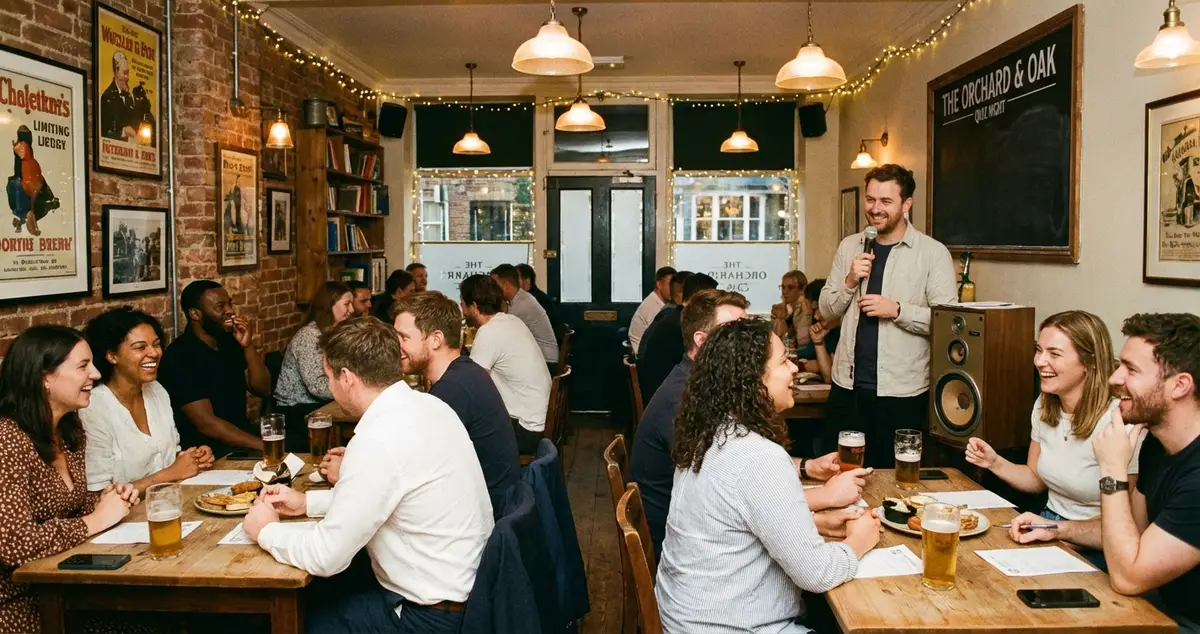
Proven restaurant event ideas that boost bookings and fill quiet nights. From quiz nights to VIP launches, strategies that work for UK pubs.
You've tried happy hours. You've posted on social media. Yet Wednesday nights still feel like a ghost town. The pub down the road has a queue for their quiz night: 47% of UK restaurants report events as their top revenue driver. The difference isn't luck: it's having a proper strategy for restaurant event ideas.
Info
Related: See our guides on restaurant marketing ideas and restaurant social media marketing for broader strategies.
What You'll Learn
- How the 30/30/30 rule affects your restaurant event ideas profitability
- Which menu items deliver high margins at events
- Practical restaurant event ideas for trivia nights, charity events, and grand openings
- A minimum viable plan if you only have 30 minutes a week
- How to attract guests without blowing your marketing budget
What Is the 30/30/30 Rule for Restaurants?
So what does financial planning have to do with restaurant event ideas? Everything, as it turns out.
The 30/30/30 rule is a framework that helps restaurant owners allocate revenue across three major expense categories: roughly 30% for food costs, 30% for labour, and 30% for overhead, leaving around 10% as profit. Understanding cost structures is essential for hospitality success.
Understanding this rule matters for events because it affects which activities actually make you money:
- Tasting menu nights with premium ingredients can spike food costs to 40%, eating into slim profit margins
- Trivia nights with drinks specials keep food costs low while driving high-margin beverage sales
That said, this framework is somewhat outdated: modern restaurants face rising labour costs and food inflation that shift the percentages. A gastropub in Manchester operates differently from a fine dining spot in London. Use it as a starting benchmark, not a rigid rule.
For event planning, the takeaway is simple: prioritise events that drive beverage sales and keep ingredient costs predictable. Trivia nights, themed cocktail evenings, and ticketed experiences typically outperform elaborate food-focused events on pure margin.
For example, a gastropub in Leeds might run a "Curry & Quiz" night where the set curry menu keeps food costs at exactly 28%, while drink sales during the two-hour event push beverage revenue up 40% compared to a standard Thursday.
Which Menu Items Are Typically Most Profitable?
Now that you understand how the 30/30/30 rule affects your event profitability, let's look at which menu items actually make you money.
The most profitable item strategy is a framework that focuses on beverages: it's a category rather than a single dish. Drinks, particularly alcoholic ones, consistently deliver high profit margins in hospitality, with cocktails typically achieving gross margins between 70% and 85%, while fountain drinks can see markups exceeding 1,000%.
For events, this insight is gold. A trivia night where teams buy rounds of drinks generates far more profit than a discounted set menu. Coffee and speciality beverages also perform well, with some operations achieving 80%+ gross margins on craft drinks.
For example, a wine bar in Bristol might run a "Blind Tasting Tuesday" where five sample pours cost £3 to pour and sell for £15 per guest. With 30 guests, that's £360 from tastings alone, before anyone orders a full glass.
When planning your event menu, consider these high-margin options:
- Signature cocktails: Create an event-themed drink that costs £1.50 to make and sells for £9
- Craft beers: Local brewery partnerships add perceived value with strong margins
- Coffee-based drinks: Ideal for afternoon or brunch events
- Fried appetisers: Deliver roughly 75% profit margins, among the higher margins in your kitchen
If you're reading this thinking "I don't have time for fancy cocktails": you're not alone. A simple house pour special works just as well. The key is steering guests toward drinks rather than heavily discounting food.
What Is a 10 Top in a Restaurant?
Here's where restaurant event ideas get interesting: it's not just about filling seats, it's about filling the right seats.
The 10 top rule is a framework that refers to tables seating 10 guests. The word "top" is industry shorthand for party size, so "4 top" means four guests, "8 top" means eight, and so on. Understanding this helps with restaurant event ideas because larger tops mean higher revenue.
Why does this matter for events? Large party bookings are where events become profitable. For example:
- A trivia night that attracts five 8-tops generates far more revenue than 40 individual walk-ins
- Corporate quiz nights, birthday celebrations, and family gatherings all represent high-value "big top" opportunities
Edinburgh Bistro Quiz Night
A bistro in Edinburgh found that their Thursday quiz attracted mostly couples (2-tops) until they started advertising "tables for teams of 6-8 available." Within a month, average covers per table jumped from 2.4 to 5.8, same event, same effort, but more than double the drinks sold.
If you're only posting when it's quiet in the restaurant, your event marketing will always lose to competitors who treat it as part of operations, not an afterthought.
When promoting restaurant event ideas, specifically target group bookings:
- Offer a reserved table for teams of 6-10 at your quiz night
- Create group packages for hen parties or work socials
- Partner with local businesses for corporate team nights
Info
Related: See our guides on pub event ideas and restaurant opening event ideas.
The restaurant down the road that's always busy on Thursday nights? They've figured out how to fill their 8-tops and 10-tops consistently. That's usually a sign the event strategy needs tightening if your large tables sit empty.
Track Your Covers
Track your covers per table at events versus regular service. If you're averaging 2.5 covers per table on event nights when your tables seat 6, you're leaving money on the table, literally.
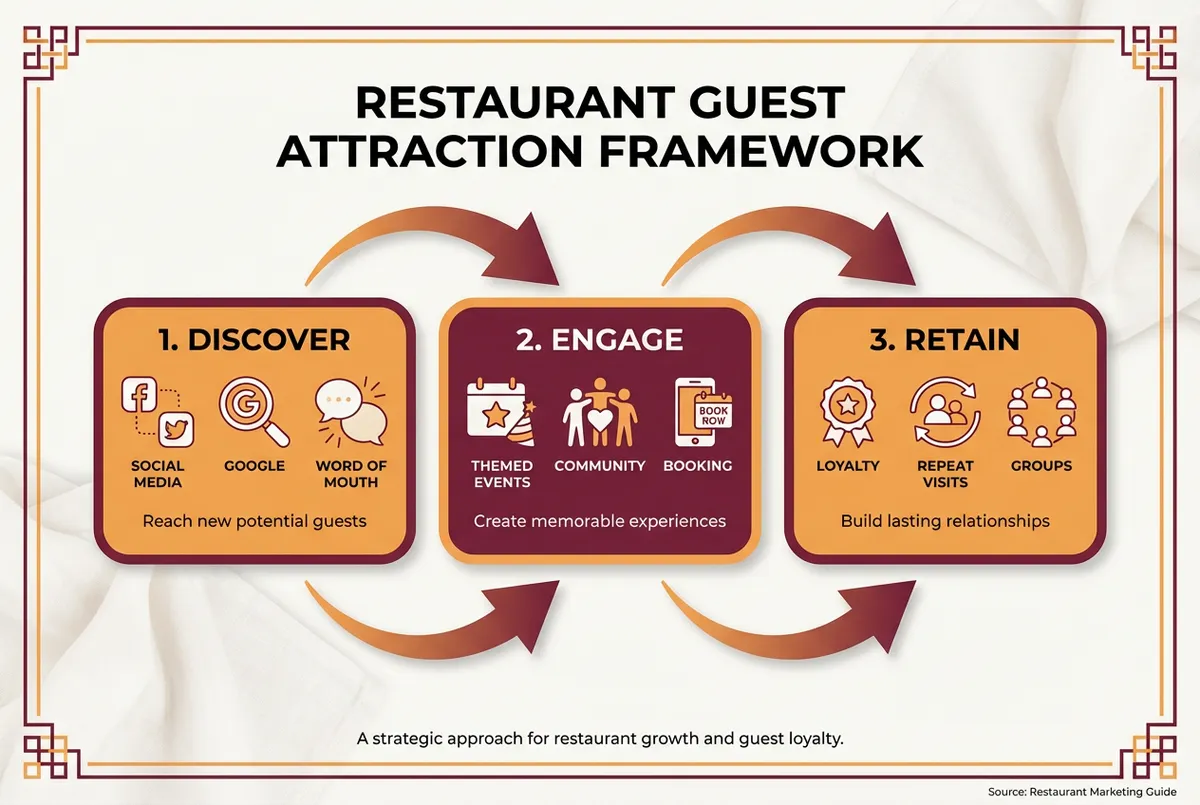
The guest attraction framework: discover, appeal, book
How to Attract Guests to Your Restaurant Events
You've got the event planned. The menu's sorted. But if nobody knows about it, you'll be hosting a very expensive private dinner for yourself.
Attracting guests to your restaurant event ideas comes down to three things: making discovery easy, creating genuine appeal, and removing friction from booking. According to UKHospitality's industry research, around 45% of UK diners now discover new restaurants through social media, while a third use Google to find places to eat.
Here's a practical framework. For instance, a gastropub might:
1. Optimise for Discovery
- Claim and update your Google Business Profile with event details
- Post event announcements on Instagram and Facebook at least a week ahead
- Use location hashtags so local searchers find you
2. Create Genuine Appeal
- Themed events outperform generic "come visit us" promotions
- Partner with local causes: about 53% of restaurants now invest in community events and charity sponsorships
- Offer something worth talking about: a prize, an experience, or exclusive access
3. Remove Booking Friction
- Enable online reservations for events
- Send SMS or email reminders: text marketing delivers strong ROI
- Make group booking easy with clear pricing for tables of 6+
Newcastle Italian Restaurant
An Italian restaurant in Newcastle added a simple "Book your team's table" link to their Instagram bio and quiz night posts. Bookings for groups of 6+ jumped from 2 per week to 8 within the first month, same event, just easier to reserve.
Minimum viable approach: If you only have 30 minutes a week, focus on one thing: posting your next event on Instagram with a booking link, using our AI social post generator to draft the caption fast. That's enough to start building momentum.
A gastropub using this framework might:
- Week 1: Post about their Thursday quiz night with a photo of last week's winners
- Week 2: Share a behind-the-scenes story of the quiz master preparing questions
- Week 3: Announce a special prize and tag a local sponsor
Would you follow your own restaurant's account? If the answer is no, that's your starting point for improvement.
If you're only posting event announcements when you're already quiet, you'll always lose to competitors who plan their restaurant event ideas marketing a month ahead.
What to Do for a Restaurant Grand Opening
With regular events covered, let's tackle one of the most significant restaurant event ideas you'll run: your grand opening.
A restaurant grand opening should combine strategic marketing with operational readiness. Many successful launches include a soft opening one to two weeks before the main event, giving you time to fix issues and gather feedback.
Essential grand opening elements:
- Soft launch first: Invite friends, family, and local influencers to test your service before going public
- VIP media night: Inviting influencers to your soft opening can be incredibly effective: guests often create Instagram content that boosts your following
- Ribbon-cutting ceremony: Invite local dignitaries or community figures to add credibility
- Charity partnership: Feed homeless people, raise funds for a local cause, or donate a percentage of opening night sales
Timeline for your grand opening:
| Week | Action |
|---|---|
| 4 weeks out | Finalise date, start social media teasers |
| 2 weeks out | Host soft opening for friends and family |
| 1 week out | VIP/media preview night |
| Opening day | Ribbon cutting, live entertainment, special offers |
For most new UK restaurants, starting with a soft launch followed by a dedicated media night often offers an excellent combination of operational testing and publicity.
If you're thinking about opening during a bank holiday weekend, that timing can work in your favour. People love eating out during holidays, and the extended weekend gives you multiple opportunities to fill tables.
Info
Related: See our complete guide to restaurant opening event ideas.
10 Proven Restaurant Event Ideas That Work
Enough theory. Here's the practical list of restaurant event ideas that work for independent restaurants, pubs, and bars across the UK:
Quick Wins (Low Effort, High Return)
Weekly quiz night: Charge £2 per person entry, offer a bar tab or reserved table as the prize. Quizzes build loyalty: winning teams return.
Themed nights: Taco Tuesdays, Wine Wednesdays, or Curry Thursdays. Simple branding that creates weekly habits.
Live acoustic music: A guitarist costs less than you'd think and transforms a quiet Wednesday into an evening out.
Community Builders
Charity quiz night: Charge £150-£300 per table of 8-12 people, partner with local businesses as sponsors, and donate proceeds. You'll fill the room and build goodwill.
Local artist showcase: Host an exhibition opening with drinks. The artist brings their network; you provide the venue.
Networking breakfast: Monthly morning events for local business owners. Coffee margins are excellent, and you'll build B2B relationships.
Premium Experiences
Wine or whisky tasting: Ticketed events with a sommelier or brand ambassador. High perceived value, strong margins on featured bottles.
Chef's table experience: Limited seats, set menu, storytelling from the kitchen. Premium pricing works when the experience feels exclusive.
Cooking class: Teach a signature dish, serve the meal, send guests home with the recipe. Creates memorable experiences that generate word-of-mouth.
Seasonal & Special
- Sunday roast club: A loyalty scheme for your roast: book a month in advance, get priority seating. Builds committed regulars.
If You Pick Just One
Start with a weekly quiz night. It requires minimal investment (under £50 for prizes and equipment), drives beverage sales, and creates a recurring reason for customers to return. Many UK pubs that succeed with events built their momentum from a reliable weekly quiz.
What doesn't work: Discounting your best dishes to attract crowds: that rarely works long-term. You'll fill tables but destroy your margins. Running a "50% off everything" event rarely works twice because you've trained customers to wait for discounts.
Key Takeaways
If you run a restaurant and want to see how Local Brand Hub can support your marketing, explore our restaurant marketing tools.
Key Takeaways
Restaurant event ideas work best when they drive high-margin sales (beverages), attract group bookings (8-tops and 10-tops), and create reasons for customers to return regularly.
Weekly Action
This Week: Launch One Event
- Day 1-2: Choose one event type from this list that fits your venue and audience
- Day 3-4: Set a date, create a simple Facebook event or Instagram post
- Day 5-7: Promote to your existing customers via email or in-venue signage
If you only have 30 minutes this week: Pick quiz night, set a date four weeks out, and post one announcement. That's your floor: everything else builds from there.
The 30/30/30 rule reminds us that profit margins in hospitality are tight. Events that fill quiet nights with beverage-focused gatherings will outperform elaborate food experiences on pure numbers.
Your competitors don't have bigger budgets. They have smaller gaps between events.
Info
Explore our detailed guides:
- Restaurant Events - Complete UK planning guide
- Restaurant Private Dining - Set menus, pricing, and booking systems
- Restaurant Corporate Events - Business booking strategies
- Restaurant Themed Nights - Weekly event formats
- Restaurant Live Music - Entertainment licensing and booking
For UK restaurants
Ready to Systematise Your Restaurant Events?
Local Brand Hub helps independent restaurants plan, promote, and track events without the marketing headache.
Start freeGet More Marketing Tips
Practical marketing tips for UK business owners, straight to your inbox. No spam, unsubscribe anytime.
About the Author
Local Brand Hub
Empowering UK Businesses
Local Brand Hub provides comprehensive business management tools designed specifically for UK local businesses to streamline operations, automate marketing, and grow revenue.
More articlesRelated Articles
 Operations
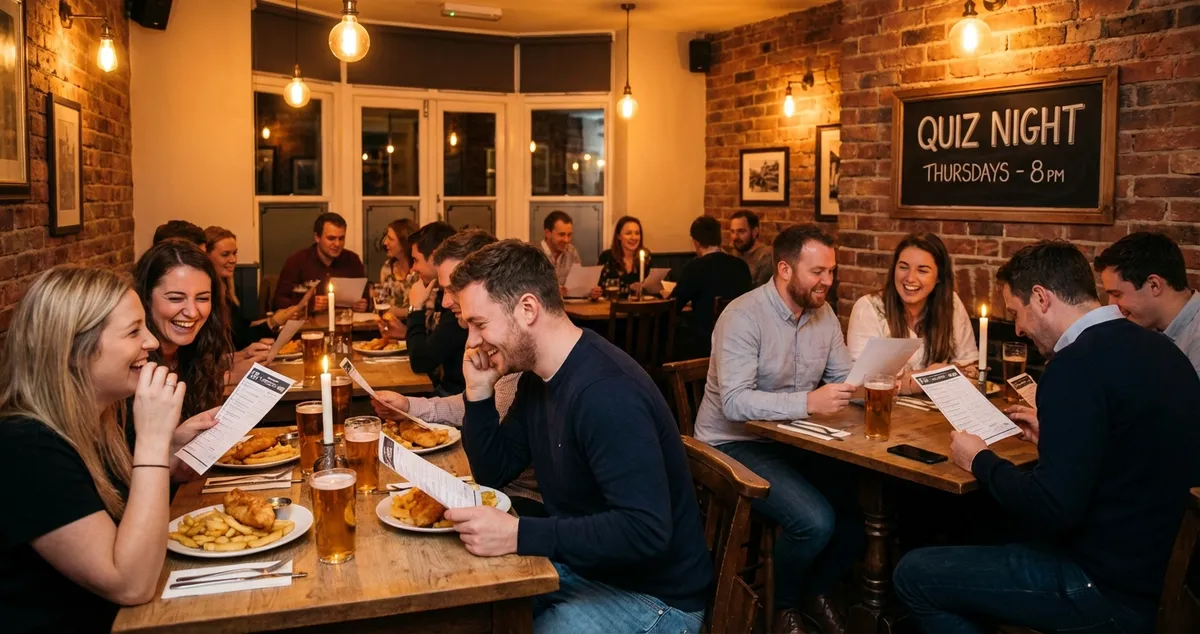
Restaurant Themed Nights: Fill Tables on Slow Days
Restaurant themed nights that boost midweek bookings by up to 50%. From quiz nights to cultural events, find ideas you can launch.
 Operations
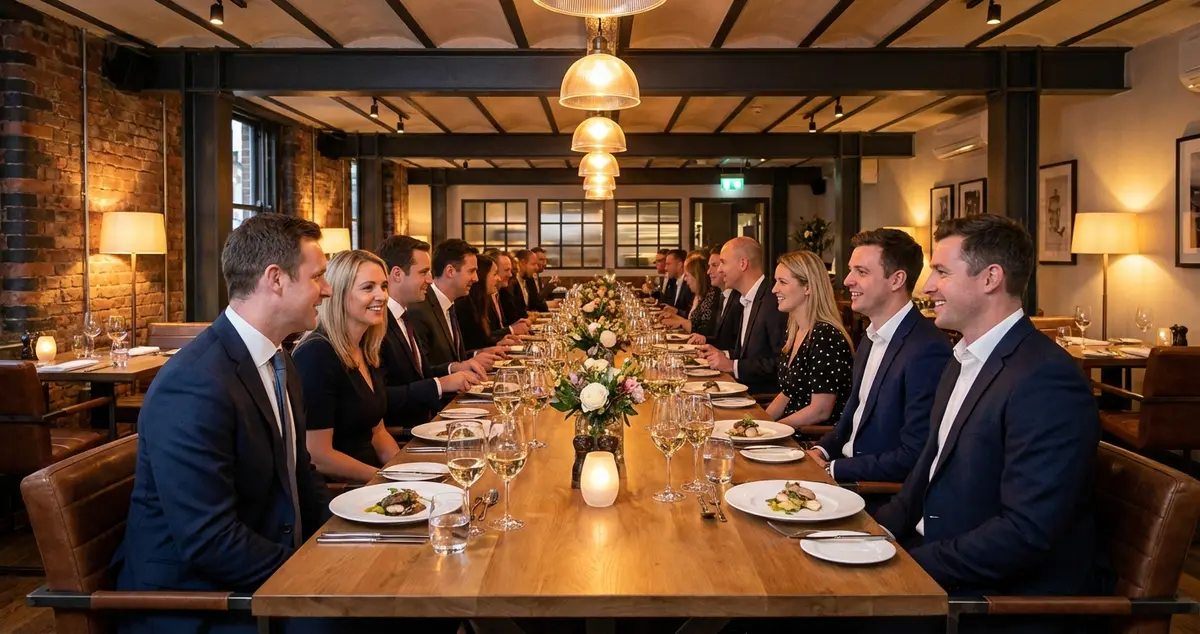
Restaurant Corporate Events: The UK Venue Guide 2026
Guide to hosting profitable restaurant corporate events in the UK. Pricing, packages, marketing, and planning tips for venue success.
 Operations
Restaurant Event Planning: Complete UK Checklist for 2026
Plan profitable restaurant events with this UK checklist. Covers budgets, pricing tiers, promotion timelines, and staffing requirements.