Plan your hospitality digital marketing on a tight budget. Practical checklists and channel strategies for UK restaurants and venues.
Hospitality digital marketing is the practice of using online channels like social media, search engines, email, and websites to attract guests and drive bookings for hotels, restaurants, and venues. For independent businesses, it means reaching potential customers where they already spend time online without needing big budgets or dedicated teams.
You've just finished a 12-hour shift. Your feet ache. The kitchen's finally quiet. And somewhere between cashing out and locking up, you're supposed to figure out this whole hospitality digital marketing thing. Sound familiar?
The big hotel chains have teams dedicated to this. You've got a phone, a quiet Wednesday night, and about thirty minutes before exhaustion wins. The good news? That's actually enough to start making real progress.
This hospitality digital marketing guide strips away the jargon and gives you practical strategies that work for independent venues. Whether you run a boutique hotel, a neighbourhood restaurant, or a local pub, you'll find approaches that fit your budget and your reality.
Based on our experience helping hundreds of independent restaurants and hotels with their marketing, this guide covers exactly what works.
What You'll Learn:
- What hospitality digital marketing actually means (and what it doesn't)
- The 70/20/10 rule for allocating your limited marketing budget
- How much agencies really charge (and when DIY makes more sense)
- The 5 C's framework for exceptional guest experiences
- Four types of digital marketing that deliver results for hospitality
Info
Related: Restaurant Marketing Strategies
What Is Digital Marketing in the Hospitality Industry?
First, let's establish what hospitality digital marketing actually means. The digital-first rule is a framework that prioritises online channels to attract guests, drive bookings, and build lasting relationships with customers. It includes everything from social media posts and email campaigns to search engine optimisation and paid advertising.
With over 5.4 billion people using social media globally, these platforms have become primary channels for reaching potential guests.
For independent venues, effective hospitality digital marketing doesn't mean matching enterprise budgets. It means being strategic about where your limited resources go.
Understanding why this matters is the first step toward building an approach that works for your specific situation.
Why It Matters for Your Business
If you're thinking "I don't have time for this," you're not alone. The reality for most independent restaurants and small hotels is constant pressure, limited staff, and unpredictable schedules. But the numbers tell an important story.
Approximately 61% of travellers have booked a hotel after seeing it on Instagram. That's not a marketing statistic. That's potential customers making decisions about where to spend their money based on what they see online.
If you can't tell whether your Instagram brings in bookings or just likes, that's usually a sign your tracking needs attention.
You don't need enterprise-level technology. You need consistent presence and authentic content that speaks to your actual guests.
Info
With the why established, let's look at a practical framework for dividing your limited marketing time and budget.
What Is the 70/20/10 Rule in Digital Marketing?
Now let's look at a practical framework for allocating your limited time and budget. The 70/20/10 rule is a budget allocation framework that divides your marketing resources into three categories: 70% for proven channels that already work, 20% for emerging opportunities worth testing, and 10% for experimental ideas with high potential.
This framework helps hospitality businesses balance stability with innovation. Here's how it breaks down:
| Category | Allocation | Focus |
|---|---|---|
| Proven activities | 70% | Channels delivering measurable results (e.g., Google Business Profile, email marketing) |
| Growth testing | 20% | Emerging trends showing early promise (e.g., short-form video, local partnerships) |
| Experiments | 10% | New, untested ideas with high-risk, high-reward potential (e.g., AR experiences, new platforms) |
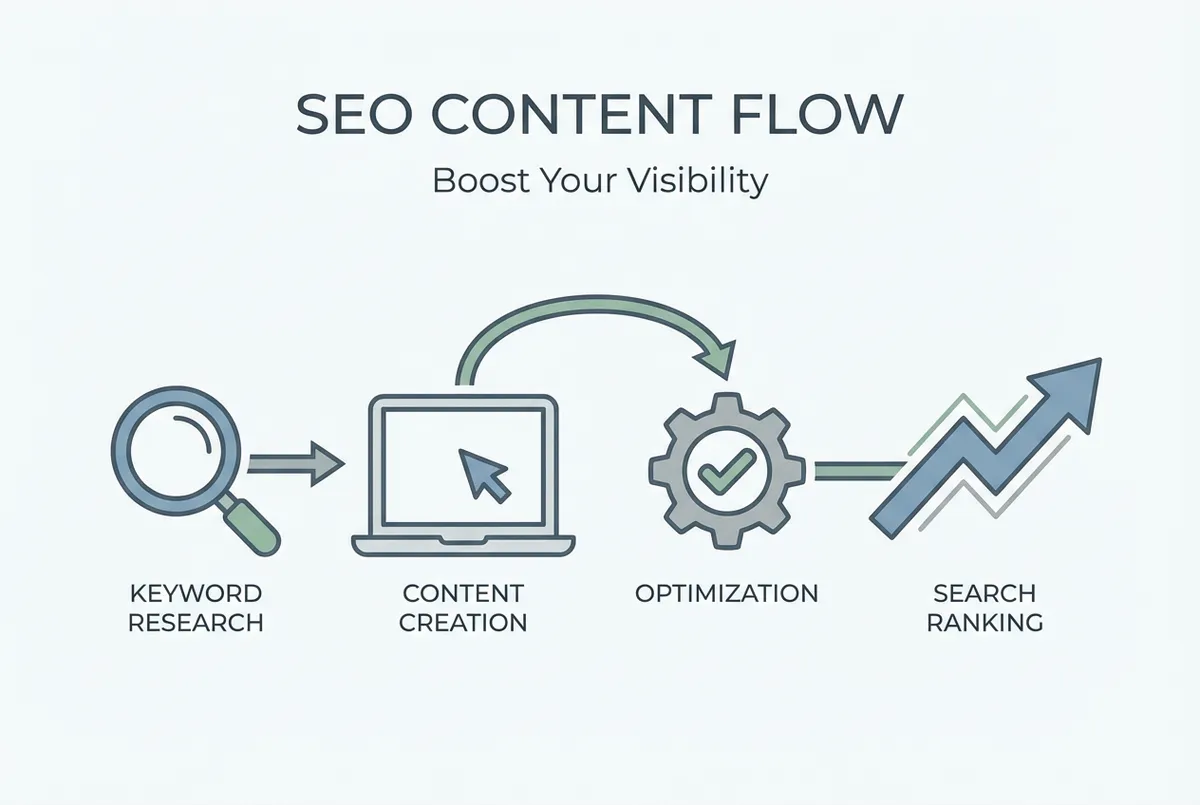
The 70/20/10 rule helps balance proven channels with experimentation
Adapting the Rule to Your Situation
The 70/20/10 split isn't universal. Different business stages require adjusted ratios:
- New venues: 60/25/15 (higher experimentation to find what works)
- Established businesses: 70/20/10 (standard allocation)
- Digital-first brands: 50/30/20 (increased testing capacity)
- Local service businesses: 80/15/5 (lower experimentation, focus on what's proven)
For a gastropub just getting started with digital marketing, this might mean spending 70% of your time on Google Business Profile optimisation and responding to reviews, 20% testing Instagram Reels, and 10% exploring whether TikTok makes sense for your audience.
Consistency Beats Bursts
If you're only posting sporadically you'll always lose to competitors who treat social media as part of daily operations. Consistency beats occasional bursts of activity.
So you've got a framework for allocating your time. But what happens when you start considering outside help?
How Much Should I Pay a Digital Marketing Agency?
When it comes to professional help, here's what you need to know. Digital marketing agency costs for hospitality businesses typically range from $2,500 to $12,000 monthly (approximately £2,000-9,500). Industry benchmarks suggest allocating around 7% of total revenue for marketing.
Agencies charge through different pricing models. Hourly rates range from $75-$300/hour depending on agency size. Monthly retainers typically fall between $2,500-$12,000 for comprehensive services. Project-based work varies widely based on scope.
Service-Specific Costs
Here's what individual services typically cost:
Note: Costs vary significantly by agency size, location, and scope of work.
| Service | Monthly Cost Range |
|---|---|
| SEO | $1,500-$10,000 |
| PPC Advertising | $2,500-$50,000 |
| Social Media Marketing | $1,000-$20,000 |
| Email Marketing | $500-$5,000 |
If you pick just one service to outsource, consider SEO or PPC advertising. These require technical expertise that's harder to develop in-house, whilst social media and email marketing can often be managed effectively by your team.
For example, a boutique hotel might hire an agency for quarterly SEO audits and Google Ads management whilst handling Instagram and guest emails themselves.
The honest truth? Many hospitality businesses can handle their own hospitality digital marketing with the right systems in place. Agencies make sense when you need specialised expertise or when your time genuinely costs more elsewhere.
Budget decisions are important, but they only matter if your underlying guest experience is worth marketing. That brings us to the foundational principles of hospitality excellence.
What Are the 5 C's of Hospitality?
Moving on to the foundations of guest experience, let's explore the 5 C's. These are Commitment, Communication, Confidence, Consistency, and Care. These five principles guide service excellence and create memorable guest experiences that naturally generate positive online reviews and word-of-mouth marketing.
Understanding these principles isn't just about service. It's about creating experiences worth sharing online.
Breaking Down Each C
Commitment means dedication to guest satisfaction that goes beyond job requirements. For a boutique hotel, this might look like a front desk manager personally following up on a maintenance issue rather than waiting for the guest to complain again.
Communication covers verbal, non-verbal, and digital interactions. Your Instagram captions, email responses, and in-person greetings should all convey the same knowledge and warmth.
Confidence comes from staff competence. When team members can make decisions without constantly checking with managers, guests notice. That server confidently recommending the special builds trust faster than one who has to "check with the kitchen."
Consistency means delivering the same standard regardless of day, shift, or staff member. Your Saturday rush service quality should match your quiet Tuesday evening.
Care is genuine concern for guest wellbeing. This creates emotional connections rather than transactional relationships. It's the difference between "Here's your bill" and "How was everything tonight?"
These principles work synergistically. Commitment without communication leads to failed intentions, whilst consistency without care feels mechanical.
Ask yourself: would I follow my own venue's social media account? If the answer is no, the 5 C's offer a framework for creating content worth following.
Now that you understand the principles behind great hospitality, let's look at the practical channels for putting them into action.
What Are the 4 Types of Digital Marketing?
Now that you understand the principles, here's how to put them into action. The four core types of digital marketing most relevant to hospitality businesses are content marketing, search engine optimisation (SEO), social media marketing, and email marketing. Each serves different purposes in attracting and retaining guests.
If you pick just one to start with, focus on Google Business Profile (part of SEO). It's free, directly impacts local search visibility, and requires minimal time to maintain.
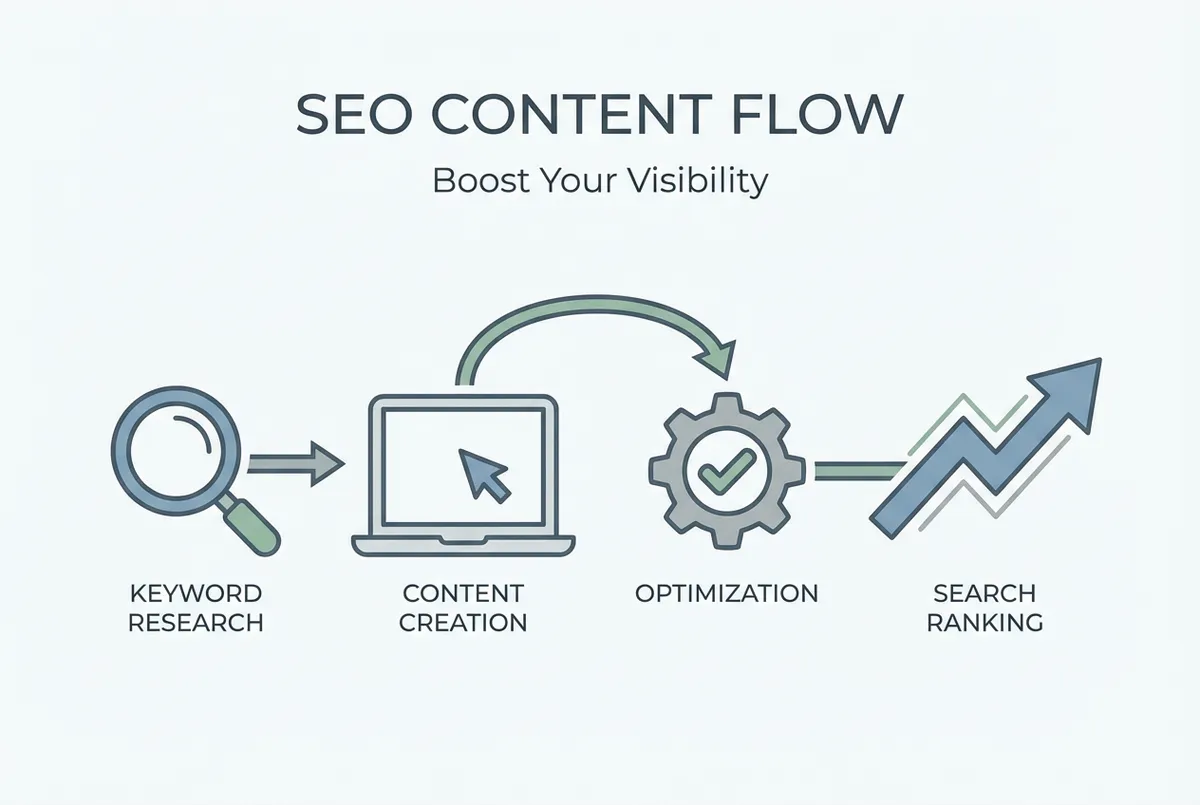
Four core digital marketing channels for hospitality businesses
Content Marketing
Content marketing involves creating valuable information that attracts potential guests. For hospitality, this typically includes:
- Blog posts about local attractions and events
- Behind-the-scenes kitchen content
- Destination guides and travel tips
- Recipe features and chef interviews
A gastropub might create a post about the local food scene that naturally includes their own offering whilst providing genuine value to readers searching for recommendations.
Moving on to another essential channel, let's look at how search visibility works.
Search Engine Optimisation (SEO)
SEO improves your visibility when potential guests search online. For local hospitality businesses, this primarily means:
- Optimising your Google Business Profile
- Collecting and responding to reviews
- Ensuring your website includes location-specific keywords
- Building citations across local directories
Social Media Marketing
With 61% of travellers booking hotels after seeing them on Instagram, social platforms are booking channels, not just awareness tools. Mobile optimisation is increasingly critical for converting these potential guests.
In addition to social media, email typically delivers strong results for hospitality businesses.
Email Marketing
Email delivers segmented, personalised campaigns to nurture leads and drive repeat visits. In hospitality, this includes:
- Post-visit thank you messages
- Special occasion reminders (birthdays, anniversaries)
- Seasonal promotions and events
- Loyalty programme communications
If You Only Have 30 Minutes a Week
Day 1-2: Respond to all new Google reviews and update your business hours if needed
Day 3-4: Post one Instagram photo with a genuine caption about what's happening at your venue
Day 5-7: Send a brief email to your list about an upcoming special or event
Info
Related: Email Marketing for Restaurants
With all four channels covered, here's how to tie everything together.
Key Takeaways: Hospitality Digital Marketing
If you run a restaurant and want to see how Local Brand Hub can support your marketing, explore our restaurant marketing tools.
What Matters Most
Hospitality digital marketing doesn't require massive budgets or dedicated teams. It requires consistency, authenticity, and strategic focus on what actually drives bookings for your type of venue.
Here's what matters most:
- Social media is now a booking channel. 61% of travellers book hotels after seeing them on Instagram.
- The 70/20/10 rule provides useful structure. Focus 70% of effort on proven channels, test emerging opportunities with 20%, and experiment with 10%.
- Agency costs vary significantly. Typically $2,500-$12,000 monthly, but many independent venues can manage effectively in-house.
- The 5 C's create shareable experiences. Commitment, Communication, Confidence, Consistency, and Care generate the positive reviews that fuel digital marketing.
Social media marketing isn't about selling rooms or tables. It's about making people hungry to visit before they're even hungry.
If you're reading this thinking "I don't have time for this," start smaller than you think you need to. One consistent post per week beats sporadic bursts of activity followed by months of silence.
Finally, here are your practical next steps for this week.
Weekly Action
This week, audit your digital presence:
- Check your Google Business Profile for accuracy
- Respond to any unanswered reviews
- Add one new photo to your profile
- Review your last 10 social media posts for consistency
- Schedule three posts for the coming week
If you haven't posted in over two weeks, use photos you already have on your phone to get started quickly.
Now let's address some common questions about hospitality digital marketing.
Frequently Asked Questions
What is the best social media platform for hospitality marketing?
The platform-first approach is a framework that prioritises mastering one channel before expanding to others. If you pick just one platform, Instagram typically offers the strongest combination of visual appeal and local discovery features for UK hospitality businesses. However, Facebook remains important for community engagement and event promotion, particularly for pubs and restaurants targeting local regulars. The best platform depends on where your specific audience spends their time.
How often should a restaurant post on social media?
Aim for 3-5 posts per week on your primary platform. Consistency matters more than frequency. Three reliable posts per week outperforms seven posts one week followed by two weeks of silence.
Do small hotels need a digital marketing agency?
Not necessarily. Many small hotels can effectively manage their own digital marketing using tools like Google Business Profile, basic social media scheduling, and email marketing platforms. Consider agency support for specific projects like website redesign or PPC campaigns rather than ongoing retainers.
What's the most cost-effective digital marketing for restaurants?
Google Business Profile optimisation delivers the highest return for lowest investment. It's free, directly influences local search visibility, and builds credibility through reviews. Combine this with consistent Instagram posting for a solid foundation.
How do I measure hospitality digital marketing ROI?
Track reservations and bookings by source using your booking system's referral data. Monitor Google Business Profile insights for views and actions. Use unique discount codes in email campaigns to attribute bookings directly. Focus on trends over time rather than daily fluctuations.
About the Author
Local Brand Hub
Empowering UK Businesses
Local Brand Hub provides comprehensive business management tools designed specifically for UK local businesses to streamline operations, automate marketing, and grow revenue.
More articlesRelated Articles
 Marketing Tips
Medical Aesthetics Marketing: UK Compliance Guide
Medical aesthetics marketing for UK doctor and nurse-led clinics. GMC/NMC rules, before-and-after photo limits, CQC signals and patient trust strategies.
 Marketing Tips
Aesthetics Marketing Agency: A UK Clinic Buyer's Guide
How to find the right aesthetics marketing agency for your UK clinic — what to look for, red flags, costs, and when DIY is smarter.
 Marketing Tips
Aesthetics Marketing: DIY Playbook for UK Clinics
Practical aesthetics marketing strategies you can run yourself. Social media, before-and-after content, local SEO, email, and referrals for UK clinics.