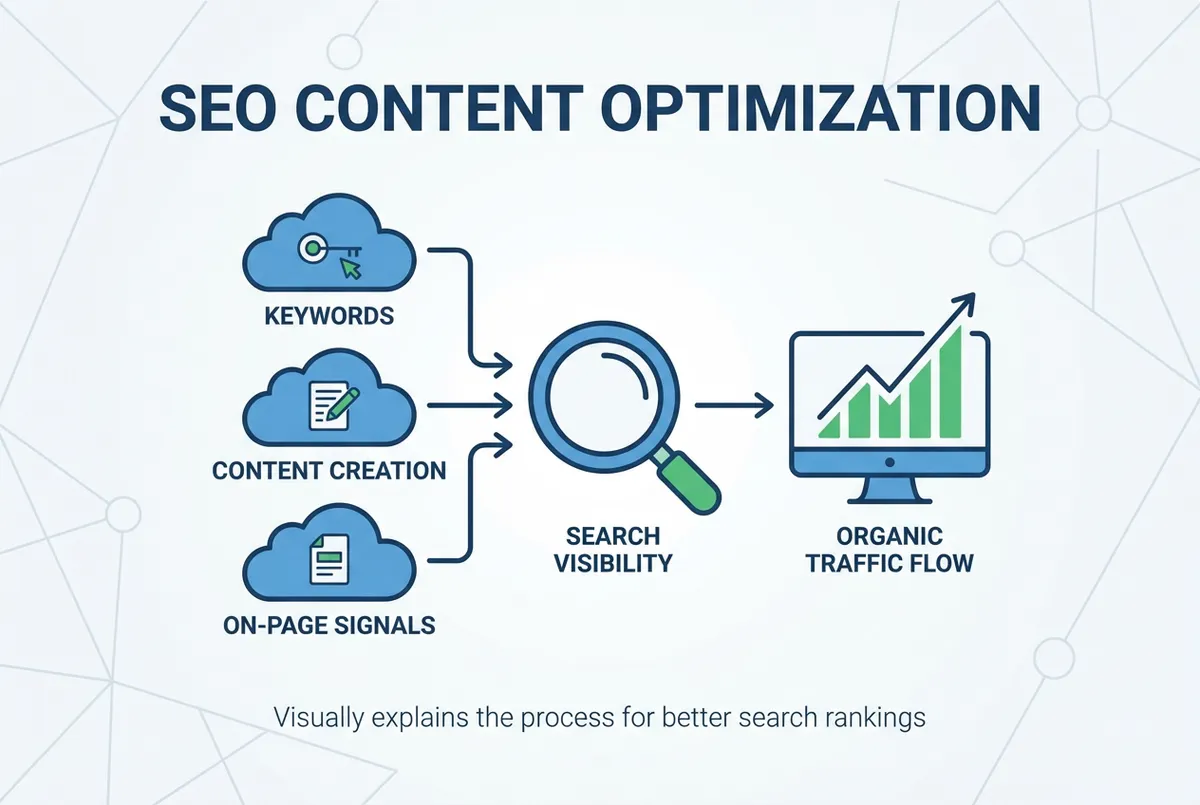
UK restaurant photography pricing typically ranges from £150-£800 per session. Learn day rates, hourly pricing, the 20-60-20 rule, and regional variations.
You've spent thousands on camera gear and practised plating shots for months. A local restaurant asks what you charge, and you freeze. Quote too high and they walk away. Quote too low and you're working for less than minimum wage once you factor in travel, shooting, and editing.
UK restaurant photography pricing typically ranges from £150-£800 per session depending on shoot scope, photographer experience, and what's included. Half-day shoots cost £250-£500 whilst full-day rates sit between £600-£1,200.
This is the UK restaurant photography pricing dilemma. Product photography has clear day rates. Wedding photography has established packages. Food photography sits in an awkward middle ground where "it depends" doesn't help anyone.
What You'll Learn About Restaurant Photography Pricing
This guide breaks down UK restaurant photography pricing based on real market data. You'll learn:
- Current UK day rates and half-day pricing models
- How package pricing works for restaurants vs one-off shoots
- The 20-60-20 rule photographers use to structure pricing
- What to charge for 2-hour menu photography sessions
- Regional pricing variations across the UK
- How to quote for usage rights and licensing
Whether you're a photographer setting rates for the first time or a restaurant owner budgeting for professional photography, you'll finish this article with actual numbers, not vague ranges.
How much does food photography cost?
Let's start with the basics. Food photography in the UK typically costs between £150-£800 per session. The pricing structure breaks down into three main models:
Hourly rates work for small restaurants needing menu shots. Most photographers charge with a minimum booking. This covers shooting time only: editing typically adds another third to the total.
Package pricing suits chain restaurants or venues needing consistent photography across multiple locations. A typical package includes basic editing and web-resolution files.
Day rates often offer good value for comprehensive menu photography. Restaurants typically get a full shooting day, multiple edited images, and usage rights. This usually works out cheaper per image than hourly billing.
What Affects the Price?
Three factors matter most:
- Styling requirements: Providing props and styling typically adds to base rates
- Usage rights: Social media-only usage costs less than full commercial licensing
- Turnaround time: Standard delivery is usually a week; rush edits cost extra
So what does this look like in practice? The typical UK food photographer charges around £350 for a half-day shoot. That's often cheaper than stock photography subscriptions whilst giving you custom content that actually represents your menu.
A gastropub using this pricing model might budget around £1,300 annually, covering twice-yearly menu refreshes and quarterly seasonal specials.
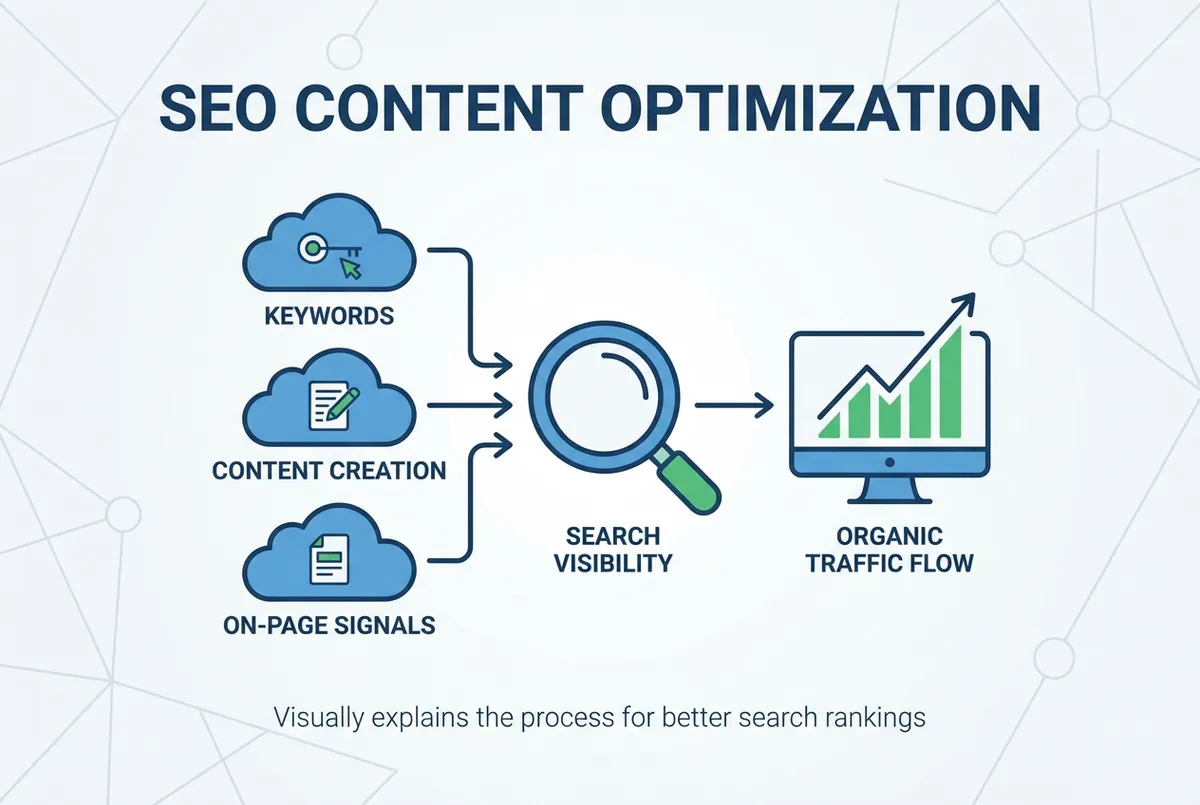
Food photography pricing breakdown
What is the 20 60 20 rule in photography?
Now that you understand market rates, let's look at why photography costs what it does. The 20-60-20 rule is a pricing framework that explains where your fee actually goes: roughly a fifth on shooting, three-fifths on post-production, and a fifth on business overhead.
This matters for restaurant photography because clients often underestimate editing time.
Here's how it works in practice:
- Shooting (the smallest portion): Time on location capturing images
- Post-production (the bulk): Editing, colour correction, retouching, file preparation
- Business costs: Equipment depreciation, insurance, marketing
That means several hours of editing per hour of shooting. You're not just cropping images. You adjust white balance. Remove distracting elements. Ensure brand consistency.
Why does post-production take so much time? Restaurant photography demands more editing than portraits or events:
- Colour accuracy matters (that salmon should look pink, not orange)
- Background cleanup is essential (no punters visible, no kitchen chaos)
- Composition refinement happens in post (straightening angles, removing props)
- File preparation varies (web, print menus, and billboards all need different specs)
Avoid This Mistake
If you're thinking "I'll just deliver RAW files and skip editing", restaurants rarely accept this. They want finished, usable images. Unedited files lose to publication-ready work every time.
Industry Resources
The Association of Photographers provides UK pricing guidelines and contract templates for professional food photography.
A typical shoot generates hundreds of raw images. You spend hours selecting the best angles and adjusting lighting. This editing-to-shooting ratio explains why post-production consumes most of the budget.
The business overhead portion covers costs clients forget. Camera equipment depreciates. Insurance, website hosting, and marketing all eat into that headline rate.
How much should I charge for 2 hours of photography?
But what if you don't need a full day? For a 2-hour restaurant photography session in the UK, charge between £150-£300 depending on your experience level and what's included.
This typically includes shooting time, edited images, basic colour correction, and standard usage rights. Extensive retouching, props, rush delivery, or unlimited rights cost extra.
Here's why 2 hours works for specific scenarios:
Seasonal menu updates: A restaurant adding a few new dishes doesn't need a full-day shoot. Two hours covers photographing the new items in the existing style.
Social media content batching: Two hours produces enough variety for weeks of Instagram posts. Shoot multiple dishes from multiple angles for plenty of content rotation.
Limited-time promotions: Valentine's Day tasting menu? Mother's Day afternoon tea? A 2-hour shoot captures everything without the overhead of a full-day rate.
Here's how to price yourself competitively:
Entry-level: Building a portfolio makes you competitive for independent restaurants with tight budgets.
Mid-level: With solid experience and an understanding of restaurant lighting challenges, this is often the sweet spot for most markets.
Established: Having shot for recognisable brands and working efficiently justifies premium pricing.
Don't charge less than £150 for 2 hours. Once you factor in travel, setup, shooting, editing, and business costs, anything lower often works out below minimum wage.
For example, a photographer targeting modest annual income with typical billable hours needs to price accordingly. Standard two-hour session pricing becomes entirely reasonable.
Quick Pricing Guide
Calculate your desired yearly income. Divide by billable hours (accounting for admin and marketing). Reverse-engineer your hourly rate. Then ask yourself: would you accept your own quote if roles were reversed?
How much should I charge for photography in the UK?
So we've covered hourly rates and the pricing framework. What about broader UK market positioning? Restaurant and food photographers typically charge for half-day or full-day sessions, with experienced professionals in London commanding higher rates than regional photographers.
The UK market breaks down into clear tiers:
Entry-level: You're building a portfolio and learning restaurant workflows.
Mid-tier: You understand lighting challenges in working kitchens, work quickly, and have developed a recognisable style. Most professional food photographers operate here.
Premium tier: You've shot for major brands, your portfolio includes recognisable restaurants or publications, and you bring creative direction, not just camera operation.
Regional variations matter significantly:
- London: Higher operating costs push rates up
- Major cities: Manchester, Birmingham, Edinburgh follow base rates
- Regional areas: Lower pricing due to different market dynamics
Beyond standard day rates, consider these alternative pricing models:
Retainer pricing: Monthly retainers work well for restaurant groups needing ongoing content. They get priority booking. You get predictable income.
Licensing add-ons: Base pricing covers web and social media usage. Print menus, billboards, or unlimited commercial rights cost extra.
Usage duration: One year of usage rights is standard. Multi-year or perpetual rights cost more.
Here's a practical example: A London gastropub hiring a mid-tier photographer for quarterly menu updates gets custom content that stock photography can't match at reasonable pricing per final image.
The Biggest Pricing Mistake
Charging per image instead of per session. When you quote "£15 per image," clients request 50 images, then use only 10. You've devalued your work and created editing inefficiency.
For Restaurant Owners
Don't just compare day rates. Ask what's included. If a photographer can't clearly explain what's in their package, that's usually a sign they're pricing inconsistently. A £400 quote with 10 images and basic editing costs more per usable image than a £600 quote with 25 images and full retouching.
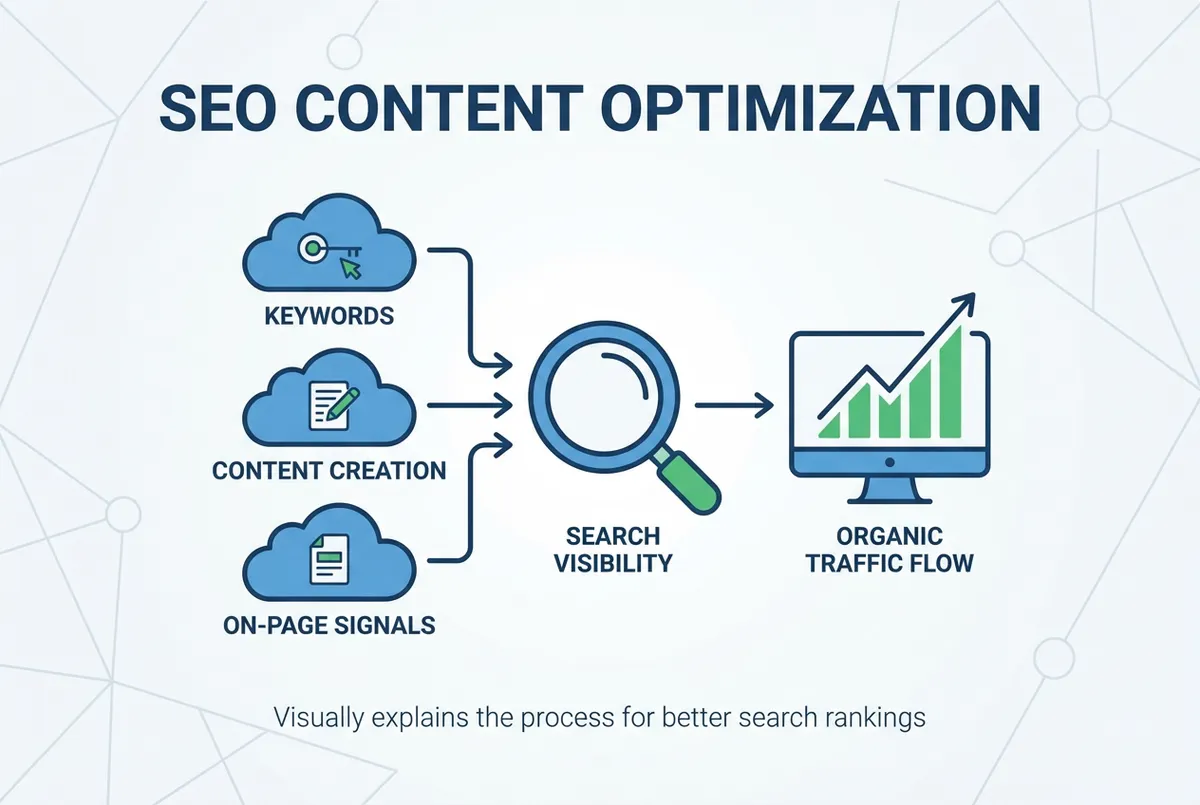
UK photography pricing by region
Restaurant Photography Pricing Near Me
Now let's get practical about finding photographers in your area. Local restaurant photography pricing depends on your UK region. You can expect quotes within typical ranges once you account for cost-of-living differences and market competition.
Here's how to research local pricing effectively:
Google "food photographer [your city]" and check the first 5-10 results. Most photographers list starting prices on their websites. If they don't, that's often a red flag: pricing transparency builds trust.
Check Instagram hashtags like #LondonFoodPhotographer or #ManchesterRestaurantPhotography. Photographers who regularly post client work typically include pricing information in their bio link.
Ask in local hospitality Facebook groups. Search for "[Your City] Restaurant Owners" groups and post: "What do you budget for menu photography?" You'll get actual numbers from venue owners who've hired locally.
Regional pricing benchmarks (mid-tier photographers, standard usage rights):
| Region | Half-Day | Full-Day |
|---|---|---|
| London | £450-£700 | £900-£1,400 |
| Rest of UK | £300-£550 | £600-£1,100 |
Sweet Spot Pricing
Most UK restaurants outside London find the sweet spot at around £400 for a half-day shoot from a mid-tier professional. This typically delivers quality results without premium London pricing. Ask yourself: does this pricing feel sustainable for the photographer whilst staying within your marketing budget?
What Affects Local Pricing Beyond Region?
Competition density matters: more photographers typically means more competitive pricing. Cities with high-end hospitality clusters often support premium rates. And pricing often flexes around peak restaurant seasons like Christmas and summer.
Negotiation tactics that work:
- Book off-peak: Midweek shoots sometimes cost less than weekend rates
- Multi-session discounts: Committing to quarterly photography often earns an annual discount
- Refer other venues: Some photographers offer referral credits
Red flags when evaluating local photographers:
- No published pricing anywhere (signals inconsistent pricing)
- Quotes that seem 50%+ below market average
- Portfolios showing only 5-10 images (limited experience)
- No usage rights clarity (ambiguous licensing creates problems later)
For instance, a Birmingham bistro owner might see quotes ranging widely for a half-day shoot. The cheapest quote came with vague deliverables and no usage rights clarity. The most expensive included full commercial licensing but felt excessive for social media use. The sweet spot offered clear deliverables and standard usage rights matching the regional mid-tier average.
The reality for most UK restaurants? Budget around £1,000 annually for comprehensive menu photography from a local mid-tier professional. After a 12-hour shift, scrolling through bad menu photos isn't what any owner wants to do: invest once, and your images work for you all year. Before committing that budget, it's worth doing the maths: you can work out the return on the spend and see how few extra covers it takes to break even.
Info
Quick Pricing Checklist
So you've got the pricing context. Now before you commit to hiring a photographer or sending a quote, work through this checklist:
- Determine shoot scope (how many dishes, how many hours needed)
- Clarify usage rights requirements (social media only vs full commercial)
- Check if styling/props are included or additional cost
- Confirm turnaround time (standard delivery vs rush)
- Ask how many edited images are included
- Verify what "editing" includes (basic colour correction vs full retouching)
- Get clarification on what happens if you need additional images later
Frequently Asked Questions
Still have questions? Here are the most common ones about restaurant photography pricing:
Is restaurant photography worth the cost?
Professional restaurant photography typically pays for itself quickly. Better menu images drive customers toward higher-margin dishes and improve social media engagement. If improved photos influence just a handful of extra customers per week toward premium menu items, a £600 photography investment recovers its cost within weeks.
Can I use stock photography instead?
Stock photography saves money upfront but rarely represents your actual dishes, plating style, or restaurant atmosphere. Customers notice when menu images don't match what arrives at their table. Custom photography builds trust and sets accurate expectations.
How often should restaurants update photography?
Most restaurants refresh menu photography twice yearly when updating seasonal offerings. High-volume restaurants or those with frequently changing menus may shoot quarterly. Annual photography typically isn't frequent enough to keep content feeling current.
What's included in typical restaurant photography packages?
Standard packages typically include shooting time, basic editing, colour correction, and web-resolution files with usage rights for social media and menus. Additional costs apply for extensive retouching, rush delivery, props and styling, or expanded commercial licensing.
Do I own the photos after paying?
This depends on your agreement. Most photographers grant usage rights (you can use the photos for specific purposes like menus and social media) but retain copyright ownership. The UK Government's guidance on copyright explains this distinction clearly. If you need to own the copyright outright, discuss this upfront: it typically costs more.
Key Takeaways: Restaurant Photography Pricing
If you run a restaurant and want to see how Local Brand Hub can support your marketing, explore our restaurant marketing tools.
Key Takeaways: Restaurant Photography Pricing
We've covered a lot of ground. Here's what matters most:
Choose the right pricing model: Half-day sessions suit menu updates, full-day rates offer better per-image value for comprehensive shoots, and package pricing works for multi-location groups.
Understand where fees go: The 20-60-20 rule explains why photography costs what it does: most of your fee pays for editing expertise and business overhead, not just shooting time.
Compare total value, not just rates: A cheaper quote with fewer images may cost more per usable photo. Ask what's included before comparing.
Research local pricing: Use Google, Instagram hashtags, and local hospitality Facebook groups to understand what other venue owners pay in your area.
Budget appropriately: Around £1,000 annually covers professional restaurant photography for most UK venues.
The bottom line? Professional restaurant photography isn't expensive when you calculate cost per customer influenced. If better menu images drive even a few extra customers per week toward higher-margin dishes, your investment pays for itself quickly.
Weekly Action: Restaurant Photography Pricing
This week, price out professional photography for your restaurant:
- Day 1-2: Search Google and Instagram for 5 local food photographers. Note their pricing and portfolio quality.
- Day 3-4: Request quotes from 3 photographers, specifying exactly what you need (number of dishes, usage rights, delivery timeline).
- Day 5: Compare quotes based on total value (images included, editing quality, turnaround time), not just price.
- Day 6-7: Book your first session, or if you're already working with a photographer, evaluate whether current pricing reflects market rates.
If you're a photographer, flip this exercise: Research 5 competitors in your region, compare your pricing to theirs, and adjust if you're 30%+ below or above market without strategic justification.
For UK restaurants
Need help developing a visual content strategy?
LocalBrandHub specialises in restaurant marketing that connects offline experience with online discovery. We'll show you how to turn one photography session into 3 months of effective social content.
Get in TouchGet More Marketing Tips
Practical marketing tips for UK business owners, straight to your inbox. No spam, unsubscribe anytime.
About the Author
Local Brand Hub
Empowering UK Businesses
Local Brand Hub provides comprehensive business management tools designed specifically for UK local businesses to streamline operations, automate marketing, and grow revenue.
More articlesRelated Articles
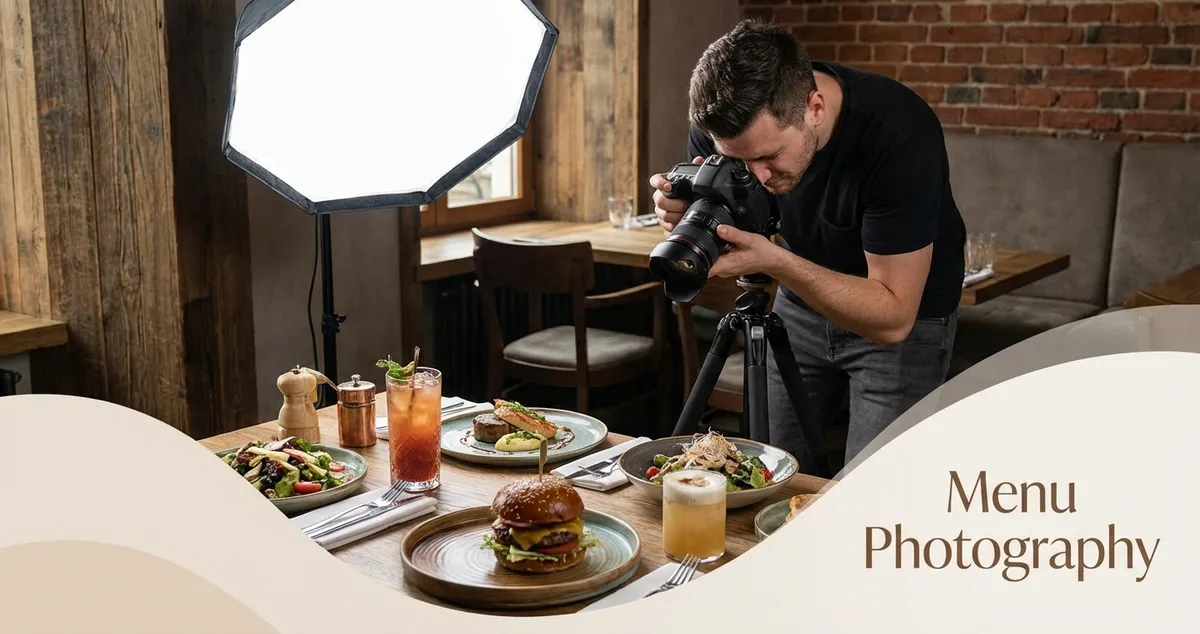 Marketing Tips
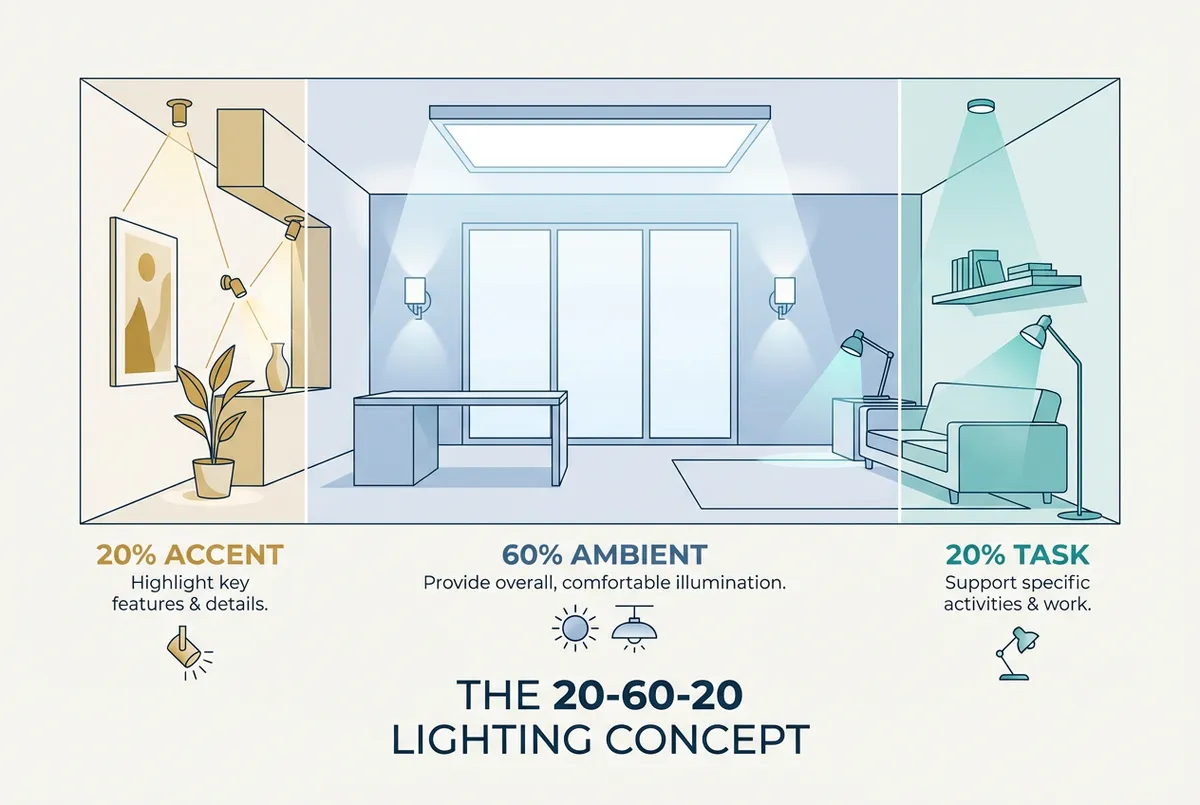
Restaurant Menu Photography: Techniques
Master restaurant menu photography with the 20-60-20 lighting rule and 3:1 ratio. Learn equipment, angles, and styling for UK restaurants.
 Marketing Tips
Restaurant Photography: Complete UK Guide (£150-£2,000)
Restaurant photography guide: market rates (£150-£2,000), lighting rules, shot list, when to hire pro vs DIY for UK venues.
 Marketing Tips
DIY Restaurant Photography: Complete Guide for UK Venues
Shoot professional-looking food photos with your smartphone. Step-by-step lighting, styling, and editing tips for UK restaurants.