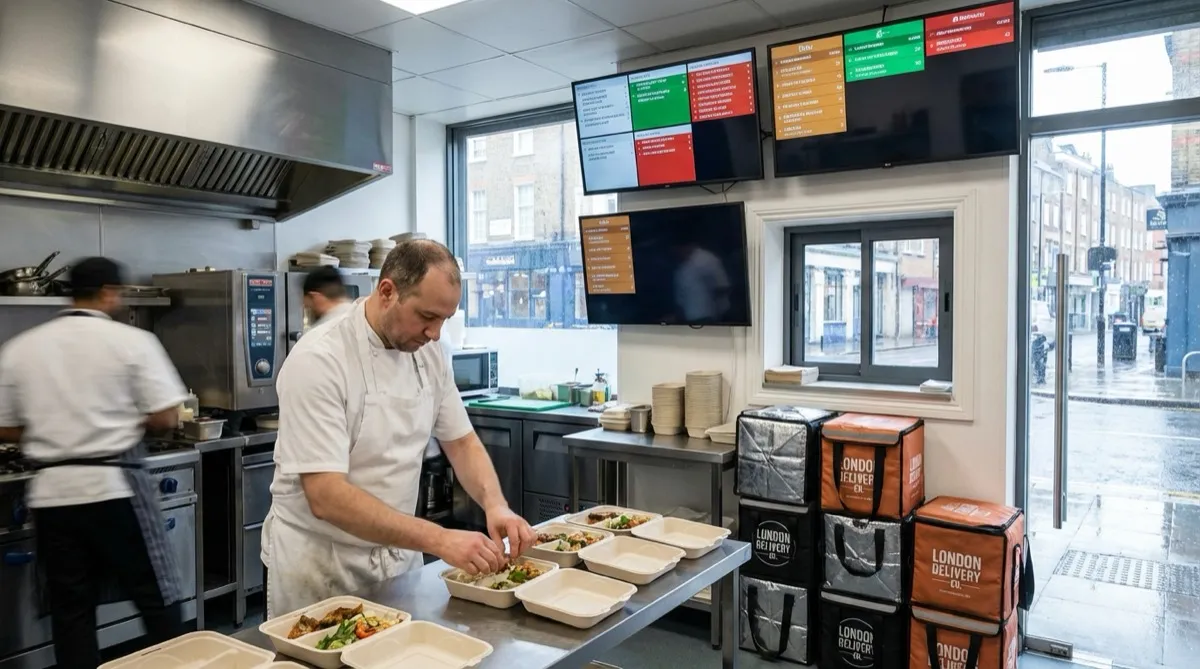
Discover what a ghost kitchen is, compare four types, weigh costs against traditional restaurants and decide if this model fits your UK business.
You've been watching delivery orders climb for months. Every platform pitch promises a fortune if you just "go delivery-only." But nobody explains what a ghost kitchen actually is, how the business model works in the UK, or whether it makes sense for someone already running a restaurant on tight margins.
Info
Related: Ghost kitchen marketing strategies, our hub guide to building a delivery-only brand
This guide covers the definition, the four main types, real costs versus traditional restaurants, and who this model genuinely works for. No hype, just the business case.
What You'll Learn
- What a delivery-only kitchen is and why the definition matters for your planning
- The four main types and which suits different business situations
- How startup and running costs compare to a traditional restaurant
- Who this model works best for, and who should think twice
- How this model differs from dark kitchens and cloud kitchens
What Is a Ghost Kitchen?
First, let's clarify the basics. The model strips away everything except cooking and delivery. No dining room. No shopfront. No walk-in service. Orders arrive through delivery platforms or direct online channels. Meals are prepared, packaged, and sent out with a courier.
The meaning is straightforward: a commercial kitchen built to cook food for delivery. Nothing else.
Info
You might also hear "dark kitchen" or "cloud kitchen." They describe the same core concept with subtle differences we cover below.
For example, imagine a unit on an industrial estate in Salford. No signage, no tables, no till. Inside, two chefs prepare orders that appear on screens from Deliveroo and Uber Eats. Food goes out in branded bags. The "restaurant" exists only on your phone.
The UK has an estimated 5,500+ dark kitchen operations, ranging from single-unit independents to large facilities housing dozens of brands. Globally, the market is projected to reach $157 billion by 2030 at roughly 12% annual growth.
If you're thinking "that's just a takeaway without a counter", you're close, but not quite. A traditional takeaway has some form of customer-facing space and walk-in trade. This model has none.
Key Distinction
Delivery-only kitchens don't compete for footfall. They compete for screen space on delivery apps. That single difference changes everything about how you build, market, and run the business.
The Four Main Types
With that foundation, let's look at how they operate. Not every delivery-only kitchen works the same way. The model you choose shapes your costs, your control, and your growth potential. Here are the four types operating in the UK right now.
Dedicated Kitchen
You lease or own a single space and operate one brand. One menu, one team, one location. You control the full chain from suppliers to packaging.
For example, a curry house in Birmingham might launch a separate delivery-only kebab brand from a dedicated unit. The two operations stay completely separate. The main restaurant keeps its reputation; the new brand tests a market without risk.
Typical cost: £1,500 to £3,500 per month rent, depending on location.
Shared (Multi-Tenant) Kitchen
Multiple food businesses share a single facility. Each operator gets their own station or pod within a larger complex. Karma Kitchen and CloudKitchens run these in London, Manchester, and Birmingham.
For example, a street food trader scaling up from markets might rent a pod in a shared facility. They get commercial-grade equipment and delivery logistics. No capital outlay for fitting out their own space.
Typical cost: Similar range to dedicated kitchens, often including equipment access and shared services.
Multi-Brand (Virtual Brand) Kitchen
One operator runs multiple delivery brands from a single space. Burgers under one brand name, fried chicken under another, wraps under a third. Same space, same team, same core ingredients.
For instance, a single space in Leeds could run "Leeds Burger Co," "Crispy Chicken Box," and "Wrap Lab" on Deliveroo at the same time. Instead of one listing slot, you hold three. Revenue multiplies without multiplying your rent.
Home-Based Kitchen
You cook from a domestic space, with modifications to meet food safety requirements. This is the lowest-cost entry point, though it comes with regulatory limits.
For example, a baker testing artisan sourdough delivery might start from home before committing to a commercial lease. The Food Standards Agency requires you to register with your local authority at least 28 days before trading. Your home space must meet the same hygiene standards as a commercial one.
Typical cost: Minimal rent, but expect £800 to £1,500 for licenses, insurance, and kitchen modifications.
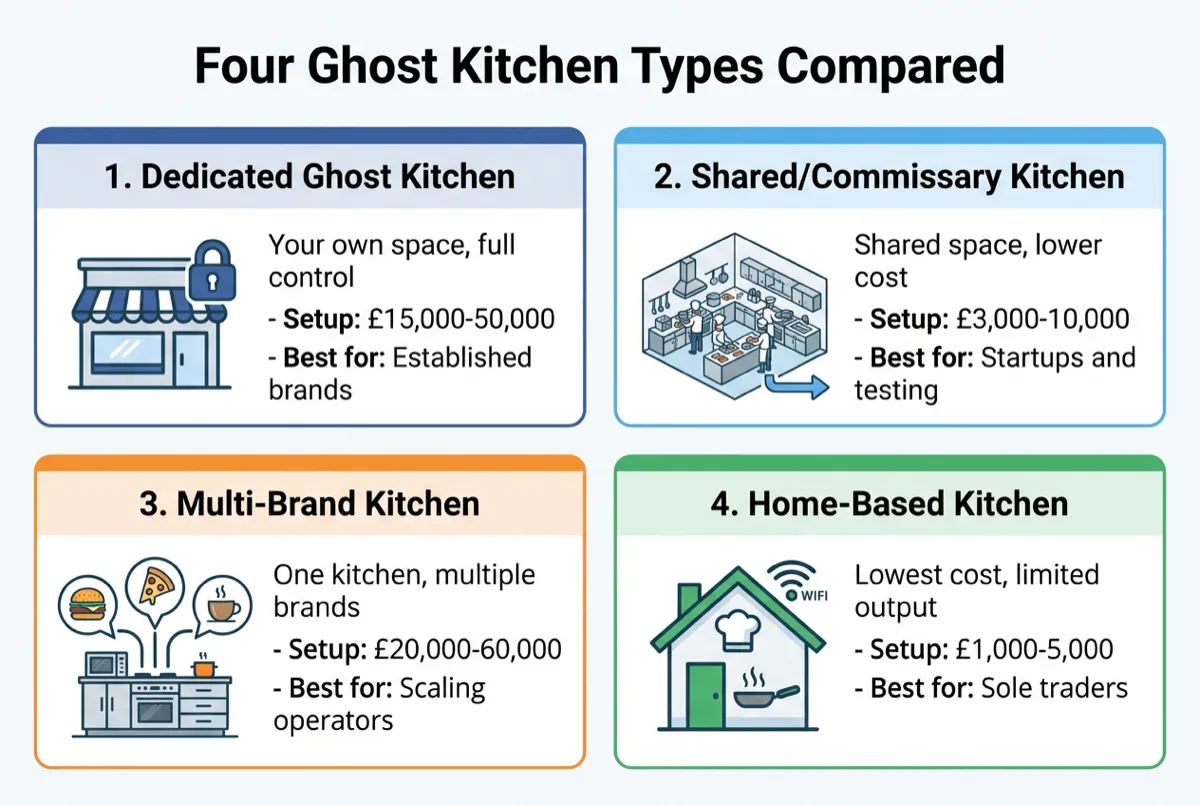
Ghost kitchen types comparison diagram with costs and features
Delivery-Only vs Traditional Restaurant: The Cost Comparison
With those types clear, let's talk money. What does this mean for your bank account?
The delivery-only model can often achieve lower operational costs than traditional restaurants serving the same customer base.
| Cost Category | Traditional | Delivery-Only |
|---|---|---|
| Startup | £100k-£500k+ | £3k-£65k |
| Monthly rent | £3k-£15k+ | £1.5k-£4.5k |
| Staff | 10-30 (FOH + BOH) | 2-8 (BOH only) |
| Break-even | 2-5 years | 3-6 months |
Why This Matters
Rent savings alone are significant. Delivery-only kitchens typically pay a fraction of what a traditional restaurant pays because you don't need prime high-street frontage.
But here's the trade-off few people mention. Delivery platform commission fees run at 25% to 35% per order. That eats directly into the margin you saved on rent. If you're not reaching consistent daily orders within the first few months, profitability becomes a genuine challenge.
If you're reading this thinking "the numbers look great on paper", they can be. But only if your menu travels well and your delivery zone has genuine demand. A beautifully plated tasting menu won't survive a 20-minute courier ride. A well-packaged smash burger will.
What Are the Disadvantages?
The cost savings only tell half the story. Before you sign a lease, you need the full picture. This approach solves some problems and creates others.
Brand visibility is often your biggest challenge. Without a shopfront, no one walks past and thinks "I'll try that place." Your brand lives on delivery app listings, social media, and search results. Building recognition takes deliberate effort and ongoing investment in restaurant marketing, such as a steady stream of social posts that keep your brand front of mind.
You depend on delivery platforms. Platform algorithms decide your visibility. If Deliveroo or Uber Eats changes their ranking system, your order volume can drop overnight. You have limited control over that.
For example, an operator running a Thai food brand from a shared space in Manchester reported that platform updates sometimes take up to two days to show menu changes. During that window, customers see outdated information.
Quality control ends at your door. Once a courier picks up the order, you lose control over the customer experience. Late deliveries, cold food, and crushed packaging all reflect on your brand, even when they are not your fault.
Shared spaces add food safety complexity. In multi-tenant facilities, different businesses operate side by side. Inspectors have found cross-contamination risks in some shared spaces.
Neighbour complaints are a real risk. Noise, smells, and emissions can attract complaints, particularly in residential areas.
If you're only looking at the cost savings without weighing these operational realities you'll always lose to competitors who planned for them from day one. That's usually a sign that the business model needs to be evaluated against your specific circumstances, not adopted because it sounds cheaper.
Who Does This Model Work Best For?
The disadvantages don't mean you should avoid the model. They're a different tool for a different situation, and they work well for specific types of operator.
Info
Related: Restaurant Social Media Marketing, building digital visibility without a physical shopfront
Existing restaurant owners with spare capacity. If your space sits idle between lunch and dinner (that 3pm lull where nothing happens), launching a virtual brand is often the lowest-risk entry point. Use equipment you already own to create a second revenue stream.
For example, a fish and chip shop in Bristol might launch a delivery-only poke bowl brand during the afternoon gap. Same kitchen, different menu, different audience on the apps.
New food entrepreneurs testing a concept. If you have a menu idea but not the capital for a full restaurant build-out, a shared space lets you test demand with minimal financial exposure. Pop-up and incubator spaces provide commercial-grade equipment. You can validate your concept before committing to a long-term lease.
Short-Term Trials
Many shared kitchen operators offer short-term trials. Test for a month before committing to a 12-month lease.
Established brands expanding geographically. McDonald's adopted this approach by opening its first delivery-only dark kitchen in Hanworth, London and later expanding across the UK, after delivery grew to account for over 10% of their UK business. If it works at that scale, the principle applies to smaller operators too.
Multi-brand operators. Running three delivery brands from one kitchen, each targeting a different cuisine or price point, multiplies your platform visibility without multiplying your costs.
Who Should Think Twice
- Dining-experience restaurants. Fine dining and atmosphere-driven concepts don't translate to delivery packaging
- Low-demand delivery zones. Check Deliveroo, Uber Eats, and Just Eat for your area before committing
- Menus that don't travel. Crispy textures that go soggy, delicate plating, or multi-component meals face quality complaints
If you're considering renting a kitchen space, evaluate these factors before signing anything. A solid restaurant business plan is essential whether you go delivery-only or traditional.
Would you order your own food after a 25-minute delivery ride? If the answer makes you hesitate, the menu needs rethinking before the kitchen does.
Ghost Kitchen vs Dark Kitchen vs Cloud Kitchen
You have probably noticed those first two terms have been cropping up almost interchangeably. Here is why, and where the subtle distinctions matter.
| Term | Common Meaning | UK Usage |
|---|---|---|
| Ghost kitchen | Delivery-only kitchen, often operator-owned | Common globally |
| Dark kitchen | Delivery-only kitchen, often platform-run | Preferred in the UK |
| Cloud kitchen | Tech-focused delivery kitchen | Industry/investor contexts |
In practice, these terms describe the same core concept: a space with no customer-facing dining area that produces food solely for delivery. The dark kitchen term is more common in the UK, while "ghost kitchen" dominates in North America.
For instance, Deliveroo launched their Editions sites across the UK (large delivery-only spaces housing multiple restaurant brands under one roof) and these are typically called "dark kitchens."
Info
For a deeper look at UK-specific regulations and platform options, read our cloud kitchen UK guide.
Terminology Tip
The terminology doesn't matter nearly as much as the execution. Whatever label you use, your success depends on menu quality, delivery zone demand, and operational discipline.
Are These Kitchens Legal in the UK?
Yes, they are entirely legal in the United Kingdom. But they must comply with the same food safety regulations as any other food business.
The core legal requirements include:
- Registering with your local authority at least 28 days before trading
- Implementing a HACCP-based Food Safety Management System
- Maintaining hygiene standards under the Food Safety Act 1990
- Linking all trading names to your registered premises
For example, if you run three virtual brands from one kitchen, each brand name must be registered and linked to your premises.
Environmental health officers have flagged that identifying and monitoring dark kitchens is harder because they lack a visible storefront. They may trade under multiple brand names from one address.
We will not cover the full regulatory breakdown here. That is covered in our cloud kitchen UK guide, which walks through licensing, inspections, and compliance step by step.
If you're skipping registration because "it's just delivery," that never works, and it's the fastest route to enforcement action. Ask yourself honestly: would your current kitchen pass an unannounced inspection tomorrow?
If You Only Have 30 Minutes This Week
Finally, let's make this practical. If you're not ready to commit to a full delivery-only plan, here's a structured way to start evaluating whether the model makes sense for your situation:
- Day 1-2: Check delivery demand in your area. Open Deliveroo, Uber Eats, and Just Eat. Search for your cuisine type. Count competitors in your delivery zone.
- Day 3-4: Calculate your current utilisation. How many hours per week is your space sitting idle? If it is more than 20, you may have capacity for a virtual brand without renting new space.
- Day 5-7: Price up shared options. Search for "ghost kitchen for rent near me" and request pricing from at least two providers. Compare monthly costs against your projected order volume.
For example, a fish and chip shop owner in Bristol might discover on Day 1 that there are only two poke bowl brands delivering in their area, a clear gap. By Day 4, they calculate 20 idle hours per week. By Day 7, they have quotes from Dephna and a local shared space, with a clear picture of whether a virtual brand makes financial sense.
Info
Related: How to Start a Ghost Kitchen, our nine-step setup guide from registration to first orders
That's enough to know whether the delivery-only model deserves a proper restaurant business plan, or whether your energy is better spent elsewhere.
Frequently Asked Questions
How much does it cost to start a delivery-only kitchen in the UK?
It varies widely. A minimal home-based setup might cost £3,000. A fully equipped dedicated unit in London can run to £65,000. Most operators in regional cities budget £13,000 to £25,000, covering deposit, equipment, licensing, insurance, and a few months of working capital. For instance, a two-person operation in Leeds might spend £15,000 on a shared unit deposit, basic equipment, and three months of running costs.
Do you need planning permission for one?
It depends on the premises. If you're converting a space that wasn't previously used for food production, you'll likely need planning permission and may need to change the property's use class. If you're renting an existing commercial kitchen or joining a shared facility, planning permission is typically already in place. Always check with your local council before signing a lease.
How do delivery-only kitchens get customers?
Through delivery platform listings (Deliveroo, Uber Eats, Just Eat), direct online ordering, social media marketing, and search engine visibility. You cannot rely on passing foot traffic. Customer acquisition happens digitally, which is why a marketing strategy matters from day one.
Can I run one from home in the UK?
Yes, but your home kitchen must meet the same food safety and hygiene standards as a commercial kitchen. You need to register with your local authority, implement a HACCP plan, and may need to make physical modifications. Check your home insurance policy and lease or mortgage terms, as some explicitly prohibit commercial food production.
What is the difference between this model and a virtual restaurant?
The distinction separates infrastructure from brand. The kitchen is the physical space itself. A virtual restaurant is a brand that exists only on delivery platforms with no physical customer-facing premises. You can run multiple virtual restaurants from a single kitchen.
Weekly Action
This week, evaluate whether the model suits your situation:
- Check delivery demand: open Deliveroo, Uber Eats, and Just Eat in your area and count competitors in your cuisine
- Calculate kitchen utilisation: if your kitchen sits idle more than 20 hours per week, you may have capacity for a virtual brand
- Read our guide to ghost kitchen marketing to understand how delivery-only brands build visibility
If you run a restaurant and want to see how Local Brand Hub can support your marketing, explore our restaurant marketing tools.
Key Takeaway
Key Takeaway
- The model is a delivery-only commercial kitchen with no dining area, shopfront, or walk-in customers
- Four main types exist: dedicated, shared, multi-brand, and home-based, each with different cost and risk profiles
- Startup costs are significantly lower than traditional restaurants, but delivery platform commissions offset some savings
- The UK has an estimated 5,500+ delivery-only kitchen operations and the sector continues to grow
- Legal requirements match traditional restaurants: registration, HACCP, and food safety compliance are mandatory
- The model works best for operators with spare capacity, new concepts needing low-cost validation, or brands expanding geographically
The model is not a shortcut to easy profits. It is a genuinely different way to run a food business, with its own advantages and constraints. A ghost kitchen doesn't remove the hard parts of running a restaurant. It just replaces "how do I fill tables?" with "how do I win on a screen?"
The operators who succeed treat it as a real business. A proper plan, realistic financial projections, and a menu designed specifically for delivery.
If you are exploring the broader landscape, start with our marketing hub for strategies on building visibility without a shopfront. Or dive into the specifics of setting up and running a dark kitchen operationally.
For restaurants, salons, and local businesses
Need help with your marketing?
We help UK businesses turn social media into real results, not busywork.
Start freeGet More Marketing Tips
Practical marketing tips for UK business owners, straight to your inbox. No spam, unsubscribe anytime.
About the Author
Local Brand Hub
Empowering UK Businesses
Local Brand Hub provides comprehensive business management tools designed specifically for UK local businesses to streamline operations, automate marketing, and grow revenue.
More articlesRelated Articles
 Tutorials
How to Start a Ghost Kitchen: UK Guide
Learn how to start a ghost kitchen in the UK with this step-by-step guide covering registration, licensing, costs, equipment, and launch strategy.
 Business Growth
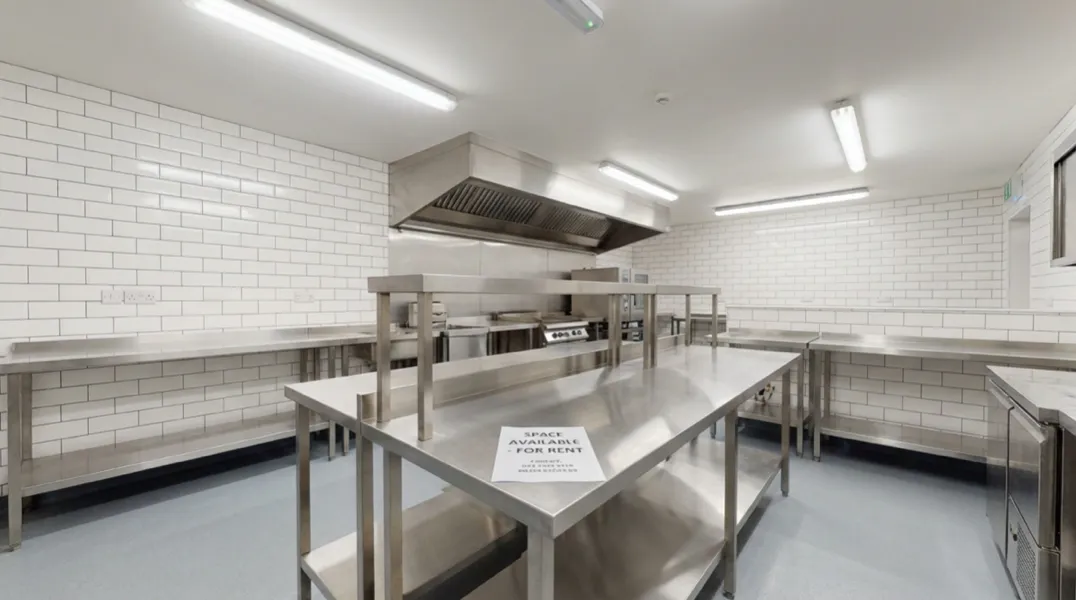
Ghost Kitchen for Rent: UK Costs and Providers
Find the right ghost kitchen for rent in the UK. Compare providers like Karma Kitchen, Deliveroo Editions and Dephna, with costs from £800 to £4,000/month.
 Tutorials
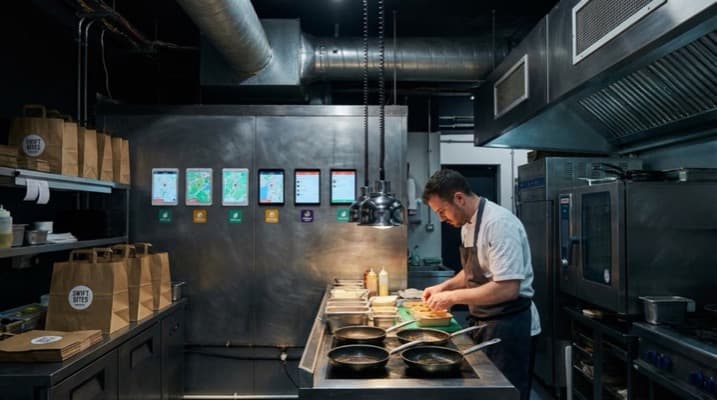
Dark Kitchen: Set Up and Run One in the UK
Learn how to set up and run a dark kitchen in the UK. Covers equipment, delivery platforms, food safety, staffing, and managing virtual brands.