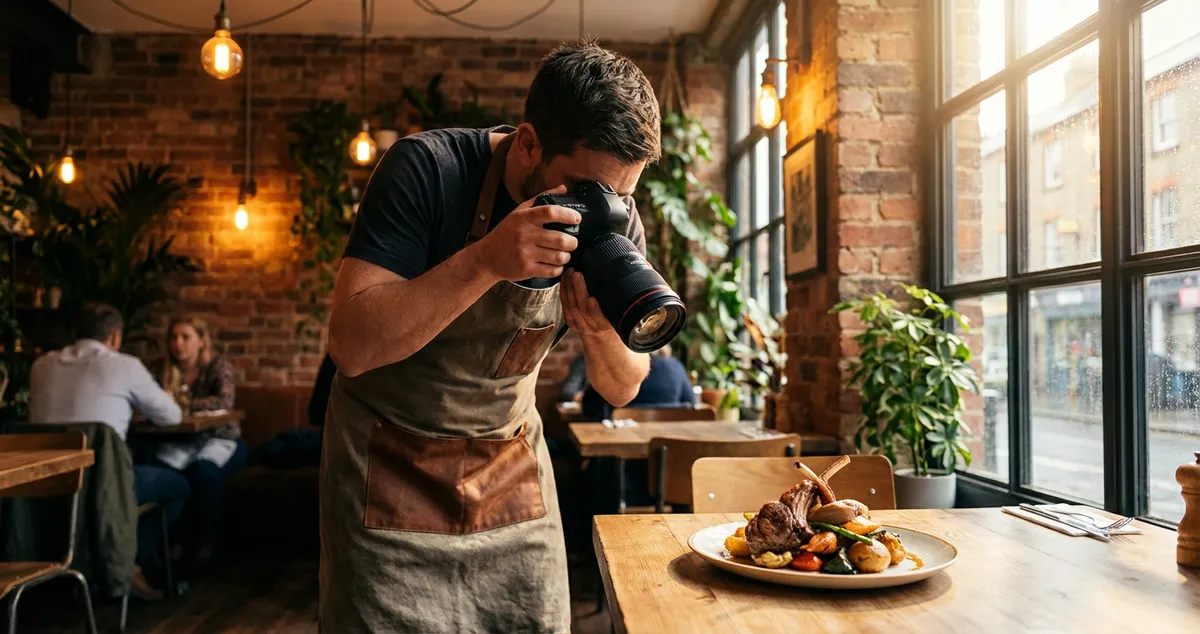
Master restaurant photography with natural lighting, proven angles, and simple composition. Create food photos using just your smartphone.
You've just plated your signature dish perfectly. The garnish looks fresh, the sauce glistens under the light, and it looks absolutely incredible in person. You grab your phone, snap a quick photo, and... it looks flat, grey, and completely unappetising. The colours are off, the lighting's wrong, and it doesn't do your food justice.
Meanwhile, that cafe down the road posts photos that make their avocado toast look like a work of art. They're not hiring professional photographers. They're just using a few simple restaurant photography tips, the same practical techniques covered in this guide, that make all the difference.
What you'll learn
- How to use natural light to make any dish look appetising
- The 3 essential camera angles for restaurant food photography
- Simple styling tricks that don't require professional training
- When smartphone photography is enough (and when it's not)
- A realistic 30-minute weekly photography routine you'll actually stick to
- Common mistakes that make food look unappetising (and how to avoid them)
Restaurant Food Photography Tips: The Foundations That Matter
Restaurant photography tips focus on three core fundamentals that make food look appetising and drive customer interest. First, natural window lighting creates soft, flattering illumination that enhances colours and eliminates harsh shadows. Second, proper composition using 45-degree, overhead, or eye-level angles showcases your dish's best features. Third, consistent styling builds recognisable brand identity.
If you only shoot when it's quiet and post whenever you remember, you'll always lose to competitors who treat photography as part of operations, not an afterthought.
According to research from social media analytics platforms, posts with high-quality food images receive 120% more engagement than text-only posts (Sprout Social, 2025). That's not just a vanity metric. More engagement means more people seeing your food, which means more potential customers through your door.
The Three Core Principles
But quality doesn't mean complicated. The best food photos come down to a few core principles:
Lighting always comes first. Good lighting can make a £5 burger look like a £20 steak. Bad lighting makes everything look unappetising, no matter how good the food actually is.
Angles tell the story. A towering burger looks best from the side. A beautiful risotto needs an overhead shot. The wrong angle hides what makes your dish special.
Consistency builds trust. When your photos have a recognisable style, people start associating that quality with your brand. If you only shoot randomly whenever you remember, you'll always lose to competitors who batch their photos and maintain visual consistency.
Related reading
For more on building your restaurant's visual brand, see our guide to building your restaurant's visual brand.
The One Rule You Can't Break: Use Natural Light
So you understand the foundations. Now let's talk about the single most important tip that makes or breaks every food photo.
If you're reading this thinking "I don't have time to learn complicated lighting setups", good news. You don't need to.
Natural light is your greatest asset in restaurant food photography. Professional food photographers often spend thousands on lighting equipment, but many still prefer shooting near windows when possible, one of the most valuable lessons you'll learn.
For example: A neighbourhood Italian restaurant might shoot all their pasta dishes at the same corner table every Tuesday afternoon. Same window. Same time. The consistency means customers recognise their style instantly, and the whole shoot takes 20 minutes because there's no faffing with equipment.
Here's why natural light works:
- It's free. No equipment costs.
- It's soft. Harsh overhead restaurant lights create unflattering shadows. Window light wraps around food naturally.
- It's consistent. Overcast days often provide ideal light: soft, even, and perfect for restaurant food photography.
How to use it: Place your dish on a table near a window during daylight hours. That's it. Turn off any artificial lights in the room. Mixing light sources typically creates colour casts that make food look grey or yellow.
Timing matters. Mid-morning or mid-afternoon light is ideal. Avoid direct harsh sunlight, which creates hard shadows. If the sun's too bright, you can diffuse it with a thin white curtain or even baking paper taped to the window.
Bonus tip: If you're shooting after dark, position your dish as close to the window as possible and use the ambient street lighting. It's not ideal, but it's typically better than overhead fluorescent lights.
Troubleshooting Natural Light Issues
Too bright? Diffuse harsh sunlight with a thin white curtain or baking paper taped to the window.
Too dark? Move closer to the window or shoot during peak daylight hours (10am-3pm).
Uneven lighting? Use a white reflector (or white cardboard) to bounce light onto the shadowy side.
The 3 Camera Angles Every Restaurant Owner Should Know
Once you've mastered natural lighting, the next critical decision is choosing the right angle. These three essential angles cover most dishes you'll shoot.
| Angle | Best For | Why It Works | Example |
|---|---|---|---|
| 45-degree | Burgers, sandwiches, layered dishes | Shows depth and all layers | Triple-stack burger with visible layers |
| Overhead | Pizza, pasta, salads, flat dishes | Displays arrangement and colour | Colourful breakfast plate |
| Eye-level | Tall stacks, layer cakes, milkshakes | Emphasises height and drama | Towering chocolate cake |
Note: These angle recommendations reflect common practice rather than absolute rules.
For most restaurants, if you only pick one angle to master first, the 45-degree angle often offers the best versatility. It works for roughly 70% of dishes and feels natural to viewers.
1. The 45-Degree Angle (Your Default)
This is the most versatile angle in restaurant food photography. It's the angle you naturally see food from when sitting at a table, which makes it instantly relatable.
When to use it: Burgers, sandwiches, layered dishes, anything with height. The 45-degree angle shows depth, layers, and texture, all the things that make viewers want to eat the food.
How to shoot it: Hold your phone or camera at roughly eye level while standing. Don't shoot from your natural standing height. That's too high. Bend down slightly so the lens is level with the middle of the dish.
For example: A burger restaurant might shoot their signature triple-stack from this angle. It shows off every layer (bun, patty, cheese, toppings) while making the burger look substantial and worth the price.
2. The Overhead Shot (The Instagram Favourite)
Directly overhead. This angle has become synonymous with food photography on social media, and for good reason. It works beautifully for flat compositions, colourful ingredients, and symmetrical plating.
When to use it: Pizza, pasta, salads, flatbreads, breakfast plates, anything where the beauty is in the arrangement rather than the height.
How to shoot it: Stand on a chair if needed. Your camera lens should be parallel to the table, pointing straight down. Use your phone's gridlines to ensure you're shooting perfectly flat. Even a slight tilt looks amateurish.
3. The Eye-Level Shot (For Drama)
Straight on, level with the dish. This angle is less common but incredibly effective for tall, dramatic dishes.
When to use it: Burgers, layer cakes, milkshakes, anything stacked or towering. Eye-level shots emphasise height and make the dish feel substantial.
How to shoot it: Get low. Your lens should be at the same height as the centre of the dish. Crouch, kneel, or set your phone on a small stack of books to get the angle right.
Related reading
Learn how to showcase your photos effectively with our guide to restaurant social media marketing.
Food Styling: The Difference Between "Looks Fine" and "I Want That"
Light and angles get you 80% of the way there. The final 20%, the difference between a scroll-past and a save, comes down to styling.
Now that you understand lighting and angles, let's talk about styling, the finishing touch that ties everything together. You're not a food stylist, and you don't need to be. But applying a few simple styling tricks can make your food photos look significantly better without professional training.
Keep It Real
The biggest mistake here is over-styling. The rule of thumb is authenticity. You're not shooting for a magazine cover. You're showing customers what they'll actually get when they visit.
Don't: Spray your food with weird chemicals, use inedible garnishes, or spend 30 minutes arranging every element. If you wouldn't serve it to a customer looking like that, don't photograph it.
Do: Make sure the plate is clean (wipe away drips and smudges), the garnish is fresh, and the food looks exactly how it would if you'd just served it to your best customer.
Negative Space Is Your Friend
A cluttered photo feels chaotic, so negative space makes a huge difference. Leave empty space around your dish. It gives the eye somewhere to rest and draws attention to the food itself.
Pro tip: Use a simple, neutral background. A wooden table, a plain countertop, or even a sheet of baking paper works perfectly. Avoid busy patterns, bright colours, or anything that competes with the food for attention.
Add One or Two Props (Maximum)
A completely empty frame can feel sterile. A frame with too many props looks messy.
The sweet spot: One or two complementary items. A folded napkin. A small bowl of garnish. A fork resting on the side. These suggest the dining experience without overwhelming the hero, the food.
For example: A burger photographed alone looks lonely. A burger with a small bowl of chips just visible at the edge of the frame looks inviting.
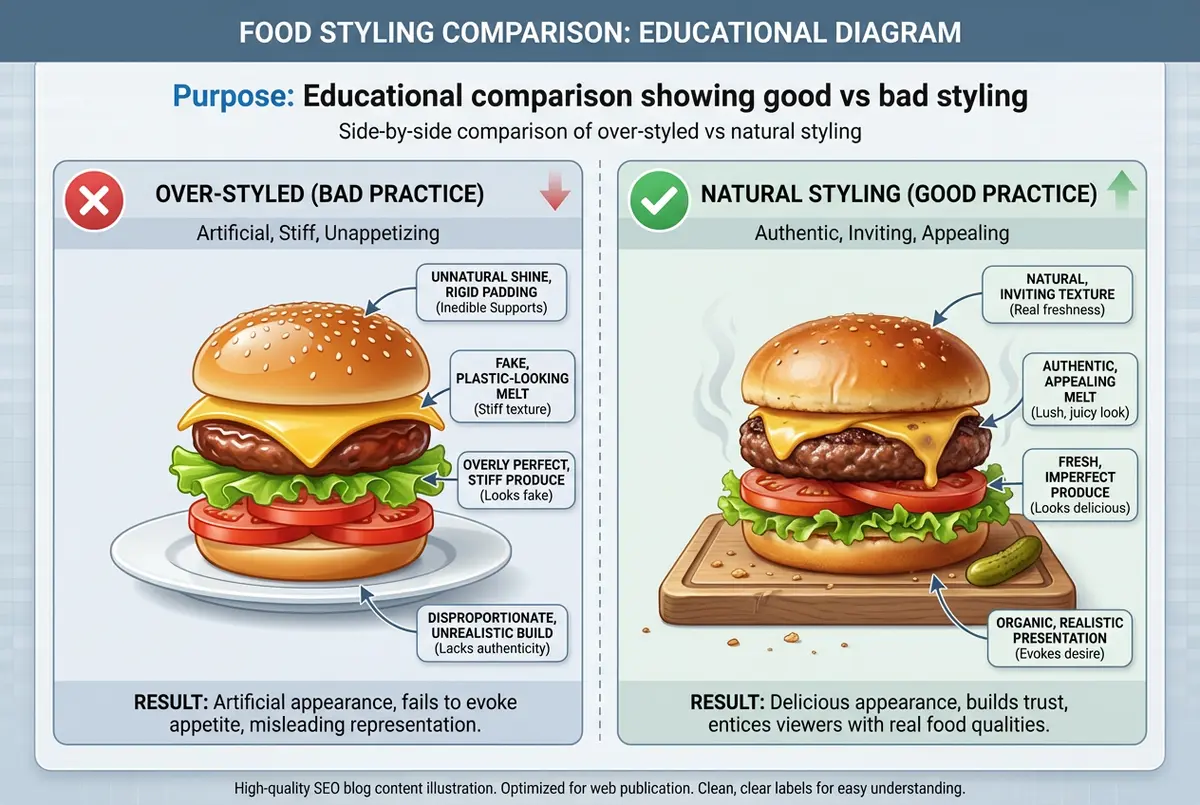
Keep styling simple and authentic. Your customers want to see what they'll actually get.
Smartphone vs Camera: What You Actually Need
You've got the technique down. Now comes the inevitable question: do you need to buy an expensive camera?
Before investing in expensive equipment, consider this point about gear. Here's the truth: you probably don't need a professional camera.
Modern smartphones, especially iPhones and flagship Android devices, take excellent food photos. Many Instagram food accounts regularly use smartphones (BuzzFeed, 2026). The camera in your pocket is typically good enough for the job.
For example: A cafe might shoot all their breakfast dishes using the owner's iPhone 14. No tripod, no fancy camera, just good window light and consistent angles. Their Instagram feed looks professional because they've mastered the technique, not because they've spent thousands on gear.
When a smartphone typically works: Social media posts, Instagram Stories, quick menu updates, behind-the-scenes content. Anywhere your photos will primarily be viewed on a phone screen.
When you might need a proper camera: High-resolution menu printing, large format posters, professional website hero images. Even then, many UK restaurants still use smartphones successfully for these applications.
The real difference isn't equipment: it's technique. A professional photographer typically takes better photos with your smartphone than you will with their £3,000 camera. Learn the fundamentals: lighting, composition, and angles. The gear matters far less than you think.
Real-World Case Example: The Pizza Place That Doubled Instagram Engagement
A neighbourhood pizza restaurant in Bristol applied these techniques without buying any new equipment. They identified their best window spot (front corner table at 2pm), shot all five signature pizzas in one 25-minute session using the owner's iPhone, and posted consistently for eight weeks.
Results: Instagram engagement increased from an average of 47 likes per post to 94 likes per post. More importantly, they started seeing customers specifically requesting "the pizza from your Instagram", the Nduja Special with the overhead shot showing the perfectly charred crust.
What changed: Not the camera. Not the pizza. Just consistent technique applied systematically: same window, same time, same angles from this guide, batch photographed weekly.
Smartphone Photography Tips
If you're using a smartphone:
- Clean your lens. It sounds obvious, but many phone lenses are covered in fingerprints and pocket lint. Wipe it on your shirt before every shoot.
- Never use digital zoom. It destroys image quality. Step closer instead.
- Turn on gridlines. Most camera apps have a grid option (usually called "rule of thirds"). It helps you frame shots and keep horizons level.
- Shoot in natural light. Your phone's flash makes food look terrible. Always turn it off.
- Edit lightly. A small boost to brightness and contrast is fine. Heavy filters make food look artificial.
Related reading
Make sure your photos are driving actual results. See our guide to shooting restaurant menu photos.
The Editing Phase: Less Is Almost Always More
You've shot your photos following the advice above. Now comes editing, the step where many people accidentally ruin good photos.
After you've captured your shots, the final step is editing. You don't need Photoshop. You don't even need Lightroom. Free editing apps on your phone can typically handle 95% of what you need.
What to adjust:
Brightness: If your photo looks too dark (common with window lighting), brighten it slightly. Not so much that it looks washed out, just enough that details are visible.
Contrast: A small contrast boost (5-10%) makes colours pop and adds depth. Too much looks harsh and unnatural.
Saturation: Be careful here. A tiny increase (5%) can make colours more vibrant. Anything more makes food look fake.
Sharpness: A slight sharpness increase can make details crisper. Don't overdo it. Over-sharpened food looks artificial.
What not to adjust:
- Filters: Many Instagram filters are too heavy for restaurant food photography. They shift colours in ways that make dishes look unappetising.
- Skin tone adjustments: If your editing app has them, ignore them. They're designed for portraits, not plates.
- Heavy cropping: If you need to crop significantly, reshoot. Cropping too much reduces quality.
According to research on social media engagement, over-edited food photos often perform worse than natural-looking images (Social Media Examiner, 2026). People instinctively distrust photos that look too polished or unrealistic, a detail that's often overlooked.
Recommended Editing Apps for Restaurant Photography
Free: Snapseed (iOS/Android), VSCO (basic version), built-in phone editors
Paid (if needed): Lightroom Mobile (£5/month), Afterlight (£3 one-time)
Restaurant Food Photography Tips From Reddit: What the Community Says
Theory is one thing. Real-world implementation is another. Here's what restaurant owners actually doing this work say matters most.
The photography community on Reddit consistently emphasises practical tips that work for busy restaurant owners:
Timing Your Restaurant Photography Sessions
Shoot during prep, not during service. When you're slammed with orders, you can't afford the time to style and photograph dishes. Dedicate 30 minutes during your quiet periods (mid-afternoon, just before service) to photograph your hero dishes. One good photo session can give you content for weeks.
For example: A pizza restaurant might dedicate Tuesday afternoons (their quietest day) to photographing their five signature pizzas. Twenty minutes total, same window spot every week, and they've got fresh content for the entire fortnight.
Batch Processing Strategy
Batch your photography. Don't shoot one dish at a time. Prepare five or six of your most popular dishes, set up your lighting spot, and photograph them all in one session. It's more efficient and creates consistency across your images.
Building Your Restaurant Photography Library
Keep a "greatest hits" folder. When you nail a photo, save it separately. You'll reuse these images for menus, promotions, and social posts. Having a library of proven great shots means you're never scrambling for content.
The best camera setting is the one you'll actually use. Fancy cameras with manual settings are useless if you never have time to adjust them. If your smartphone works and fits into your workflow, that's the right tool for the job.
If you can't tell whether your photography brings in customers or just fills your Instagram grid, that's usually a sign you need to track engagement metrics, not upgrade your equipment.
Info
Self-reflection check: Would you follow your restaurant's own social media account if you weren't the owner? If you're hesitating, that's honest feedback worth acting on.
Restaurant Photography Checklist
Use this checklist before every photo session:
- Window light identified and tested at the right time of day
- All artificial lights in the room turned off
- Background surface clean and simple (no clutter)
- Plate edges wiped clean (no drips, smudges, or mess)
- Phone lens cleaned (fingerprints destroy image quality)
- Gridlines enabled on camera app for straight framing
- 3-5 shots taken from each angle (pick best later)
- Photos reviewed immediately while food is still fresh
- Best shots saved with clear, descriptive filenames
Common Restaurant Photography Mistakes (and How to Fix Them)
Even with solid restaurant photography tips, these mistakes still trip up most beginners. Here's how to avoid them.
Mistake 1: Mixing Light Sources
Your restaurant has overhead lights. There's a window. Maybe there's a decorative lamp in the corner. Using all of them creates a colour temperature mess: your food looks yellow in one area, blue in another, and grey everywhere else.
Fix: Choose one light source and turn off the others. Natural window light is almost always the best choice.
For example: A breakfast cafe might turn off all kitchen lights and use only the front window for morning dish photography: the natural morning light makes eggs and pastries look warm and inviting.
Mistake 2: Shooting from Too High
Standing at your normal height and pointing your camera down creates a boring, flat perspective. This point about height is crucial. Food looks more appealing when photographed from closer to table level.
Fix: Bend down. Get lower. Shoot from the angle a diner would see the dish.
Mistake 3: Cluttered Backgrounds
A beautiful dish loses impact when it's surrounded by messy counters, random kitchen equipment, or busy patterns.
Fix: Clear everything away before shooting. Use a simple, clean surface. If your restaurant's tables aren't photogenic, buy a wooden board or marble tile (£10-20) and use that as your photography background.
Mistake 4: Cold Food
You're busy. You plate the dish, then spend five minutes adjusting the lighting, styling the frame, and taking multiple shots. By the time you're done, the food looks lifeless.
Fix: Work fast, and have your setup ready before plating. For dishes that wilt quickly (salads, anything with sauce), prepare everything else first, then plate and shoot immediately.
Weekly Action: Your 30-Minute Restaurant Photography Routine
Understanding the technique is one thing. Building a sustainable routine is another.
You don't have hours to dedicate to photography. Here's what you can do in 30 minutes, once a week, that will transform your visual content.
If You Only Have 30 Minutes a Week
Here's a structured approach broken down by day:
Day 1-2: Set up your photography spot (10 minutes)
- Find the best window in your restaurant during mid-afternoon
- Test the light: overcast days provide the softest, most flattering illumination
- Clear a table near that window and designate it your permanent photography station
- Choose 2-3 background surfaces: a wooden board, a plain countertop, or your actual table
Day 3-4: Batch photograph your top 5 dishes (20 minutes)
- Prep all five dishes at once during your quietest period (typically mid-afternoon)
- Shoot each dish from two angles: 45-degree and overhead
- Take 3-5 shots of each; you'll pick the best one later
- Clean the plate edges between shots to remove drips and smudges
Day 5-6: Edit and organise (15 minutes)
- Pick the single best shot of each dish
- Make minor edits: slight brightness boost, subtle contrast increase
- Save finals in a dedicated folder organised by dish name
- Label each file clearly: "signature-burger-45-angle.jpg"
Day 7: Review and plan (5 minutes)
- Review your photos honestly: which ones aren't working?
- Note which dishes need reshooting next week
- Schedule your next photography session
After one month, you'll have a solid library of professional-looking food photos. From there, it's just maintenance: add new dishes as you introduce them, refresh photos seasonally, and keep building your collection.
Would you actually follow this routine yourself, or does it feel like one more task on an already overwhelming list? Be honest: would your photos maintain this consistency through a busy summer season, staffing issues, and the inevitable chaos of restaurant operations? If it feels unrealistic, that's usually a sign you need a system that handles it automatically. That's exactly where scheduling earns its keep; planning your posts in a social media calendar keeps the routine ticking over even when the kitchen is slammed.
Related reading
Build a consistent visual brand with our restaurant marketing plan guide.
When to Hire a Professional Photographer (and When Not To)
You've put these techniques into practice. Your photos are improving. But should you hire a professional?
Most restaurants typically don't need to hire a professional for everyday social media content. You can often handle that yourself using the approach in this guide.
You might want to hire a pro when:
- You're launching a new restaurant and need high-end images for your website, press kit, and opening materials
- You're printing a professional menu and need high-resolution, perfectly styled images
- You're running a high-end establishment where photography is a key part of your brand positioning
- You've tried DIY photography repeatedly and the results just aren't working
You don't need a pro for:
- Daily or weekly social media posts
- Instagram Stories and behind-the-scenes content
- Quick menu updates or specials boards
- Facebook posts promoting your weekly specials
Professional restaurant photographers typically charge £300-800 per shoot in the UK based on industry benchmarks. That's a worthwhile investment for foundational brand imagery. It's probably overkill for a Tuesday lunch special.
Middle-ground option: Hire a professional once per year for your signature dishes and hero images, then handle day-to-day content yourself. This gives you a library of high-quality anchors while keeping costs manageable.
Equipment That Actually Helps (But Isn't Required)
Technique first, equipment second. Always.
If you've mastered the basics and want to level up your food photography, here's what's worth investing in:
A small reflector (£10-20): A white or silver reflector bounces light back onto the shadowy side of your dish, reducing harsh shadows. You can also use white cardboard or foam board.
A tripod or phone stand (£15-30): Keeps your shots steady and consistent. Especially useful for overhead shots where you need your hands free to style the dish.
A macro lens attachment for smartphones (£20-40): Lets you capture extreme close-ups of textures: glistening sauce, crispy edges, melting cheese. Used sparingly, these shots add variety to your feed.
What's not worth buying:
- Ring lights (too harsh for food, creates unnatural reflections)
- Expensive cameras if you're just posting to social media
- Backdrops or elaborate props (your actual restaurant environment is more authentic)
The reality for most UK restaurants: if you're posting to Instagram, Facebook, and your website, your smartphone and natural light typically handle 95% of your photography needs. Save the investment for things that directly impact your operations: better ingredients, staff training, or marketing that actually brings customers through the door.
FAQ: Restaurant Photography Tips
Answers to common questions about applying these techniques in real-world scenarios.
What's the best lighting for restaurant food photography?
Natural window light is typically the best option for food photos. Position your dish near a window during daylight hours, turn off artificial lights, and shoot when the light is soft (overcast days or mid-morning/mid-afternoon). Avoid harsh direct sunlight which creates unflattering shadows.
Do I need an expensive camera for good restaurant photos?
Most restaurants don't need expensive cameras for everyday social media content. Modern smartphones (iPhone, flagship Android devices) produce excellent results for Instagram, Facebook, and website use. Professional cameras are worth considering only for high-resolution menu printing or professional brand imagery.
What camera angle works best for food photography?
The 45-degree angle works for approximately 70% of dishes and is the most versatile choice you can make. Use overhead shots for flat compositions like pizza or pasta, and eye-level shots for tall items like burgers or layer cakes. Choose the angle that best showcases what makes your dish special.
How often should I photograph my menu items?
Batch photograph your top dishes once per week in a 20-30 minute session for efficiency. This builds a library of content without disrupting operations. Refresh photos seasonally or when you update menu items. Consistency matters more than frequency. One quality session weekly beats sporadic daily attempts.
Should I edit my restaurant food photos?
Light editing improves photos, but heavy editing often backfires. Adjust brightness and contrast slightly, add minimal sharpness, and avoid heavy filters. Over-edited food looks artificial and creates scepticism rather than appetite. Natural-looking photos typically perform better on social media.
Key Takeaways: Restaurant Photography Tips That Work
If you run a restaurant and want to see how Local Brand Hub can support your marketing, explore our restaurant marketing tools.
Key Takeaways: Restaurant Photography Tips That Work
These techniques don't require expensive cameras, professional training, or hours of free time. With the approach in this guide, you need good light, the right angle, and consistency to improve your food photography dramatically.
The non-negotiables:
- Use natural window light whenever possible
- Shoot from 45 degrees, overhead, or eye level depending on the dish
- Keep styling simple and realistic
- Edit lightly: enhance, don't transform
- Build a library by batching your photo sessions
The shift in mindset: Mastering this skill isn't about perfection. It's about accurately showing people how good your food looks so they want to visit and try it themselves. Overly polished photos actually work against you. They create scepticism instead of appetite.
What's realistic? One 30-minute photography session per week, capturing 5-10 dishes. That gives you a rolling library of fresh content without eating into your operations. Combined with consistent restaurant social media marketing, these restaurant photography tips create a cohesive visual brand that attracts customers.
If you're thinking "this still sounds like more effort than I have time for," that's fair. Running a restaurant doesn't leave much bandwidth for content creation, even when you know it matters.
For UK restaurants and hospitality venues
Need help with your restaurant marketing?
LocalBrandHub helps UK restaurants handle photography, menu updates, and social posts, so you get consistent, professional content without adding another task to your already overwhelming to-do list.
See how it worksGet More Marketing Tips
Practical marketing tips for UK business owners, straight to your inbox. No spam, unsubscribe anytime.
About the Author
Local Brand Hub
Empowering UK Businesses
Local Brand Hub provides comprehensive business management tools designed specifically for UK local businesses to streamline operations, automate marketing, and grow revenue.
More articlesRelated Articles
 Marketing Tips
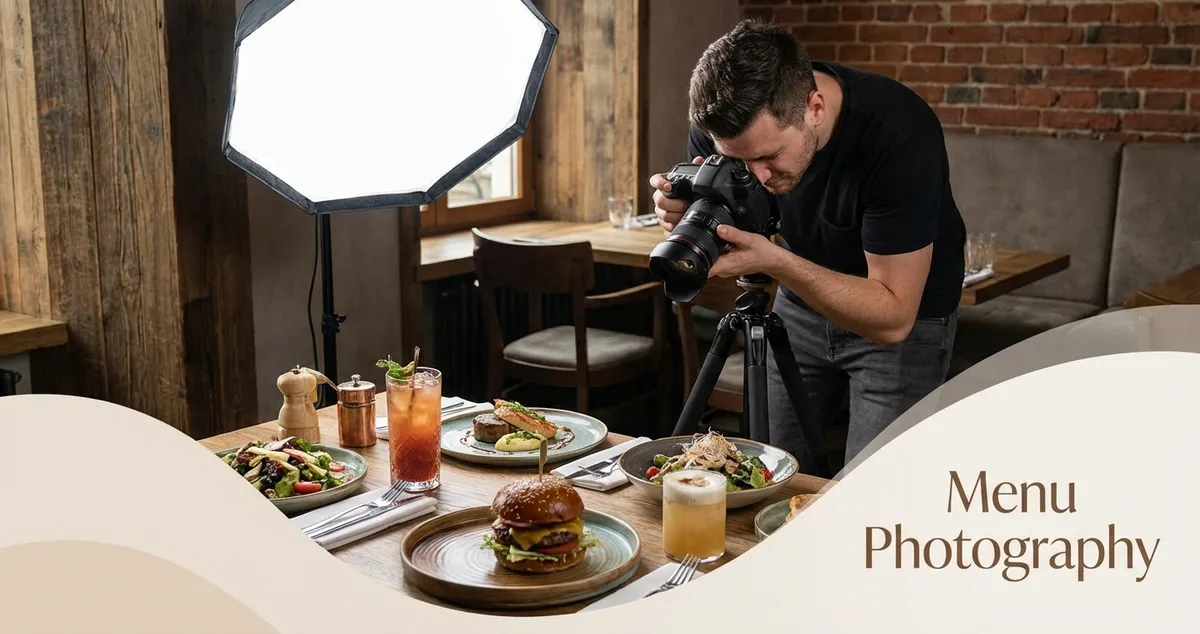
Restaurant Menu Photography: Techniques
Master restaurant menu photography with the 20-60-20 lighting rule and 3:1 ratio. Learn equipment, angles, and styling for UK restaurants.
 Marketing Tips
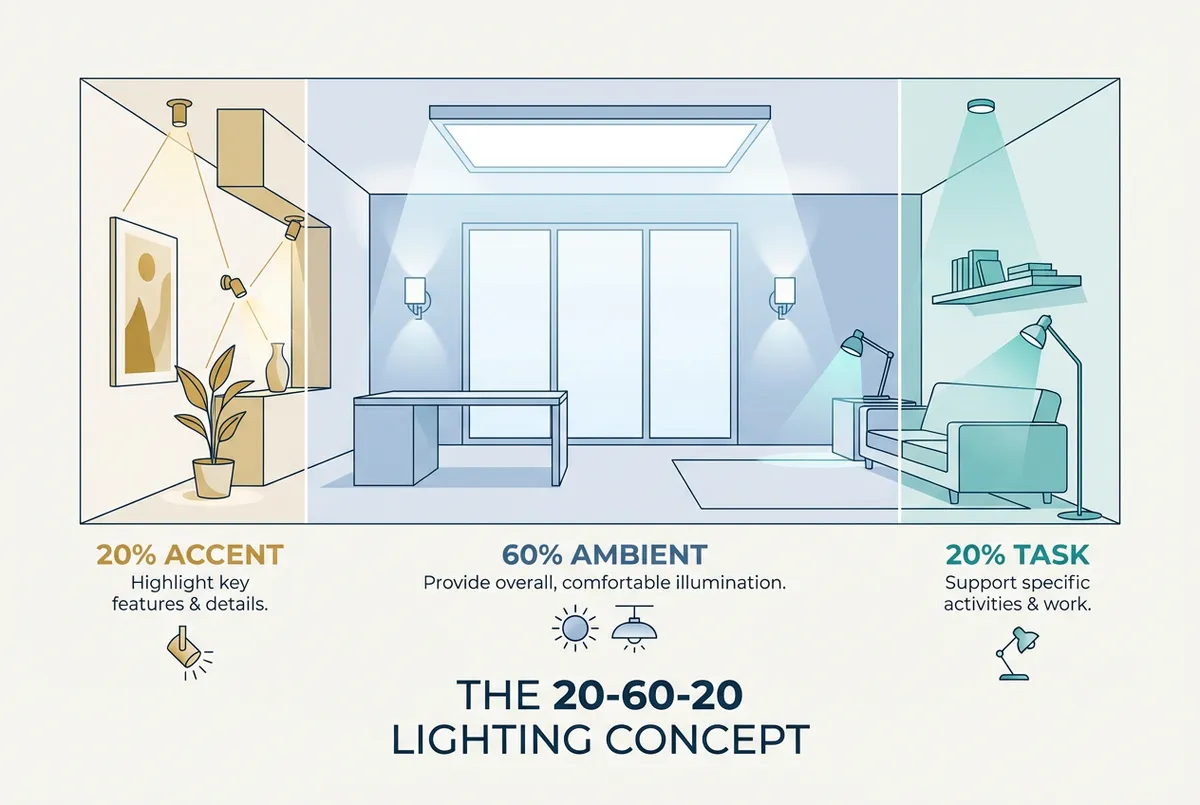
Restaurant Photography: Complete UK Guide (£150-£2,000)
Restaurant photography guide: market rates (£150-£2,000), lighting rules, shot list, when to hire pro vs DIY for UK venues.
 Marketing Tips
Restaurant Photography Pricing UK: What to Charge in 2026
UK restaurant photography pricing typically ranges from £150-£800 per session. Learn day rates, hourly pricing, the 20-60-20 rule, and regional variations.