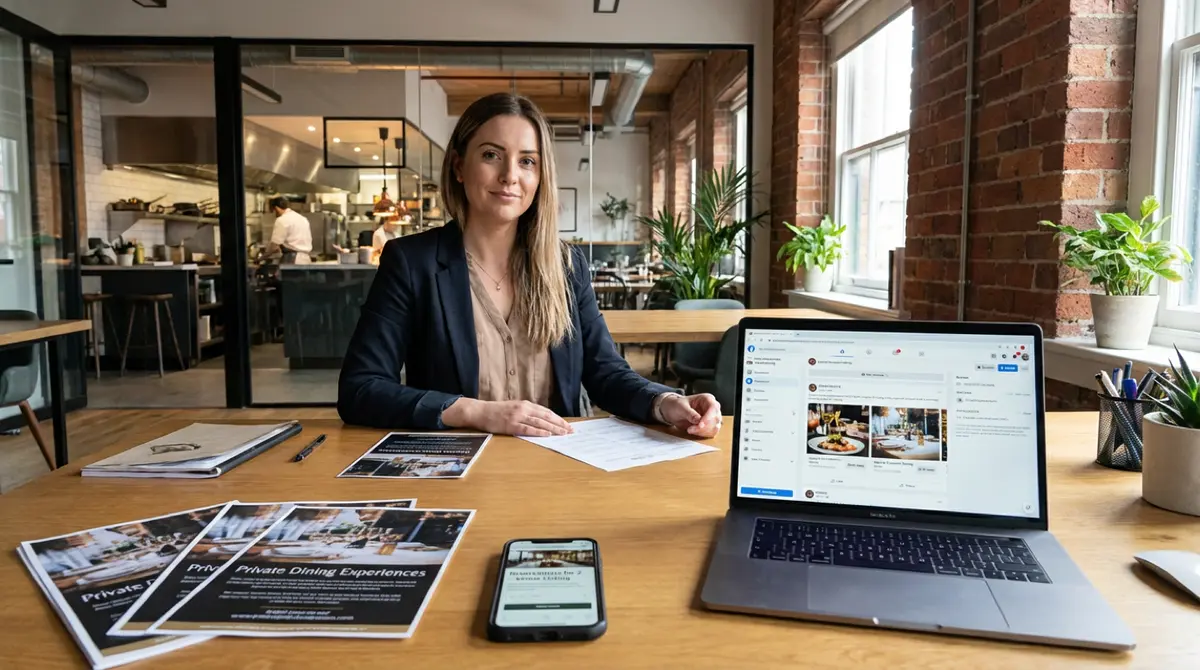
Nine private dining marketing ideas for UK restaurants: what to put on your room page, where to list it, and how to answer an enquiry before rivals do.
The private dining marketing ideas that pay are the ones a booker can act on today. Publish your capacity and minimum spend where they can be read, list the room where planners already search, and answer every enquiry the same day with a date held. Being found is the easy half.
Somewhere this morning an office manager has four venue tabs open, a date in October, and a budget she was handed rather than chose. She is not picking a restaurant. She is closing a task.
That is the gap in the usual restaurant marketing list. A diner chooses where to eat. A private dining booker is discharging a job for eleven other people, and a room she cannot price or hold stays a tab, not a booking.
The nine ideas below are grouped by where that booking is won or lost: found, answered, rebooked. If the room itself needs work, start with our guide to private dining rooms.
Related: private dining restaurant marketing strategy, the plan these ideas sit inside.

Put all your effort into the first panel and you lose the enquiry in the second.
Ideas that get the room found
1. List the room where planners are already looking
Venue marketplaces like Tagvenue, HeadBox and Hire Space let bookers compare rooms without emailing twenty restaurants. If your room is on none of them, that comparison happens without you.
A listing that works reads like a spec sheet, not a brochure:
- Seated and standing capacity
- The minimum spend
- A set menu with a price on it
- Six photographs of the room laid up
- Nearest station and step free access
Check which ones cover your city and what they charge before you list: fees and terms differ.
2. Put the numbers on your own page
Plenty of private dining pages describe the atmosphere, then ask you to fill in a form. That form buys an email address. It costs you the booker with three other tabs open.
Answer four things without a conversation: how many it seats, the minimum spend, the set menu price per head, and how somebody holds a date. Near the top, in text, not in a PDF.
The threshold is your arithmetic, not a figure borrowed from another city. Start with what that room takes on a comparable night in normal service, then add what the booking costs you elsewhere in covers and staff.

A question your page leaves unanswered becomes an email, and an email becomes a day.
3. Tell Google the room exists
Name the room in your description on Google, add photographs of it laid up, and fill in the attributes Google offers. Google's documentation states that attributes show on your Business Profile across Search, Maps and other Google platforms, and that a business might show up in searches for places with those attributes.
It costs twenty minutes and nothing else. It will not reach the booker searching inside a marketplace, though, which is why idea one comes first.
Related: private dining, for layout, capacity and menus.
Answer the enquiry before your rivals do
4. Answer the same day, with a date in the reply
Bookers shortlist. Assume her enquiry went to other rooms and that her clock started when she pressed send.
Speed only counts if the reply is worth the wait: yes it fits, here is the price, and I am holding Thursday 16 October until Friday.
A held date turns a browse into a decision. It comes with a deadline. Same day is a standard to start from and adjust.
Imagine two comparable rooms getting the same enquiry at nine. One replies by half ten with a price and a date held until Friday. The other replies next afternoon, asking what sort of event she has in mind.
The second room may be the better dinner. It is answering a question she stopped needing to ask. Both rooms are invented.
5. Photograph the room three ways
Nobody books an empty room. They book a birthday, a client dinner, or a team lunch that will not embarrass them.
Lay the room up three ways before service and shoot it: a long table for a corporate lunch, a round table with candles, the room in exclusive hire with drinks standing. An hour with a phone buys a year of images.
6. Give the enquiry an owner, not an inbox
Private dining enquiries die in shared inboxes during service. Name one person who owns them, give bookers a number that gets answered, and put the answering hours in the auto reply.
If you already take group bookings through a system, use it here too: our restaurant group bookings guide covers keeping the enquiry and the diary together.
Related: restaurant corporate events, what corporate bookers are buying.
Turn one booking into next year's
7. Ask for next year before they leave
The easiest booking you will take next year belongs to the guests standing in your room now, coats on, in a good mood. Hardly anyone asks. Ask on the night.
Repeat it with three corporate clients and next Christmas opens with three dates gone.
8. Learn the names of the office managers near you
Corporate private dining is bought by a small group working near you: office managers, executive assistants, team leads with a card and a date. Rankings are not the lever here. Be the name they remember when the request lands.
Send a named person a menu and a price they can forward to their director, then invite them in. One good event can make you the first place they suggest.
9. Sell the room to the people already sitting in it
Your dining room is full of people who might book the private one. A table card reading "Planning something for a group? Ask us about the private room, it seats [insert your own capacity]" costs pennies. Replace the bracket with your real number before printing.
Give front of house one sentence for the bill that does not sound like a pitch. When you ask for a Google review, ask happy guests to name the occasion: "our team Christmas lunch upstairs" tells the next booker the room does that sort of night.
Frequently asked questions
How do I market a private dining room on a tight budget?
Most of the first half costs time rather than money: the numbers on your page, the room on your profile with Google, one sentence for front of house at the bill. Marketplace listings can carry fees, so check those first. Advertising is worth considering once the rest is live, because it only sends traffic to whatever your page says.
How much should I set as a minimum spend for private dining?
Build it from your own room, not a benchmark. Take the takings that space produces in normal service on a comparable night, add what it costs you elsewhere in covers and staff, and that is the floor your minimum spend has to clear. Then check what comparable rooms near you ask, because your number has to survive a booker comparing four venues.
How do I attract corporate bookings to my private dining room?
Corporate work is bought by a small number of people near you: office managers, executive assistants and team leads with a budget and a date. Send a named person a menu and a price they can forward, then invite them in. After one good event, the next booking can be a reply rather than a search.
How far ahead should I market Christmas private dining?
September is a sensible starting point, but treat it as an experiment rather than a rule: log the month each Christmas enquiry arrives, then next year start a few weeks before the earliest.
What is the 3-3-3 rule in marketing?
A social posting shorthand circulating in several versions, splitting posts into thirds by purpose. None was written with a private dining room in mind. The rule that fits this job is simpler, and it is a starting point to adjust, not a minimum: a photograph a week of the room set up for a real occasion, and a reply to every enquiry the same day.
For the wider plan, see our restaurant group dining marketing hub.
LocalBrandHub keeps the marketing side moving: a social calendar for those photographs and ready made seasonal campaigns for the UK calendar.
Weekly Action
Key Takeaway
If you only do three things this week, make it these:
- Rewrite your private dining page so capacity, minimum spend and set menu price read without a form.
- List the room on two marketplaces with the same numbers and six photographs.
- Set a reply standard and a held date policy, then tell whoever answers the phone.
A private dining room is not a product you sell. It is a date you hold for somebody who has to report back to eleven colleagues.
For restaurants, salons, and local businesses
Need help with your marketing?
We help UK businesses turn social media into real results, not busywork.
Start freeSources
Get More Marketing Tips
Practical marketing tips for UK business owners, straight to your inbox. No spam, unsubscribe anytime.
About the Author
Local Brand Hub
Empowering UK Businesses
Local Brand Hub provides comprehensive business management tools designed specifically for UK local businesses to streamline operations, automate marketing, and grow revenue.
More articlesRelated Articles
 Marketing Tips
Private Dining Marketing Strategy: 12-Month Plan
Build a private dining marketing strategy that fills your room year-round with seasonal campaigns, corporate pipelines, and rebooking systems.
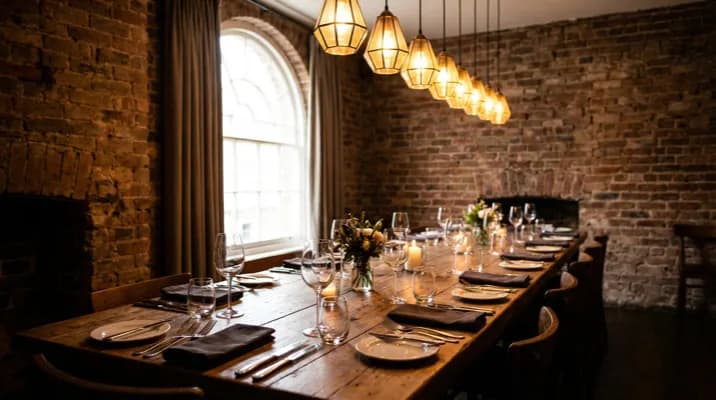 Marketing Tips
Restaurant Group Dining Marketing: UK Guide
Proven group dining marketing strategies for UK restaurants. Boost private dining revenue with pricing, corporate outreach, and seasonal campaigns.
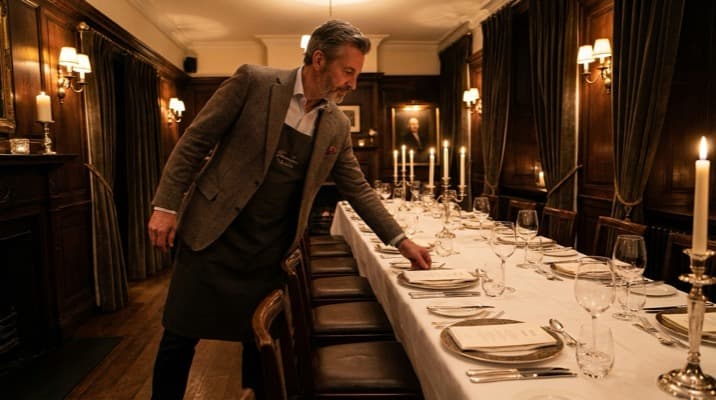 Industry Insights
Private Dining: Set Up, Price, and Market Your Room
Turn your underused back room into steady revenue. A UK guide to private dining setup, pricing models, and marketing for restaurant owners.