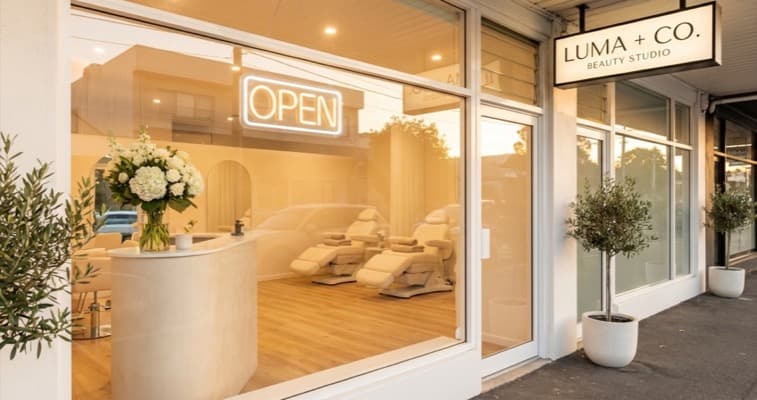
How to start a beauty business in the UK. Covers business plans, startup models, regulations, staffing, and marketing for new beauty salon owners.
How to start a beauty business is the process of choosing a business model, securing qualifications and premises, registering with your local council, and building a client base, whether you operate from home, rent a room, or open your own salon.
You've been thinking about this for months. You're brilliant at what you do. Clients rebook every time and tell their friends. But turning that skill into an actual business feels like a different world entirely. HMRC, insurance, lease agreements, marketing: none of that was in your NVQ.
This guide shows you how to start a beauty business in the UK, every stage from planning to your first paying client, with links to detailed guides on each topic.
What You'll Learn
- The key decisions you need to make before spending any money
- How to write a beauty salon business plan that attracts funding
- Which business model suits your budget: home-based, chair rental, or own premises
- Legal requirements, health and safety compliance, and insurance
- How to build your team and market your new salon
Is a Beauty Business Right for You?
Before you learn how to start a beauty business, you need to decide whether it suits your life at this stage.
The UK beauty and personal care sector contributed £30.4 billion to GDP in the most recent reporting period, growing at 9%, significantly faster than the overall economy. If you want to start a beauty business, the timing is favourable. There are approximately 51,821 businesses in the hairdressing and beauty treatment industry, and three-quarters of them employ fewer than five people.
That is both encouraging and sobering. The market is large and growing, but also competitive, with many salons chasing the same local clients.
Research Your Local Area
Check Google Maps for competing salons within a one-mile radius of your planned location before committing to anything.
Before you commit, ask yourself three questions:
- Do you have a specialism that sets you apart? A beauty therapist who focuses on skin treatments competes differently from one offering a bit of everything.
- Can you commit to the business side as well as the treatments? Marketing, bookkeeping, and client management take real time.
- What is your financial runway? Most new beauty businesses need at least 3-6 months of living expenses saved before they become profitable.
If you're thinking "I don't have all the answers yet," the reality is that nobody does at this stage. The important thing is asking these questions before you sign a lease.
Writing Your Business Plan
With the decision made, writing your plan is the first real step to start a beauty business. A solid business plan is non-negotiable, whether you need a bank loan or not. It forces you to think through pricing, costs, competition, and realistic revenue targets before you spend money.
Your plan should cover:
- Executive summary: what your business does and who it serves
- Market analysis: local competition, target demographics, pricing benchmarks
- Financial projections: startup costs, monthly overheads, break-even timeline
- Marketing strategy: how you will attract and retain clients
For instance, a nail bar targeting professionals in a city centre has a very different plan from a home-based beauty therapist serving a rural catchment area. Your plan should reflect your specific model, not a generic template.
Our detailed beauty salon business plan guide walks you through each section with UK-specific templates and cost calculators.
Starting From Scratch vs Buying an Existing Business
Now that your plan is written, you face a fork in the road. When you start a beauty business, you have two routes into ownership: build from nothing or buy something that already exists. Each has trade-offs.
Starting from scratch gives you full control over branding, location, and services. But it also means building a client base from zero, and that takes time.
Buying an existing salon gives you immediate revenue, an established client list, and potentially a trained team. But you inherit someone else's problems too: outdated equipment, staff contracts, and a reputation that may or may not match yours.
For example, a beauty therapist buying a high-street salon for £25,000 might discover the client list is outdated and half the equipment needs replacing. Always verify the financials independently.
Independent Financial Advice
If you're considering buying, always get independent financial advice. The seller's claimed revenue and the reality can look very different.
For a complete breakdown of due diligence, pricing, and negotiation, see our guide to beauty businesses for sale. If you prefer starting fresh, our startup guide gives you a month-by-month timeline.
Business Models: Employed, Self-Employed, or Chair Rental
The next step when you start a beauty business is the biggest financial decision, choosing your operating model. The right choice depends on your budget, risk tolerance, and where you are in your career.
| Model | Startup Cost | Risk Level | Income Potential |
|---|---|---|---|
| Employed in a salon | £0 | Low | Fixed salary |
| Self-employed (mobile/home) | £500-£3,000 | Medium | Variable |
| Renting a room in a salon | £600-£2,000/month | Medium | Higher variable |
| Renting a chair | £80-£200/week | Medium | Variable |
| Opening your own salon | £10,000-£50,000+ | High | Highest potential |
For most beauty therapists starting out, self-employment or room rental typically offers a good combination of low risk and decent income. You can build your client base and save for your own premises without taking on a large lease.
If you're wondering which model fits your situation:
- Already have a client list? Consider renting a room in a salon
- Want to test the waters? Go self-employed first; our guide covers HMRC registration and tax
- Thinking about the other side? Our guide on chair rental from the renter's perspective explains costs and contracts
- Want the full UK market picture? See our hairdressing chair rental overview
If you're reading this thinking "I can't afford £10,000 for my own salon", most people start smaller. The goal is to build revenue first, then reinvest.
Health and Safety Compliance
With your model chosen, compliance comes next. This isn't optional. It is a legal requirement. Every beauty business in the UK must comply with health and safety regulations, and some treatments require specific local authority licences.
Key requirements:
- Register with your local council: required for any premises-based beauty business
- Special treatment licences: needed for acupuncture, tattooing, micro-needling, and ear piercing in most local authorities
- Public liability insurance: minimum £1 million cover (most insurers recommend £5 million)
- Treatment-specific insurance: covers the services you actually perform
- COSHH assessments: required for chemical products (hair dyes, nail chemicals, skincare acids)
- Fire risk assessment: mandatory for any commercial premises
For a full compliance checklist and links to local authority registration forms, see our health and safety for beauty salon guide.
The NHBF and BABTAC both offer compliance resources specifically for beauty businesses. Membership also gives you access to legal helplines.
Building Your Team
Whether you hire employees, bring in self-employed therapists, or work entirely solo, your team decision shapes your entire operation.
Over 86% of people working in hairdressing, barbering, and beauty are female, and 60.5% are self-employed. That means the talent pool is largely freelance, which can work in your favour if you prefer a rental model over payroll.
For example, a beauty salon owner might start solo, then bring in a self-employed nail technician two days a week to test demand before offering a permanent room rental. This approach lets you grow your team without committing to payroll before revenue supports it.
If you're thinking about offering both hair and beauty services, a combined hair and beauty business has specific staffing and qualification requirements you should understand before committing.
Check Before You Agree
Ask potential self-employed therapists for client testimonials and check their insurance before agreeing to any rental arrangement.
Training your next generation of talent? Hairdressing apprenticeships are a cost-effective route to growing your team while accessing government funding.
Your First 90 Days: Marketing and Growth
Your salon is set up, compliant, and ready for clients. You need people to actually walk through the door. The first 90 days set the trajectory for a beauty business that actually lasts.
Month 1: Focus on local visibility. Get your Google Business Profile set up, claim your listing, and ask your first clients for reviews. A local SEO checklist keeps that first month focused on the basics that actually bring bookings.
Month 2: Build your online presence. Your website and local SEO are your most important long-term marketing assets. They work while you sleep.
Month 3: Start tracking what works. Which services are busiest? Which marketing channels bring the most bookings? Double down on what is working and cut what is not.
For instance, a new beauty salon might discover that 80% of first-month bookings came from Google Maps rather than Instagram. That data tells you exactly where to focus your limited marketing time.
Would you book through your own website in two taps? If the answer is no, your booking process needs simplifying.
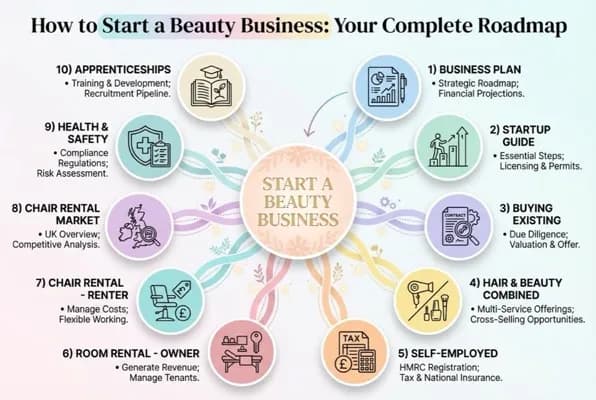
Your beauty business startup roadmap, from planning through to marketing and growth.
If You Only Have 30 Minutes a Week
If you only have 30 minutes a week, do this:
- Day 1-2: Write down your ideal business model (home, chair rental, room rental, or own salon) and list three reasons why it suits your current situation
- Day 3-4: Check your local council website for beauty business registration requirements and note any licences you would need for your planned treatments
- Day 5-7: Draft the financial section of your business plan: list realistic startup costs and monthly overheads for your chosen model
For ongoing marketing and growth resources tailored to beauty salon owners, explore what LocalBrandHub can do for your business.
For restaurants, salons, and local businesses
Need help with your marketing?
We help UK businesses turn social media into real results, not busywork.
Start freeKey Takeaway
Key Takeaways
- The UK beauty sector is worth over £30 billion, with most businesses employing fewer than five people. You do not need to start big
- Write a business plan even if you do not need external funding. It is your thinking tool
- Choose a business model that matches your budget: self-employment and room rental are lower-risk starting points
- Health and safety compliance is non-negotiable. Register with your council and get proper insurance before you trade
- Build your team through rental arrangements before committing to payroll
- Focus your first 90 days on local visibility, online booking, and tracking what works
Get More Marketing Tips
Practical marketing tips for UK business owners, straight to your inbox. No spam, unsubscribe anytime.
About the Author
Local Brand Hub
Empowering UK Businesses
Local Brand Hub provides comprehensive business management tools designed specifically for UK local businesses to streamline operations, automate marketing, and grow revenue.
More articlesRelated Articles
 Business Growth
Beauty Business for Sale: A UK Buyer's Guide
Find a beauty business for sale in the UK. Covers valuation, due diligence, legal steps, and your first 90 days as a new salon owner.
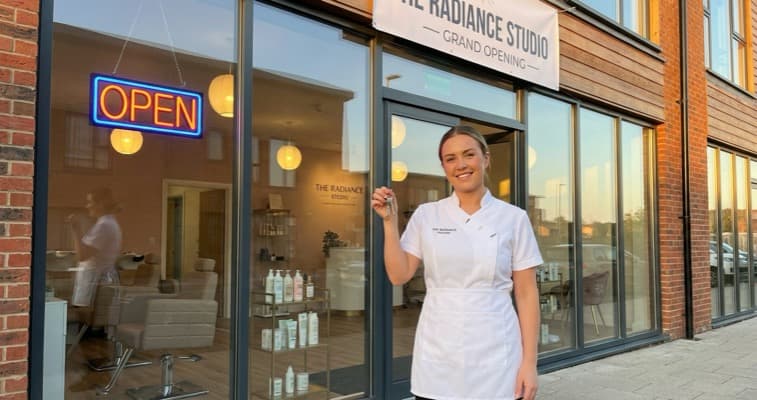 Tutorials
How to Start a Beauty Business: 6-Month Timeline
How to start a beauty business in the UK with this 6-month timeline. Covers costs, legal setup, premises, equipment, and marketing to open your doors.
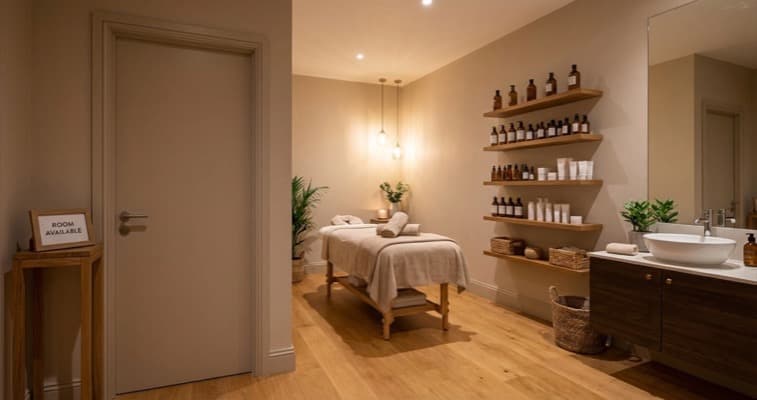 Business Growth
Room for Rent in Salon: Owner's Revenue Guide
Room for rent in salon explained: UK regional pricing benchmarks, essential contract clauses, and HMRC employment status rules. Practical owner guide.