~0 min left
Marketing Tips

Restaurant Grand Opening Marketing Strategy

21 min read
LLocal Brand Hub
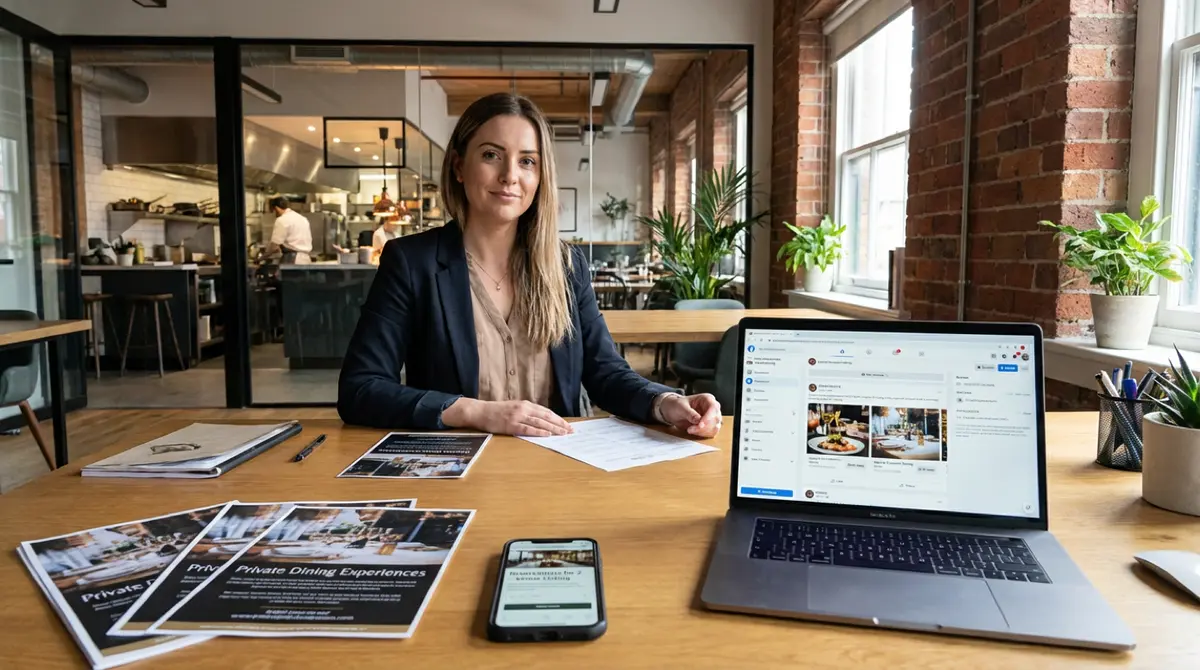
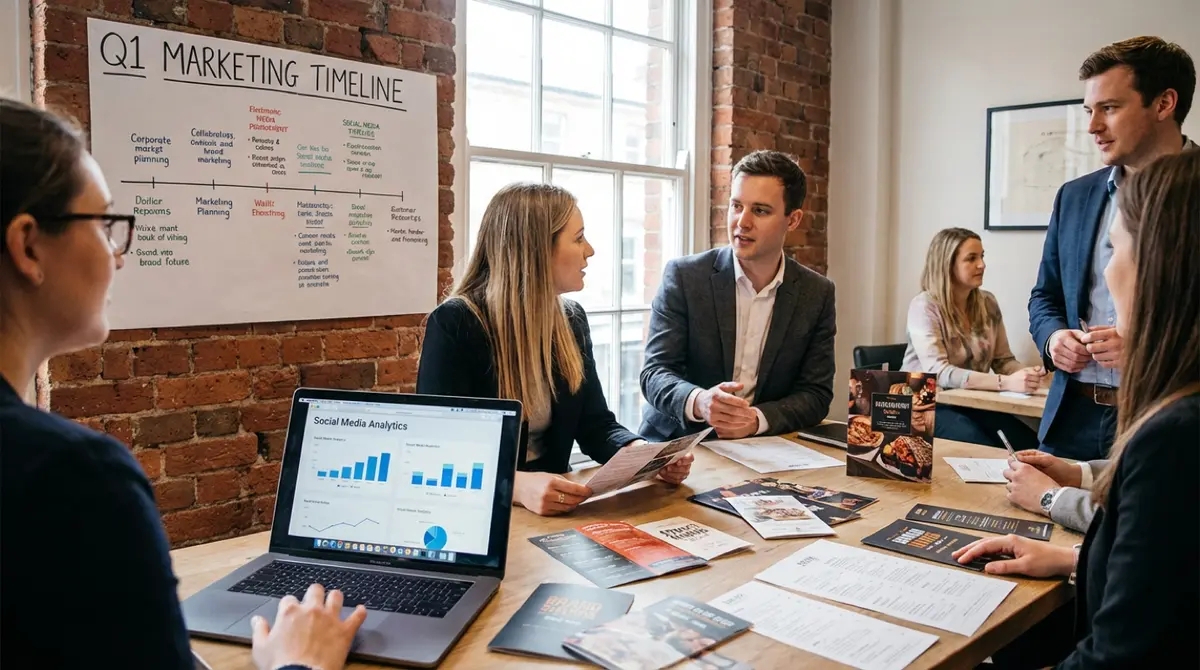
UK restaurant owner reviewing a marketing timeline and budget plan before grand opening
TLDR

Plan your restaurant grand opening marketing strategy with the 3-phase framework covering pre-opening, launch week, and first 90 days.

You've spent months on the fit-out. Opening day is six weeks away. You've got a marketing budget and a list of ideas from every restaurant blog online. What you don't have is a restaurant grand opening marketing strategy — a structured plan for spending that budget across the 12 weeks that matter.

Info

Related: Restaurant Grand Opening Marketing — our complete hub guide covering every aspect of your launch

A restaurant grand opening marketing strategy is a structured approach that divides your launch marketing into three phases — pre-opening, launch week, and post-opening momentum — with specific activities, budget allocations, and goals for each. Instead of random tactics, it builds anticipation, maximises your event, and converts first visitors into regulars.

What You'll Learn

  • Why most grand opening marketing fails — and the structural mistake behind it
  • The 3-phase framework covering pre-opening, launch week, and first 90 days
  • What to do in each phase with specific weekly milestones
  • How to allocate your marketing budget across all three phases
  • The minimum viable plan if you only have 30 minutes a week

Why Most Grand Opening Marketing Fails

Many restaurant owners don't skip marketing entirely. They do bits of it — a few Instagram posts here, a flyer drop there, maybe a deal with a local food blogger the day before opening. The problem isn't effort. It's timing and structure.

Info

According to UKHospitality's sector closure analysis (2025), the UK hospitality sector experienced roughly 62 net closures per month across 2025. The restaurants that survive often share one thing in common: they treated their launch as a marketing campaign, not a single event.

If you're thinking "I'll figure out the marketing once the fit-out is done" — that's usually a sign you're about to repeat one of the biggest mistakes in restaurant launches. Marketing runs parallel to everything else.

Here's what goes wrong when there's no restaurant grand opening marketing strategy:

  • Budget gets front-loaded or panic-spent. Without a plan, owners either blow their entire marketing budget on the grand opening event itself or spend nothing until the week before, then scramble.
  • No pre-opening audience exists. You announce your opening to social media accounts with 30 followers. The announcement reaches nobody.
  • Post-opening momentum dies. The event goes well, but there's no plan for week two. The buzz fades. Tables empty. The quiet mid-week becomes the norm rather than the exception.
  • Tactics without sequence. Running Facebook ads before you've claimed your Google Business Profile. Inviting influencers before you've nailed your brand story. Printing flyers before you have a website to send people to.

For example, imagine two restaurants opening on the same high street:

  • Restaurant A spends £3,000 on a lavish opening party with a DJ, free drinks, and a photographer — but only starts marketing two weeks before opening.
  • Restaurant B spends the same £3,000 spread across eight weeks: building social media, collecting email subscribers, hosting a soft opening, running a more modest launch event, and investing in review generation post-opening.

Three months later, Restaurant B has triple the Google reviews, an engaged email list, and steady weekday trade. Restaurant A is still wondering why the buzz disappeared after week one.

Plan beyond the event

Related: Restaurant Marketing Plan — the longer-term marketing framework that picks up where your launch strategy leaves off

The 3-Phase Framework: Overview

So you know what goes wrong. Here's the restaurant grand opening marketing strategy framework that prevents it.

Info

The 3-phase framework is a structured approach that divides your launch marketing into three time-bound stages, each with distinct objectives and budget allocations.

PhaseTimelinePrimary GoalBudget Share
Phase 1: Pre-OpeningWeeks 8-3 before launchBuild audience and anticipation30-40%
Phase 2: Launch WeekWeek 0-1Maximise visibility and first impressions30-35%
Phase 3: Post-OpeningWeeks 2-12 after launchConvert visitors into regulars25-35%

The percentages flex depending on your concept:

  • A destination restaurant in a competitive city centre might weight Phase 1 heavier for brand-building
  • A neighbourhood cafe might invest more in Phase 3 to build local loyalty
  • The principle stays the same: spread your investment across all three phases

For example, a family-run Indian restaurant might allocate roughly a third of its launch budget to each phase — brand design and social ads in Phase 1, event and photographer costs in Phase 2, retargeting ads and loyalty cards in Phase 3. Each phase feeds the next.

If you're only spending money on your grand opening event you'll always lose to competitors who invest across all three phases. One spectacular evening doesn't build a business. A structured twelve-week restaurant grand opening marketing strategy does.

Protect your post-opening budget

Dedicate at least 25% of your marketing budget to Phase 3. Many restaurants neglect post-opening entirely, and that's where regulars are made.

Phase 1: Pre-Opening (Weeks 8-3 Before Launch)

With the framework clear, let's break down what happens in each phase of your restaurant grand opening marketing strategy — starting with the weeks that many owners waste.

The first phase of your restaurant grand opening marketing strategy is about building the foundation that makes everything else work. Nobody can attend your grand opening if they don't know you exist. Nobody shares your launch post if they aren't already following you.

Weeks 8-6: Brand and Digital Foundation

Brand identity and visual assets. Before you post anything, you need a consistent visual identity — logo, colour palette, photography style, and tone of voice. This doesn't require a branding agency. A clear logo, a colour scheme that works across social and print, and high-quality photos of your space mid-construction is enough to start. Make sure your food hygiene registration is submitted early too — your rating becomes part of your brand story.

Website and Google Business Profile. Get a simple website live early — even a single page with your concept, location, opening date, and an email signup form. Claim your Google Business Profile and set the opening date. According to BrightLocal's 2025 Consumer Review Survey, 83% of consumers check Google reviews before choosing a local business. Your Google listing needs to be live and optimised well before you open.

Build your social presence early

Related: Restaurant Social Media Marketing — build your social presence alongside your launch plan

Social media account setup. Create Instagram, Facebook, and TikTok accounts using your brand identity. For most restaurants, start with Instagram — it's typically the strongest platform for food content. Begin posting behind-the-scenes content: fit-out progress, menu development, staff introductions. This raw, unpolished content typically performs better than polished marketing material because it feels real.

For example, a new gastropub in Manchester might spend weeks 8-6 posting daily Instagram Stories of the bar being built, the custom tile going in, and the head chef testing recipes. By the time they announce the opening date at week 5, they've already got 400 engaged followers who feel invested in the project.

Weeks 5-4: Audience Building

Email list building. Create a "founding diners" signup offering early access to bookings, a complimentary welcome drink, or an invitation to the soft opening. Place signup forms on your website, in your social media bios, and on printed materials at the venue.

Local media relationships. Identify food journalists, local newspaper columnists, and community bloggers in your area. Send a concise press release with professional photos and a clear story angle. What makes your restaurant different? Why should their readers care? Lead with the story, not the opening date.

Influencer outreach. Find local food influencers with genuinely engaged followings — engagement rate matters far more than follower count.

Info

A local food account with 5,000 followers who all live within five miles of your restaurant is often worth more than a national account with 100,000 followers scattered across the country.

Community engagement. Join local Facebook groups, introduce yourself at neighbouring businesses, and attend local events. The more visible you are in the community before opening, the more your restaurant grand opening marketing strategy feels like a neighbourhood event rather than a commercial transaction.

Weeks 3-2: Building Anticipation

  • Announce your opening date with a proper moment — a countdown, a video reveal, a styled graphic.
  • Launch targeted local ads on Facebook and Instagram aimed at people within 3-5 miles. Even £5-10 per day reaches thousands of local residents.
  • Finalise soft opening invitations. Your email list, friends and family, local business owners, and selected influencers should all receive personal invitations.
  • Install physical marketing. Window signage, A-boards, flyers in neighbouring businesses, and a "coming soon" banner visible from the street.

If you're only starting marketing the week before opening you'll always lose to competitors who build anticipation for months. You don't need a finished menu to build an audience. You need a concept, a location, and a willingness to show the journey.

Phase 2: Launch Week (Weeks 0-1)

You've built an audience. Time to use it. Phase 2 is typically the highest-visibility part of your restaurant grand opening marketing strategy, but it only works if Phase 1 built the audience to receive it.

Soft Opening (Days 1-3)

A key element of any restaurant grand opening marketing strategy is a controlled soft opening in the days before your public launch. This is your operational stress test and your first chance to generate reviews.

Day 1: Friends and family only. Low pressure. Focus on identifying kitchen bottlenecks and service timing issues.

Day 2: Email subscribers and local business contacts. Slightly higher pressure. Ask for honest feedback through comment cards or a simple QR-code survey.

Day 3: Influencers and press. This is your first external-facing evening. Make it count. Ensure your strongest dishes are on the limited menu and your team is warmed up.

Run a trial service first

Related: Restaurant Soft Opening — detailed guidance on planning and running your trial service

For example, a Thai restaurant in Leeds might discover during its Day 1 soft opening that the pad thai takes 18 minutes — far too long for a busy service. By Day 3, the kitchen has adjusted the prep process and cut it to 11 minutes. That's the difference between a frustrated food blogger writing about slow service and one raving about the food.

Grand Opening Event (Day 4-5)

Your grand opening event is where the restaurant grand opening marketing strategy reaches peak visibility.

  • Curate the guest list deliberately. Prioritise people who amplify — journalists, bloggers, active community members, neighbouring business owners. A smaller room of people who post, write, and talk is worth more than a packed venue of guests who eat and leave.
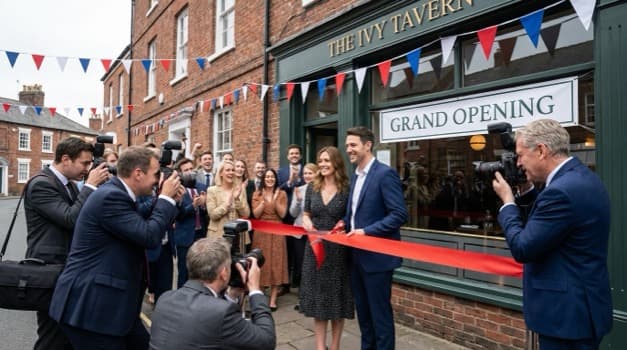
  • Create photographable moments. A ribbon-cutting with a local figure, a signature cocktail, a dramatic dish presentation. According to SevenRooms' UK Restaurant Trends report (2025), 45% of UK diners discover new restaurants through social media. Every guest photo is free advertising.
  • Book a professional photographer. The photos from opening night fuel your social media, website, and press kit through the entire first quarter.
  • Plan a clear opening offer. A modest incentive — a complimentary dessert or a loyalty card activation — encourages return visits without devaluing your brand.

Maximise your launch day

Related: How to Promote a Grand Opening — step-by-step event planning for maximum day-of impact

First-Week Social Blitz

During launch week, post daily across all platforms. Share professional photos from the event, behind-the-scenes footage, customer reactions, and staff celebrations. Respond to every comment, tag, and mention within hours.

If you're only posting three times during opening week then going silent you'll always lose to competitors who maintain daily engagement through launch. This is the highest-engagement window you'll ever have — use it or lose it.

Review generation is critical. Ask every guest to leave a Google review. Print QR codes linking to your Google listing on receipts, table cards, and thank-you emails. The reviews you collect in week one shape how every future customer perceives you.

Warning

If you can't tell whether your opening week generated long-term customers or just one-night visitors, that's usually a sign your restaurant grand opening marketing strategy lacks a Phase 3. The event creates attention. The follow-up creates revenue.

Phase 3: Post-Opening Momentum (Weeks 2-12)

The party's over. The real work begins. This is where many restaurant grand opening marketing strategies fall apart. The event is over, the adrenaline fades, and owners slip back into day-to-day operations. But weeks 2-12 determine whether your opening buzz becomes sustained footfall or a one-off memory.

Weeks 2-4: Consolidate

Continue active review generation. This is a non-negotiable part of any restaurant grand opening marketing strategy. Keep the QR codes visible. Follow up with soft-opening and launch-week guests via email asking for reviews and feedback. Respond personally to every review — positive and negative.

Establish a content calendar. A sustainable restaurant grand opening marketing strategy shifts from the reactive posting of launch week to a planned rhythm. Three to four posts per week showcasing dishes, staff, behind-the-scenes moments, and customer experiences.

Launch a loyalty programme. Convert first-time visitors into repeat customers:

  • A simple stamp card for coffee shops and casual dining
  • A digital loyalty app for restaurants with higher frequency
  • A founding diners club with monthly perks for fine dining

For many independent UK restaurants, a simple stamp card or founding diners club typically offers a strong balance of simplicity and effectiveness. The goal is to give opening-week guests a reason to come back within 30 days.

Keep momentum in your first month

Related: How to Promote a Newly Opened Restaurant — detailed tactics for your first 30 days of trading

For example, a burger restaurant that collected 200 email addresses during its opening fortnight might send a "Thanks for joining us" email in week three with a 15% off voucher valid Monday-Wednesday. That single email could fill 30 covers on a quiet Tuesday — covers that would otherwise sit empty.

Weeks 5-8: Expand

Build local partnerships. An often-overlooked element of a restaurant grand opening marketing strategy is cross-promotional deals with complementary businesses — nearby bars, cinemas, gyms, offices. A "dinner and a film" offer with the local independent cinema costs nothing and reaches a new audience.

Ramp up paid advertising. You have professional photos, customer reviews, and social proof. Your ads typically perform significantly better than anything you could have run pre-opening. Invest in retargeting campaigns. For a deeper dive into paid channels, see our guide to restaurant advertising.

Host events. Quiz nights, live music, themed dining evenings, seasonal menus. Each event creates a marketing moment. According to Peppermintsoda's restaurant launch guide (2025), ongoing events and themed nights are among the more effective tactics for maintaining post-launch momentum in the UK market.

This sounds great in theory. In practice, when you're down two staff and the extractor fan broke on Wednesday — the temptation is to let marketing slide. If you're only doing marketing when things are quiet you'll always lose to competitors who treat it as part of daily operations.

Weeks 9-12: Optimise

  • Analyse what's working. Review your social media analytics, Google Business Profile insights, and booking data. Which posts drive the most engagement? Which offers generate the most covers?
  • Double down on winners. If your Wednesday quiz night fills the restaurant, make it permanent. If Instagram Reels drive more bookings than static posts, shift your content mix.
  • Start planning your next quarter. By week 12, your restaurant grand opening marketing strategy transitions into your ongoing restaurant marketing plan with the audience, reviews, and data you've built.

Budget Allocation Guide

You know the phases. But how much should you actually spend on each? There's no single "right" budget for a restaurant grand opening marketing strategy. But there are benchmarks that help you plan sensibly. Industry guidance consistently suggests allocating 3-6% of projected first-year revenue to marketing, with a heavier weighting during your launch period.

Budget Breakdown by Phase

Percentages below are guidelines — adjust based on your concept and local market.

PhaseShare of Launch BudgetKey Investments
Phase 1 (Weeks 8-3)30-40%Brand assets, website, social ads, photography
Phase 2 (Weeks 0-1)30-35%Event costs, photographer, opening offers, PR
Phase 3 (Weeks 2-12)25-35%Paid ads, loyalty programme, events, retargeting

For a typical independent UK restaurant, the full 12-week launch campaign often runs between £3,000-10,000 depending on concept and location.

Where the Money Actually Goes

Non-negotiable investments:

  • Professional photography — used across every channel for your first 12 weeks and beyond
  • Google Business Profile optimisation (free, but time-intensive)
  • A basic website with booking capability
  • Social media advertising spread across all three phases

Worth the investment if budget allows:

  • Professional PR support for a focused launch campaign
  • Influencer hosting with complimentary meals during soft opening
  • Professional event coordination for grand opening night
  • An email marketing platform for ongoing customer communication

Often overspent on:

  • Elaborate decorations for a single event
  • Printed flyers that often get binned
  • Expensive entertainment for opening night
  • Premium scheduling tools (free options work fine initially)

Understand all your opening costs

Related: Restaurant Opening Costs — detailed breakdown of all the costs involved in launching a UK restaurant

For example, an independent pizzeria with a £5,000 marketing budget might allocate roughly a third to each phase — brand identity and social ads in Phase 1, photographer and event costs in Phase 2, retargeting ads and community events in Phase 3. That's the same budget working across 12 weeks instead of one evening.

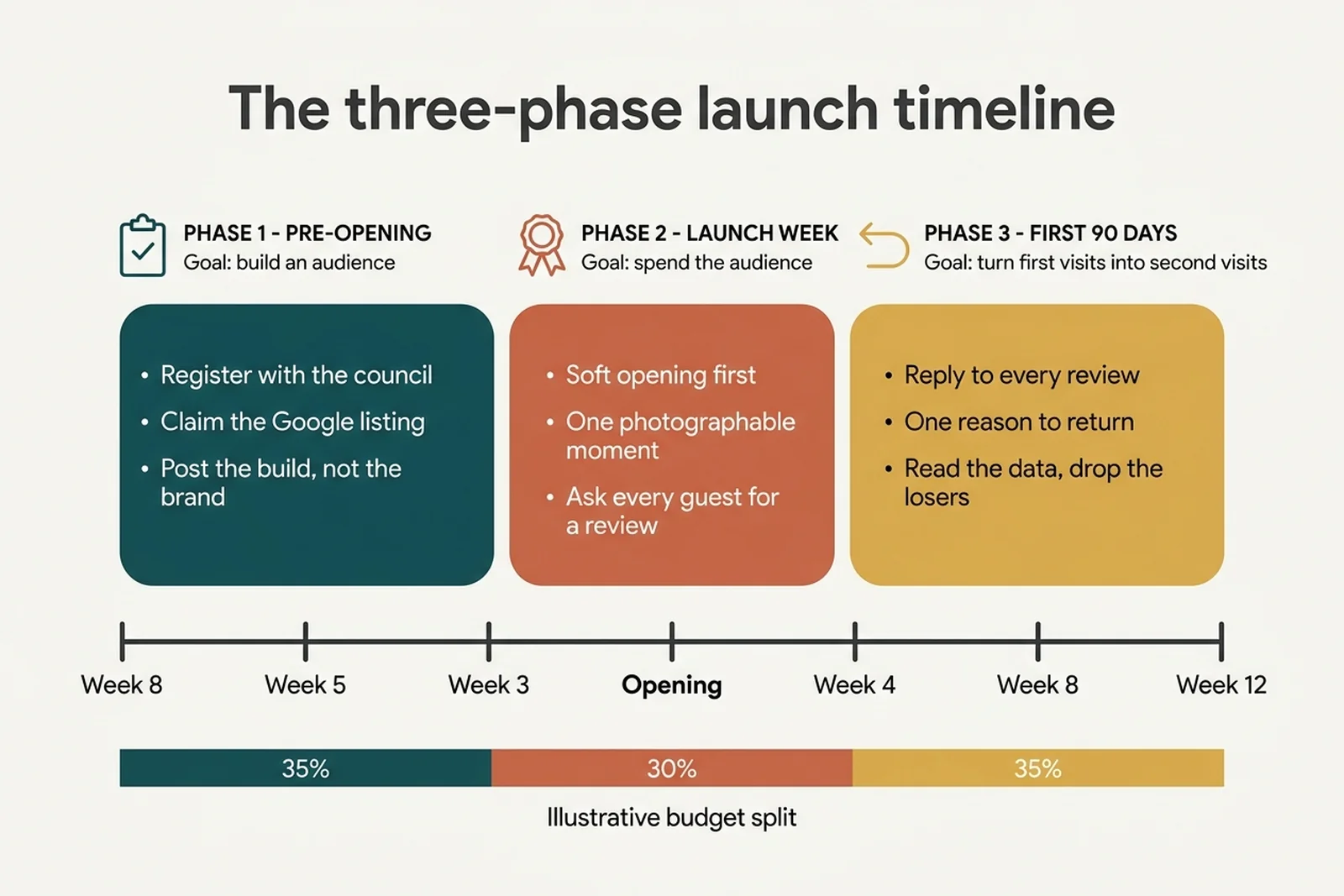
Diagram showing the 3-phase restaurant grand opening marketing strategy timeline with key activities across pre-opening, launch week, and post-opening phases
Click to enlarge

The 3-phase grand opening marketing timeline: pre-opening, launch week, and post-opening momentum.

Your Restaurant Grand Opening Marketing Strategy Checklist

Use this restaurant grand opening marketing strategy checklist to track your progress:

  • Google Business Profile claimed and opening date set
  • Website live with email signup form
  • Social media accounts created with consistent branding
  • Press release written and sent to local media
  • Email list building with "founding diners" incentive
  • Soft opening planned (2-3 days before grand opening)
  • Grand opening event guest list curated
  • Professional photographer booked for opening night
  • Review generation system ready (QR codes, table cards)
  • Post-opening content calendar drafted for weeks 2-12
  • Loyalty programme ready to launch in week 2
  • Budget allocated across all three phases (not just the event)

For example, a restaurant owner six weeks out from opening might check off the first three items in week one, then tackle press outreach and influencer lists in week two. Breaking the restaurant grand opening marketing strategy into small weekly tasks prevents the paralysis of doing everything at once.

Ask yourself: If I were a potential customer walking past my restaurant right now, would I know it's opening — and would I care enough to come back?

Key Takeaway

Key Takeaways

  • Structure beats tactics. A mediocre restaurant grand opening marketing strategy executed across 12 weeks outperforms brilliant ideas thrown together the week before opening.
  • Split your budget across three phases, not one event. Pre-opening builds your audience, launch week maximises visibility, post-opening converts visitors into regulars.
  • Start marketing at least 8 weeks before opening. Your social media accounts, email list, and local relationships need time to develop before they can drive results.
  • Post-opening is where businesses are built. The grand opening fills your restaurant once. The next 90 days determine whether it stays full.
  • Review generation starts on day one. The reviews you collect during launch week shape how every future customer discovers you.

Based on our experience working with independent restaurants across the UK, your grand opening doesn't build your restaurant. Your restaurant grand opening marketing strategy builds a business that lasts long after the ribbon is cut.

Every restaurant's situation is different. Consult a local marketing professional if you need advice tailored to your specific concept and market.

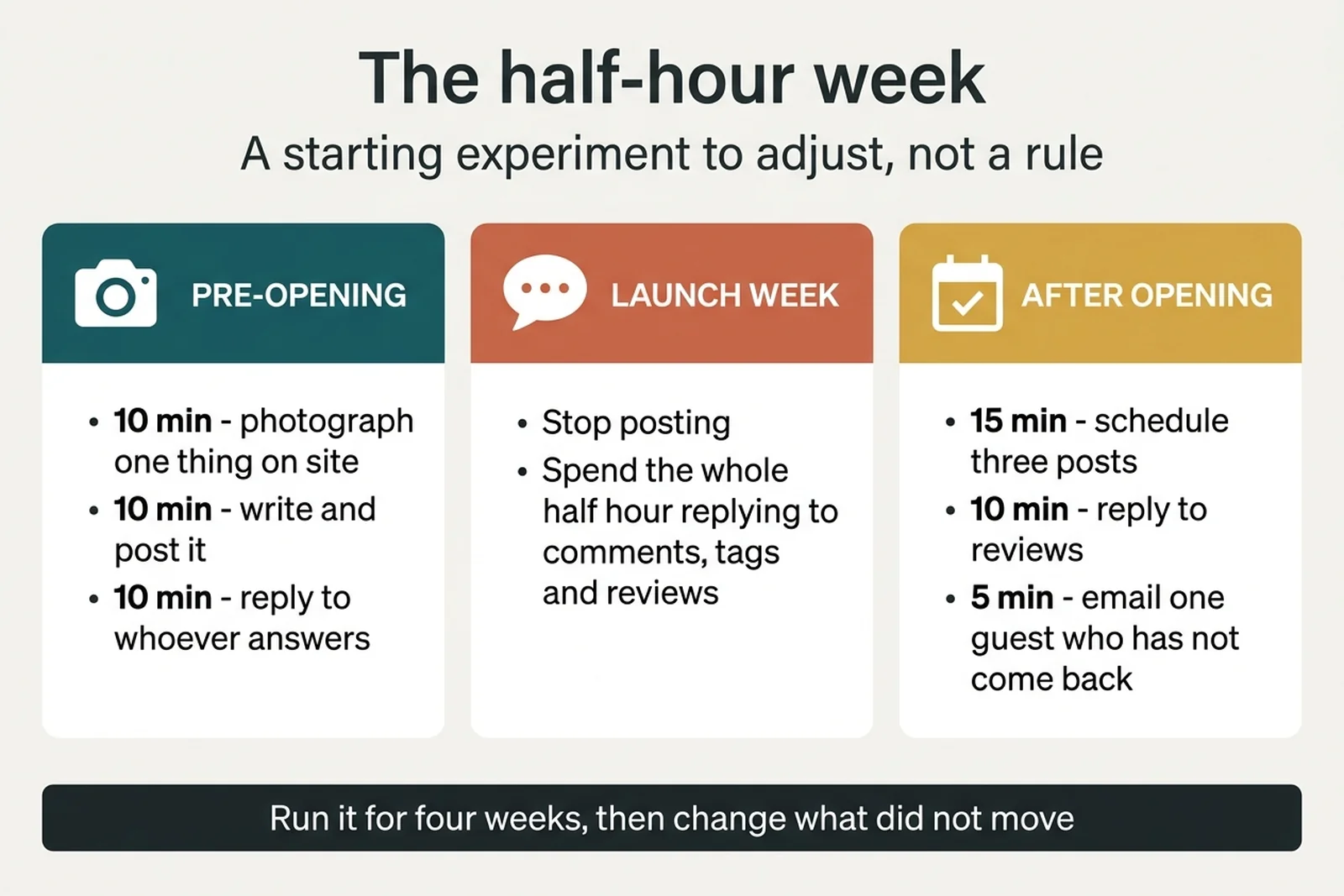
If You Only Have 30 Minutes a Week

If you only have 30 minutes a week, focus on these essentials for each phase:

Start planning your restaurant grand opening marketing strategy

  1. Day 1-2: Claim your Google Business Profile and set up one social media account (Instagram or Facebook — whichever your local area uses most)
  2. Day 3-4: Post one behind-the-scenes photo or video of your space. Write a short "coming soon" caption with your concept and location
  3. Day 5-7: Create a simple email signup (Google Forms works free) and share it on your social media bio. Ask 10 friends to follow and share your page

During launch week, spend your 30 minutes responding to every comment, tag, and review. After opening, spend it scheduling three social media posts for the week ahead.

For example, a cafe owner running a restaurant grand opening marketing strategy on a shoestring might spend Monday morning photographing two dishes, Wednesday lunchtime writing captions and scheduling posts, and Friday evening replying to comments and reviews. That's roughly 30 minutes total — and it keeps the momentum alive.

Consistency in small doses beats ambitious plans you abandon after a fortnight.

Frequently Asked Questions

How far in advance should I start marketing my restaurant grand opening?

A strong restaurant grand opening marketing strategy starts at least 8 weeks before your opening date. The first weeks focus on building your digital presence — Google Business Profile, social media accounts, and a basic website. Weeks 5-3 are for building your audience through content, local outreach, and targeted ads. This lead time ensures you have an engaged following by the time you announce your launch event.

How much should a UK restaurant spend on grand opening marketing?

Industry benchmarks suggest allocating 3-6% of projected first-year revenue to marketing, with a heavier weighting during the launch period. The key is spreading this investment across all three phases of your restaurant grand opening marketing strategy rather than spending it all on a single event. See the Budget Allocation Guide above for a full breakdown.

What's the biggest mistake restaurants make with grand opening marketing?

Treating the grand opening as the entire restaurant grand opening marketing strategy rather than one moment within a larger plan. Restaurants that invest everything in a spectacular opening event but have no plan for weeks 2-12 typically see their buzz evaporate within a fortnight. The 3-phase framework solves this by building audience before the event and maintaining momentum after it.

Should I hire a PR agency for my restaurant launch?

As part of your restaurant grand opening marketing strategy, professional PR support can significantly increase media coverage if your budget allows it. A good PR specialist brings existing relationships with food journalists and local media that would take you months to build. However, if budget is tight, you can handle press outreach yourself by writing a clear press release and personally emailing local food writers and bloggers with your story and high-quality photos.

How do I keep momentum going after the grand opening?

Any effective restaurant grand opening marketing strategy dedicates weeks 2-12 specifically to post-opening momentum. Focus on three priorities: generating and responding to Google reviews, establishing a regular content calendar, and launching a loyalty programme that gives opening-week guests a reason to return within 30 days. Local partnerships and hosted events create ongoing marketing moments beyond your own content.

Weekly Action

This week, do one thing from your current phase:

  1. Pre-opening? Claim your Google Business Profile and post one behind-the-scenes photo
  2. Launch week? Respond to every comment, review, and tag within 24 hours
  3. Post-opening? Send a follow-up email to your opening-week guests with a return incentive

Each action takes under 30 minutes and moves your restaurant grand opening marketing strategy forward.

Planning your restaurant launch? Explore our complete restaurant grand opening marketing hub for guides on every stage — from pre-opening buzz and soft launches to opening-day promotion and your first 30 days of trading.

For independent restaurants, cafes, and hospitality venues

Need help with your restaurant marketing?

We help UK restaurants turn social media into bookings, not busywork.

Get in Touch

About the Author

Local Brand Hub

Empowering UK Businesses

Local Brand Hub provides comprehensive business management tools designed specifically for UK local businesses to streamline operations, automate marketing, and grow revenue.

More articles